Past event
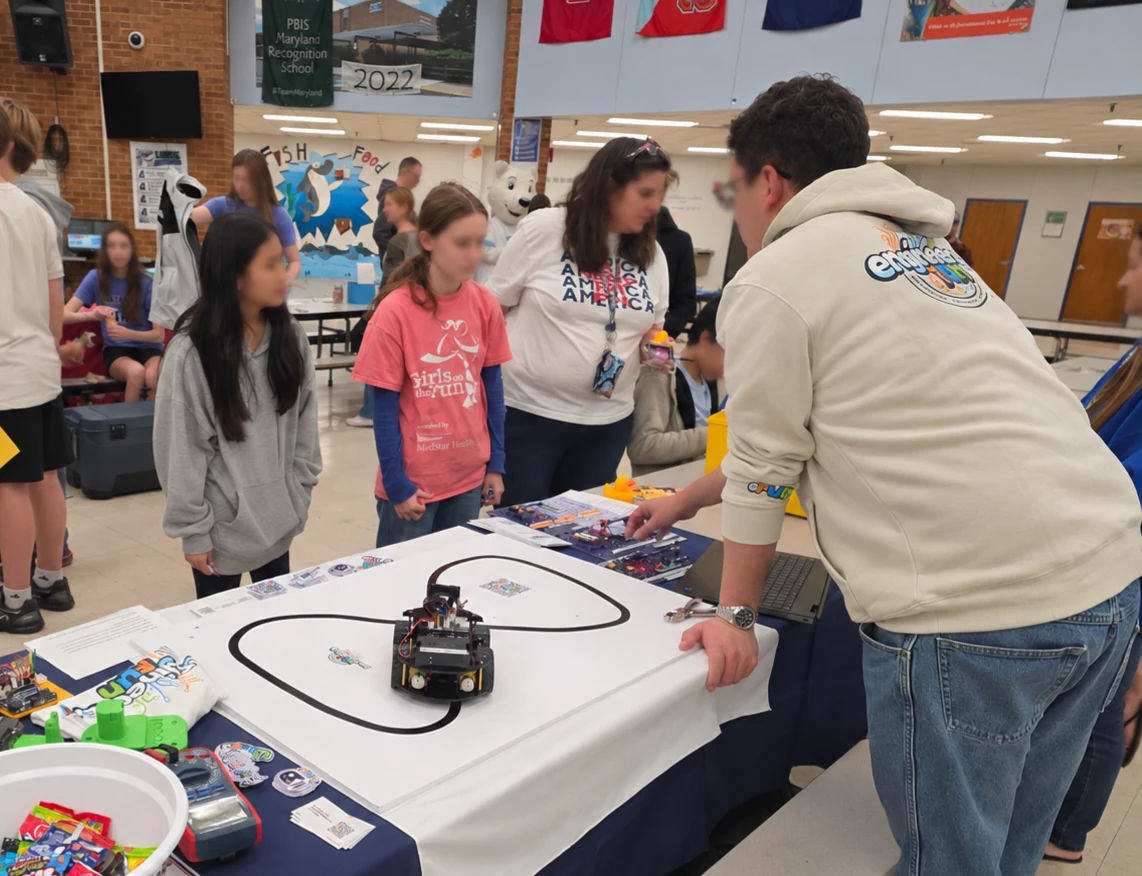
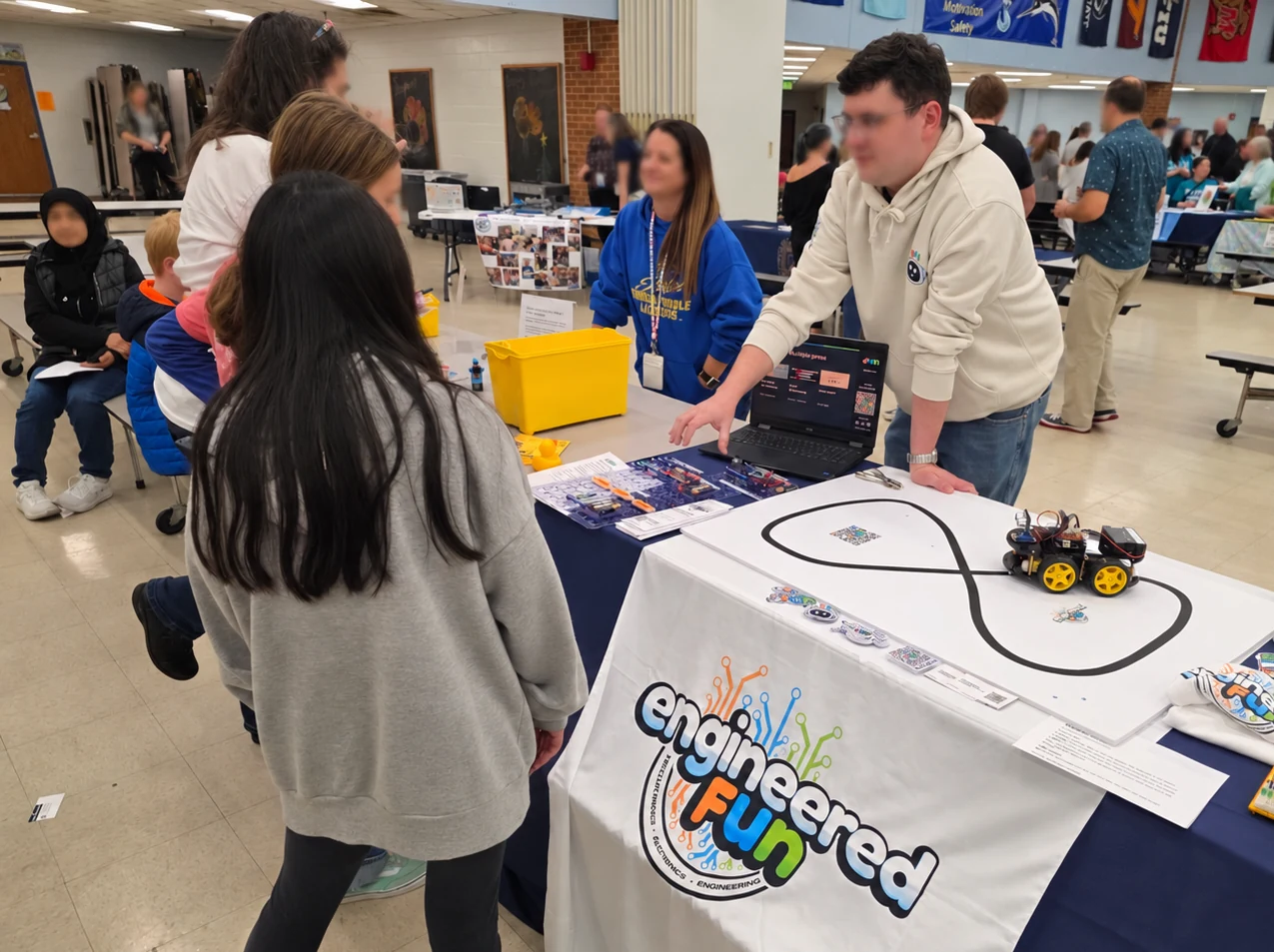
Severn River Middle School College & Career Night
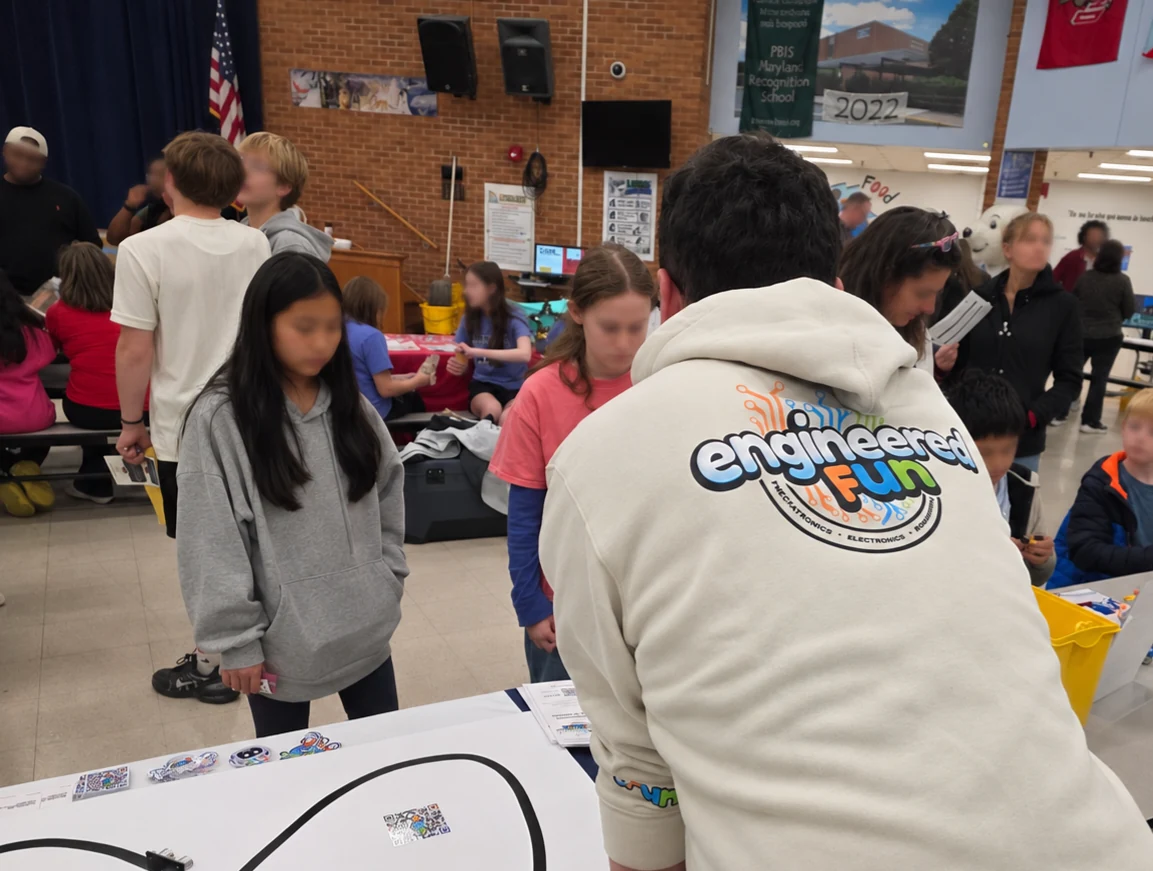
Students and families met engineers and explored robotics and electronics at the eFun table.
Explore school programs
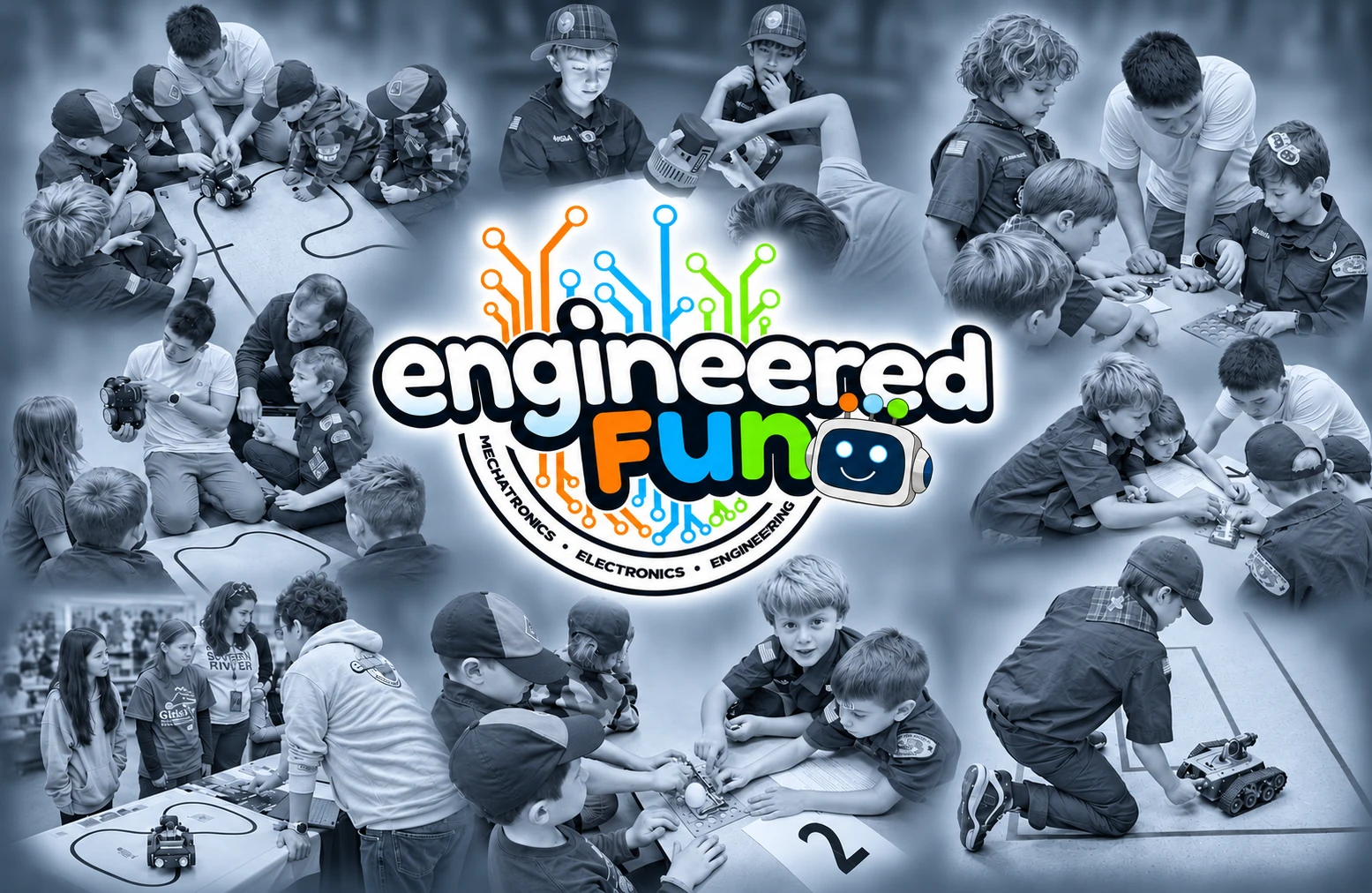
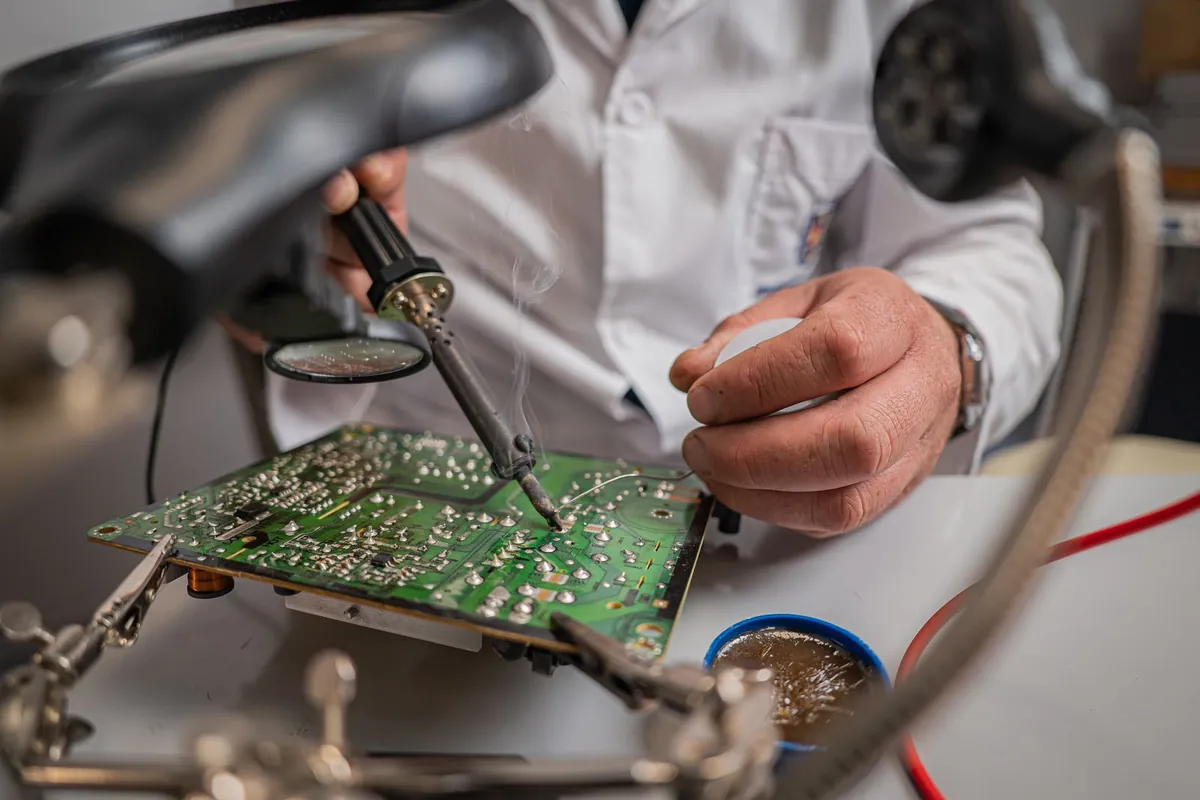
Ever wonder how automatic doors or roadside speed signs work? Students in grades K–12 explore the answers through circuits, robots, and code.
Hands-on STEM in Anne Arundel County, Maryland and nearby areas.
Students and families met engineers and explored robotics and electronics at the eFun table.
Explore school programs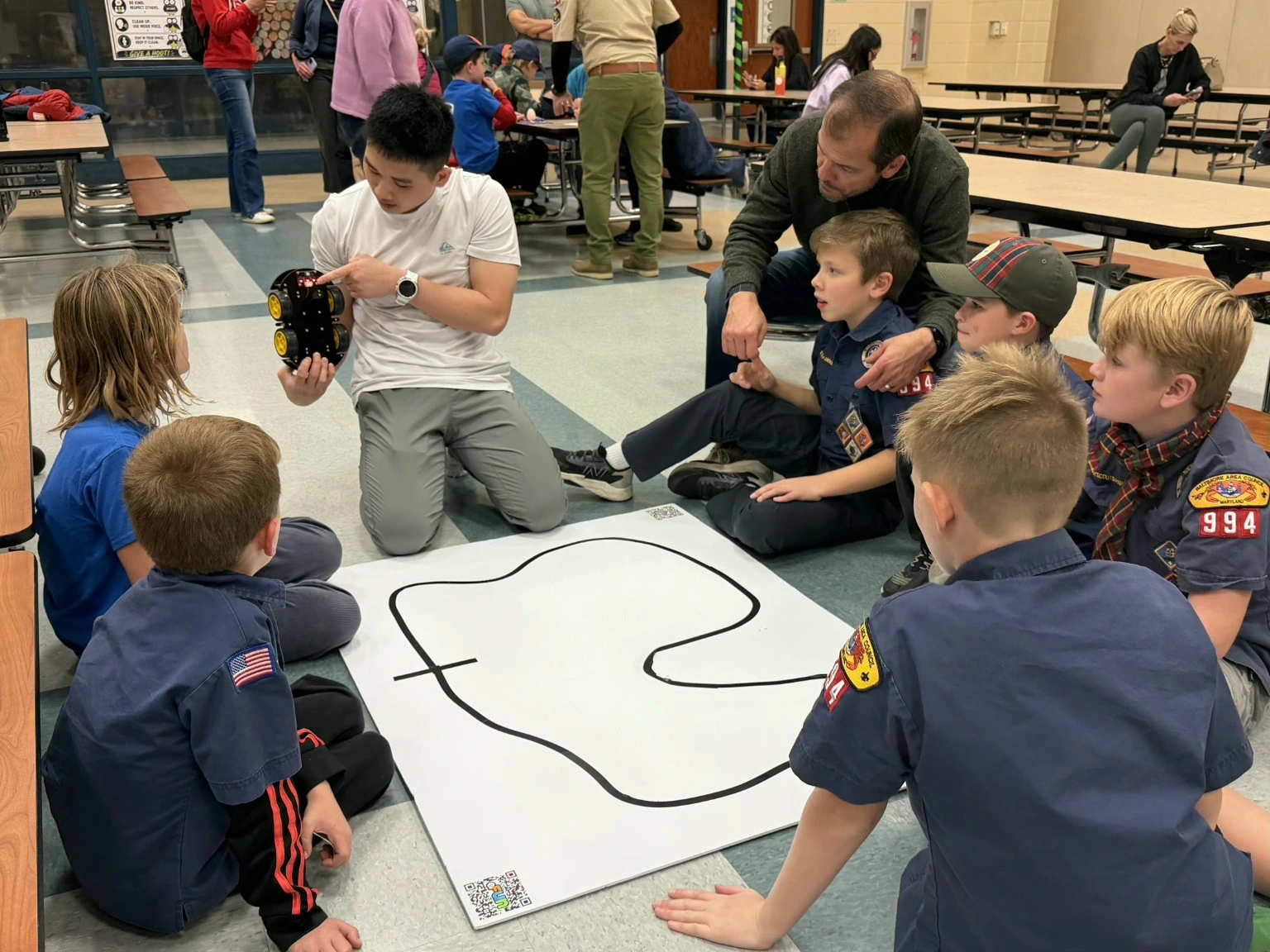
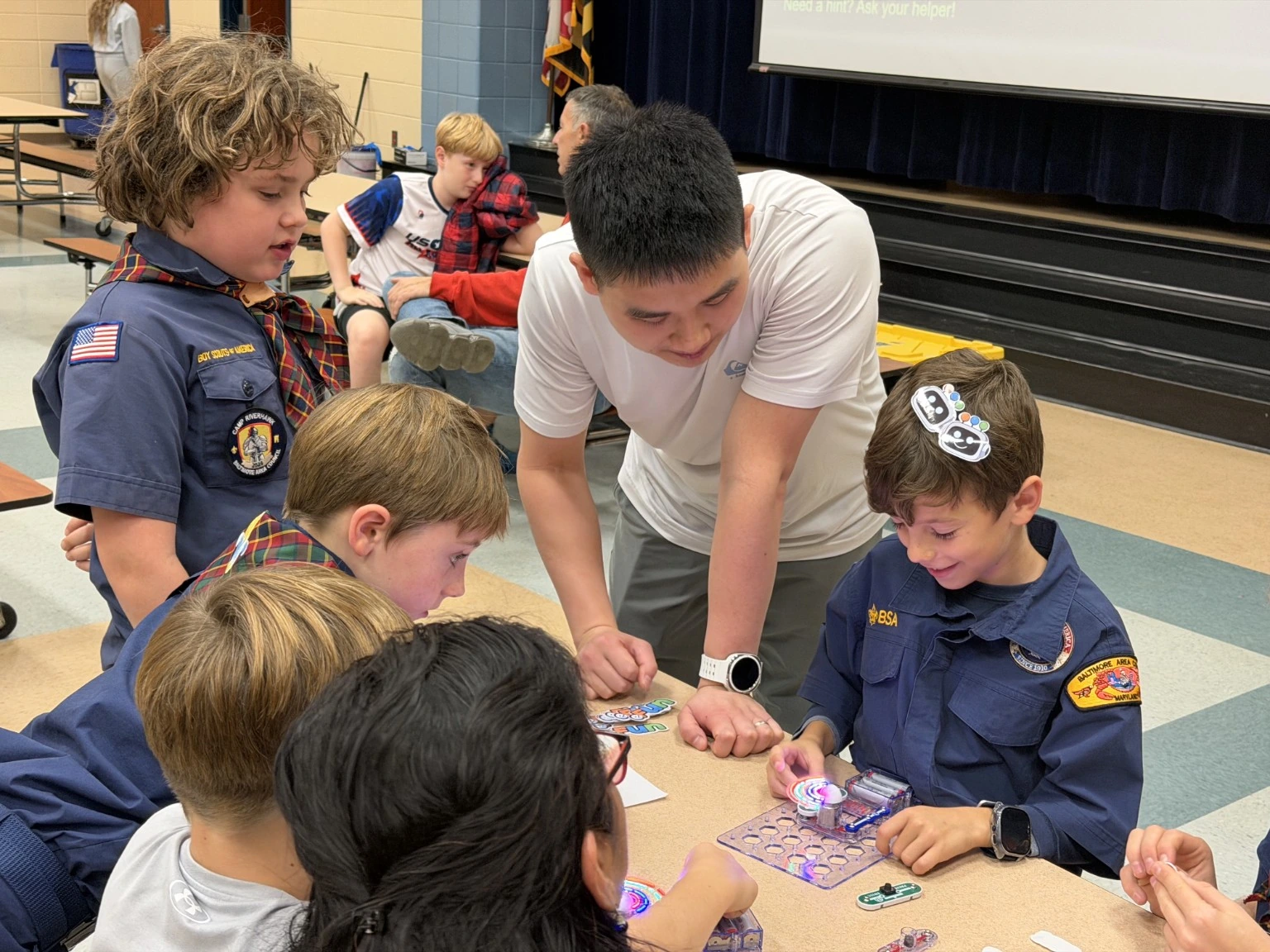
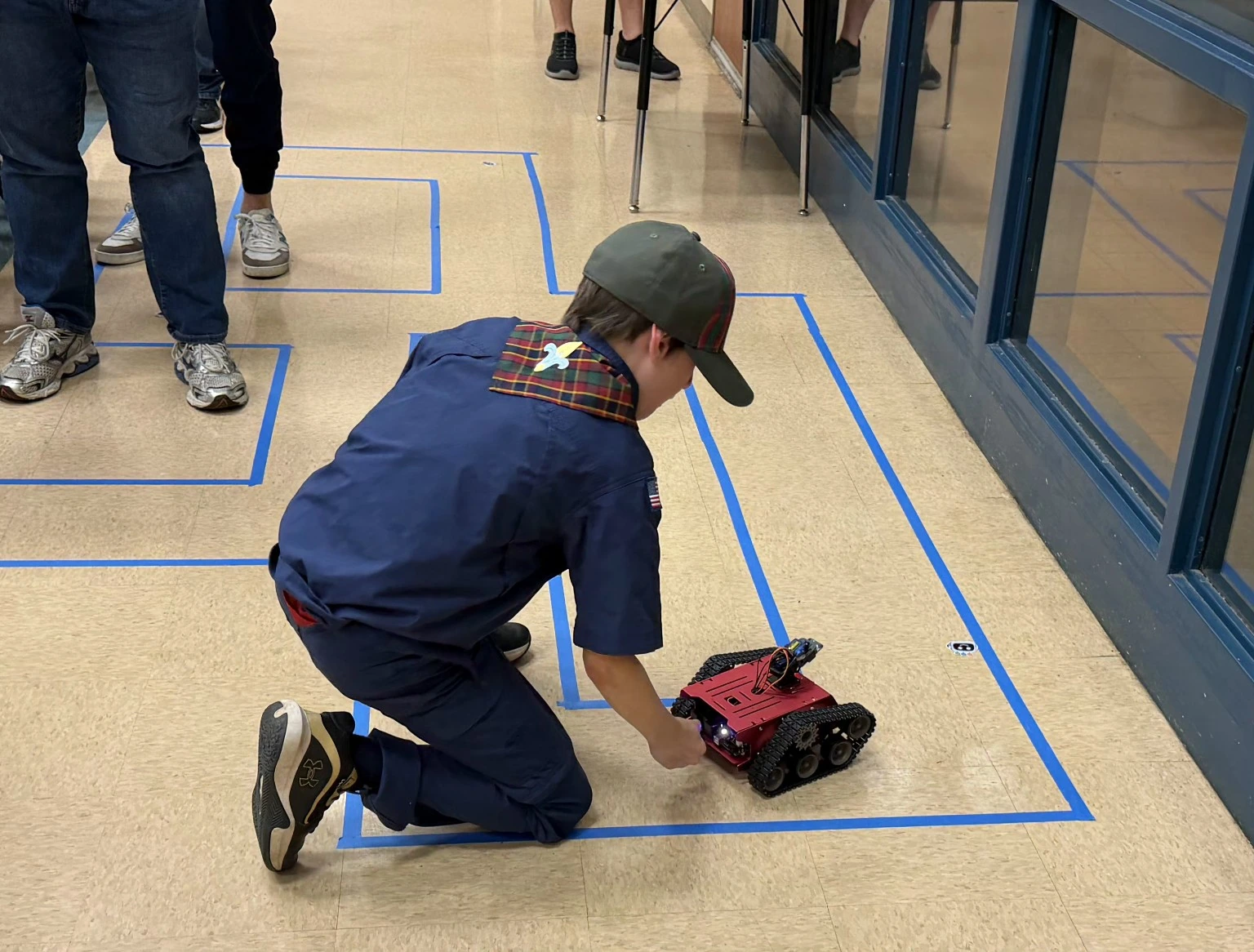
Scouts tested circuits and tried a line-following robot at hands-on stations.
Explore STEM Adventure Events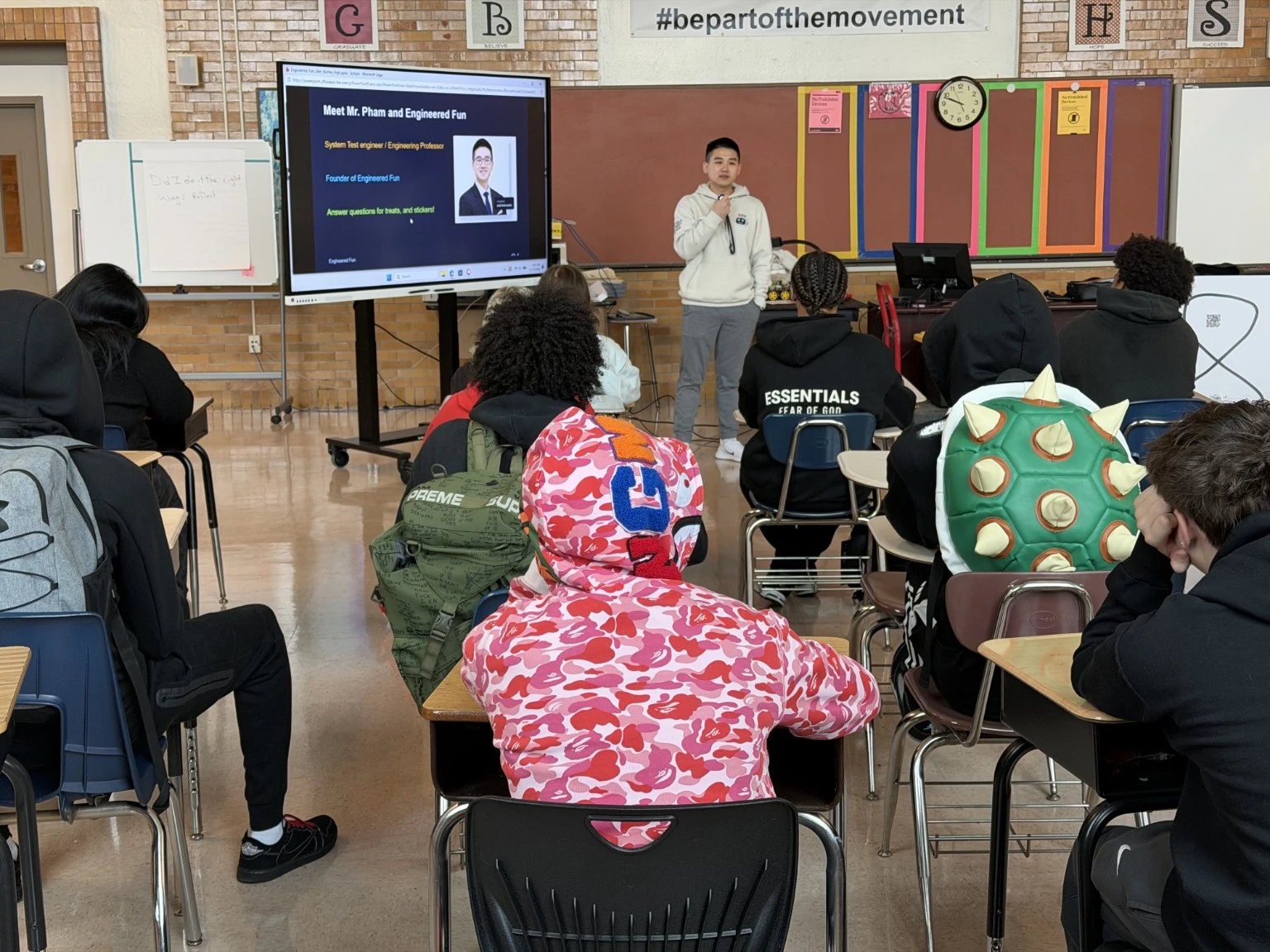
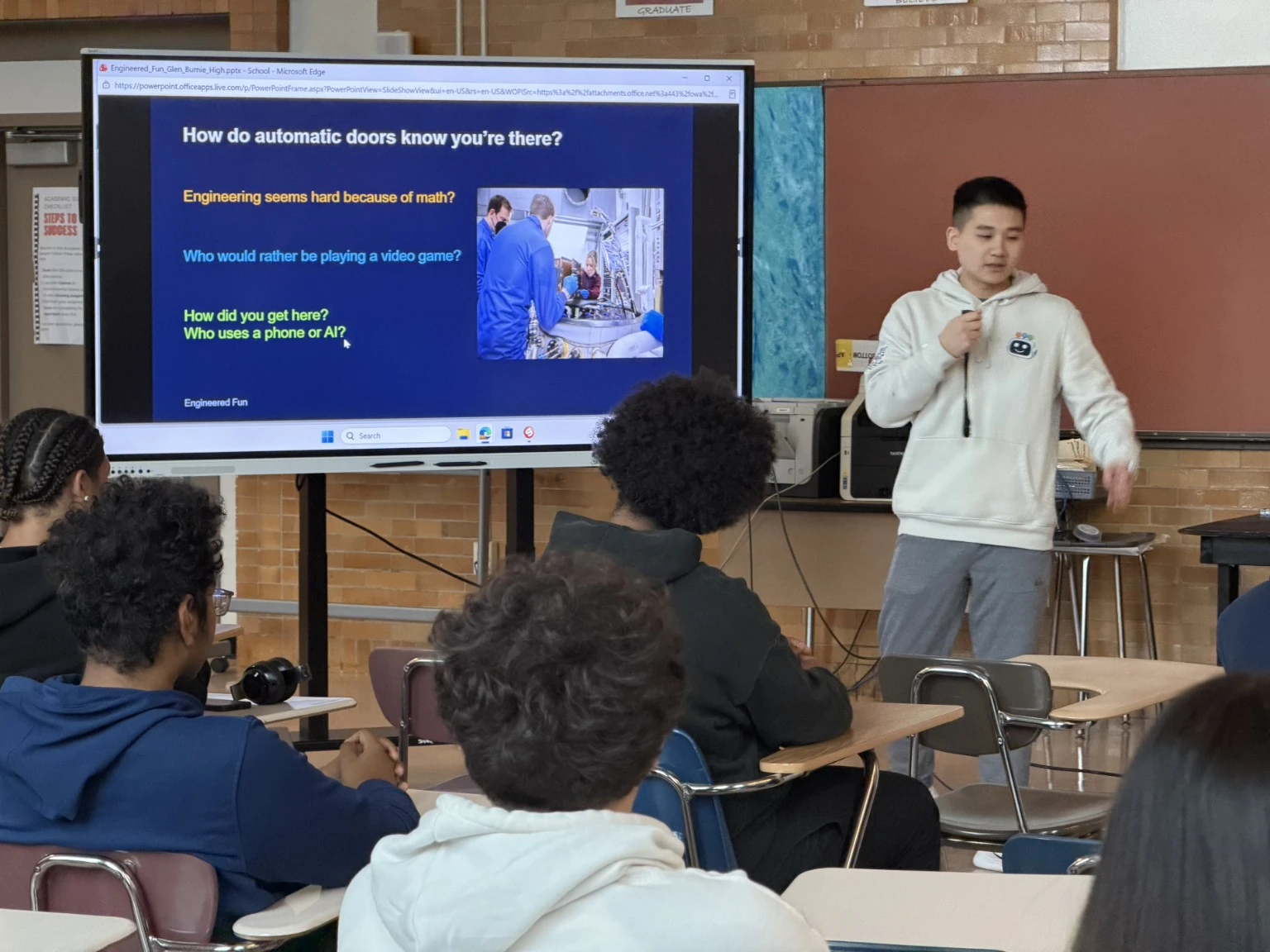
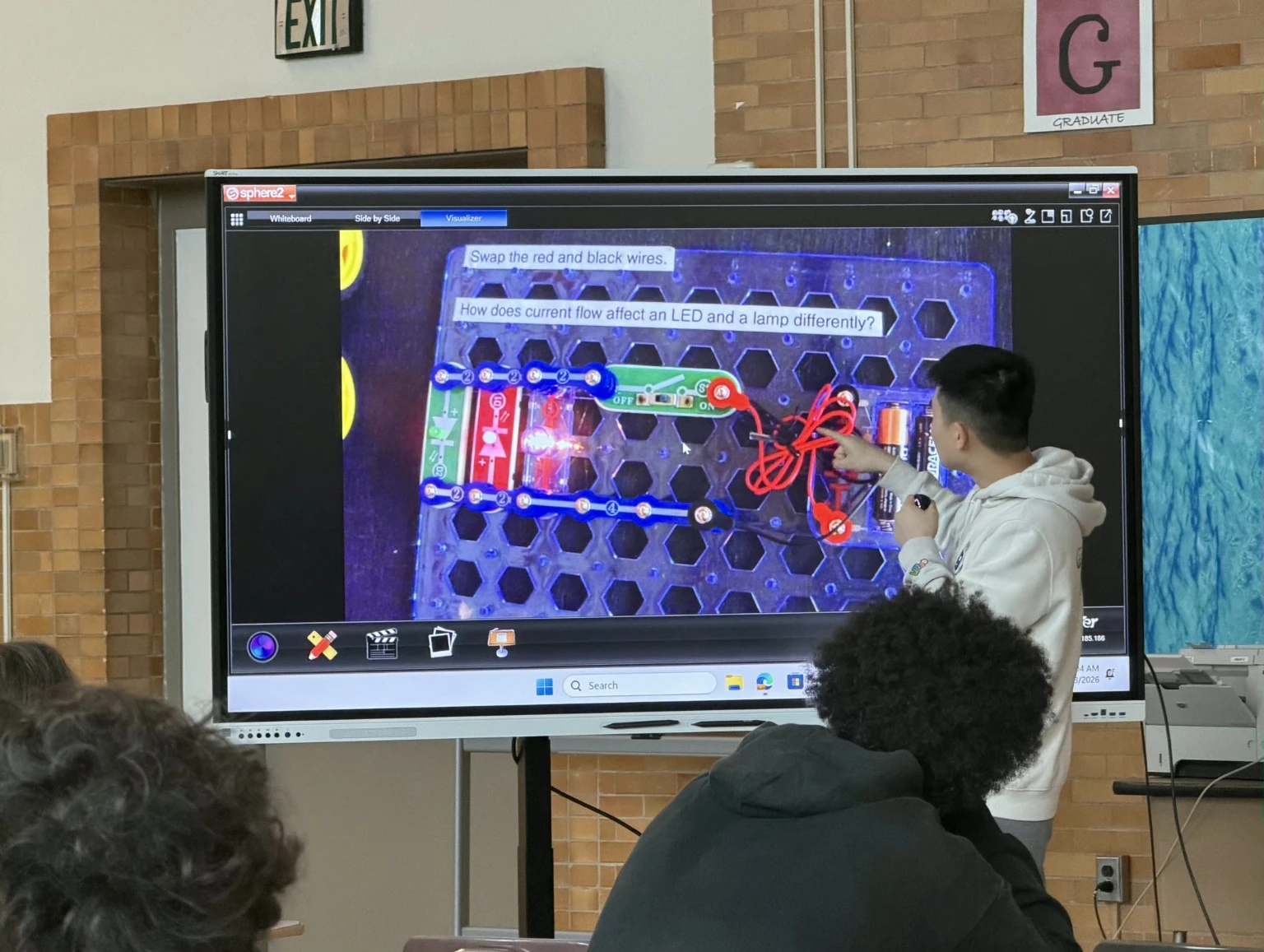
About 150 students explored engineering through robot and circuit demonstrations.
Explore school programs
Family STEM Night at Walter S. Mills-Parole Elementary School.
School website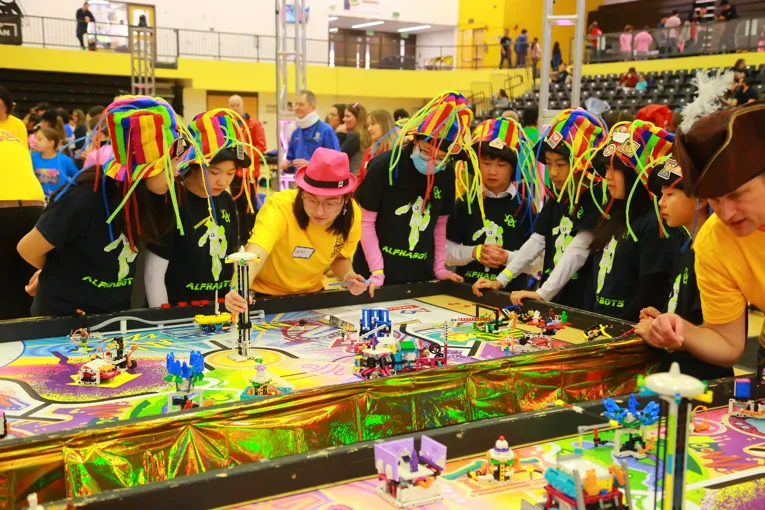
FIRST LEGO League qualifier at Anne Arundel Community College
Tournament information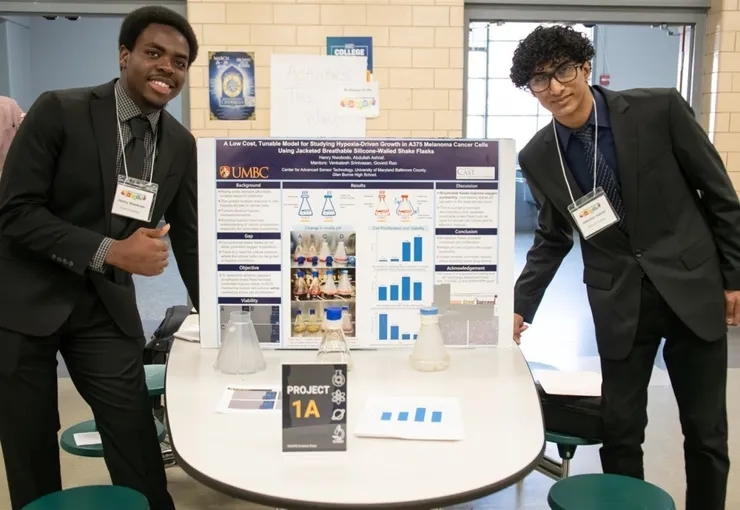
Explore engineering demos with Engineered Fun.
Expo information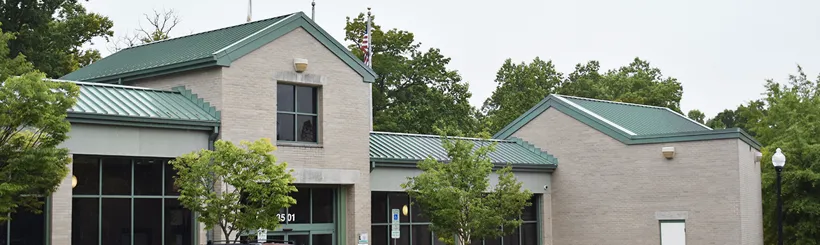
Maryland City at Russett Library · Ages 6–10 Open to public
Library event details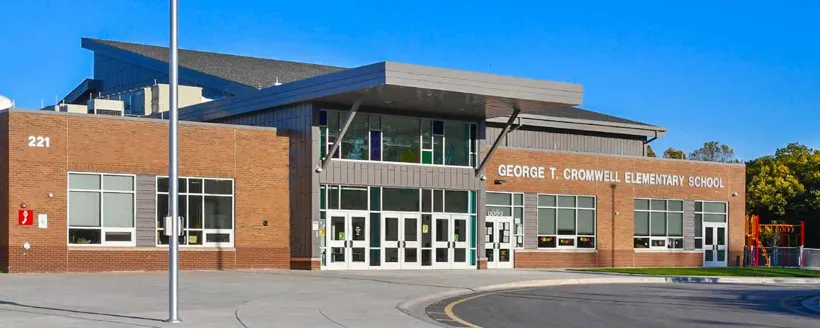
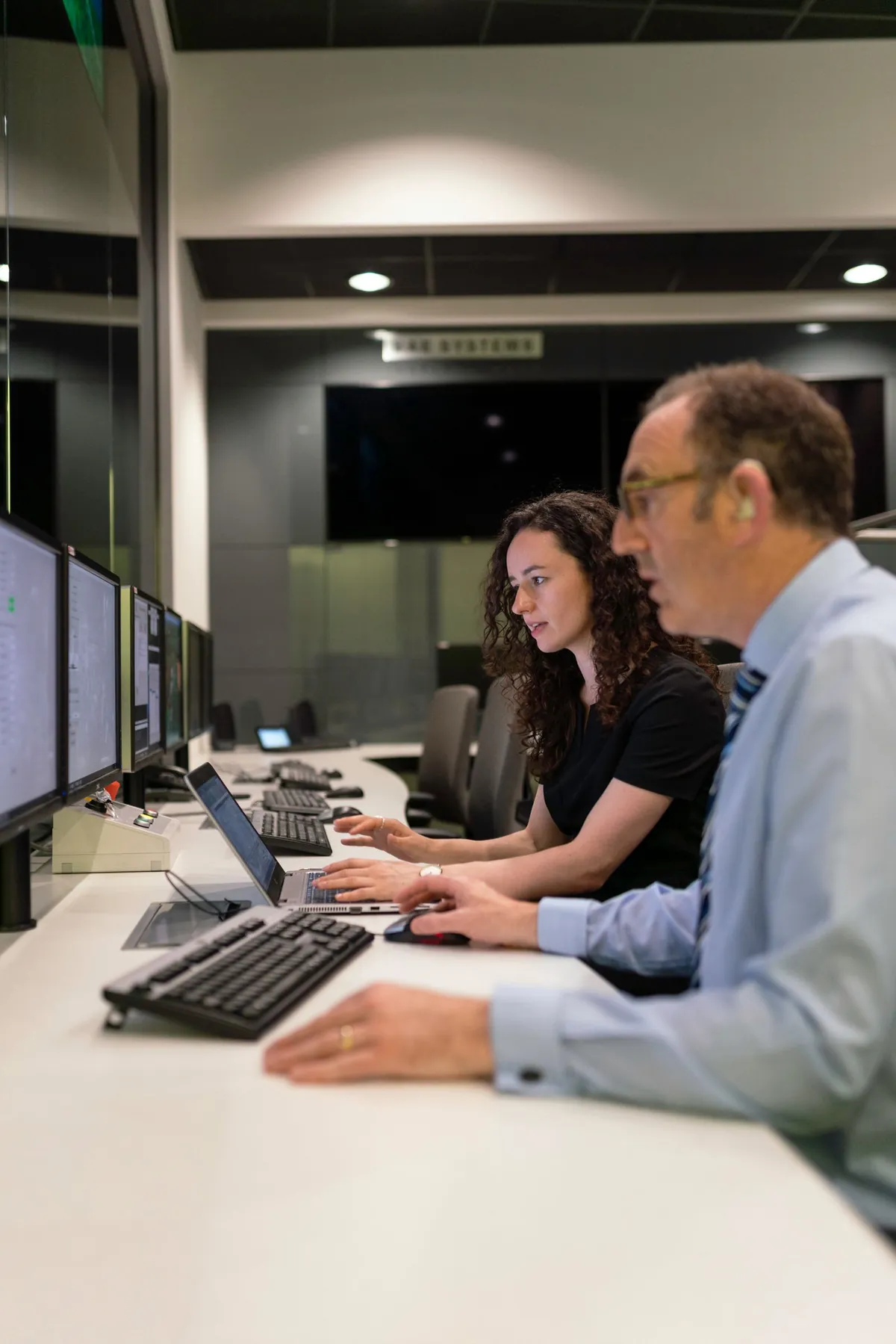
Tam Pham will speak with students about working as an engineer.
School websiteChoose your build
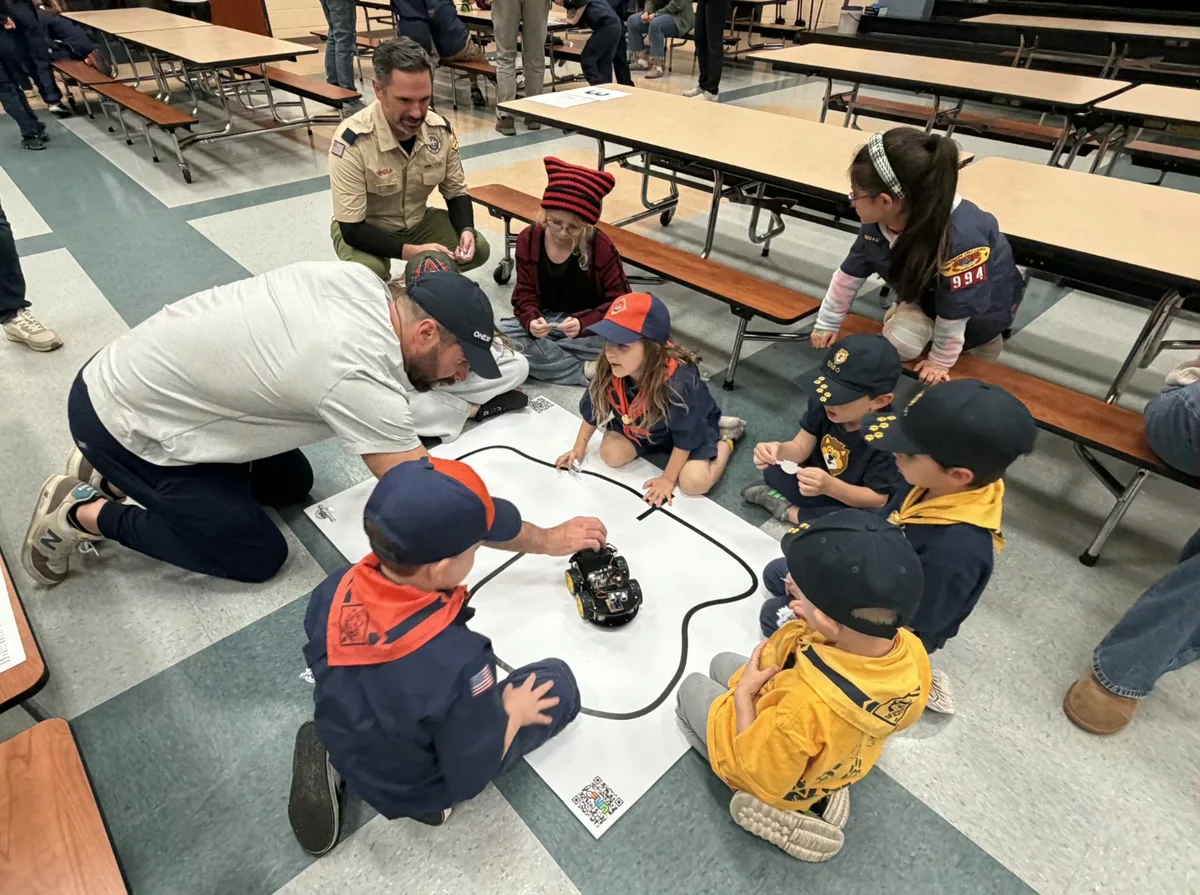
For Scout packs, youth groups, and families. Small groups rotate through hands-on activity stations exploring circuits, robotics, and Arduino demonstrations.
Held at your school or community venue. Tell us your group’s ages, size, and preferred date so we can plan the activities and schedule together.
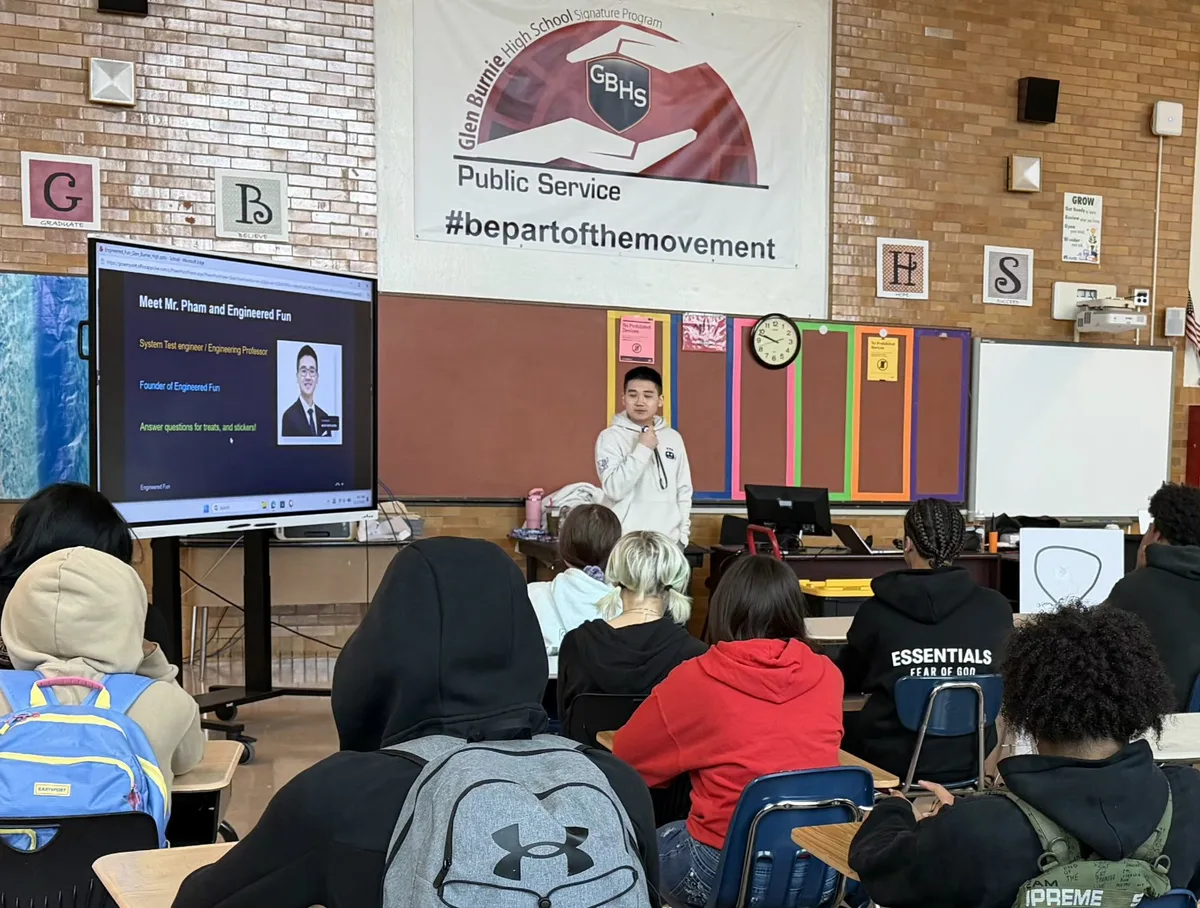
For elementary, middle, and high schools. Class-by-class sessions during the school day combine engineering demonstrations, hands-on exploration, and career Q&A with a real engineer.
Held at your school. Tell us the grade levels, number of classes, and available session times so we can tailor the activities to your students.
Instructor-planned engineering projects with STEM kits provided for use during class. Activities adapt to students’ interests and abilities.
Sibling and group discounts available.
Up to six students, grouped by similar ages and skills. Sessions may be at a local library, the instructor’s home, or a student’s home; the location will be confirmed before registration.
Build, test, and improve a project across the series, then share the result.
Students bring their homework or study materials. Get help understanding concepts and working through assignments.
Sibling and group discounts available.
Small-group support for up to six students, grouped by similar ages, skills, and learning goals. Work through students’ own STEM assignments and study materials with guided explanations and practice.
Tell us the subject, grade level, and what students would like help with. We’ll confirm the schedule and location before registration.
Project examples
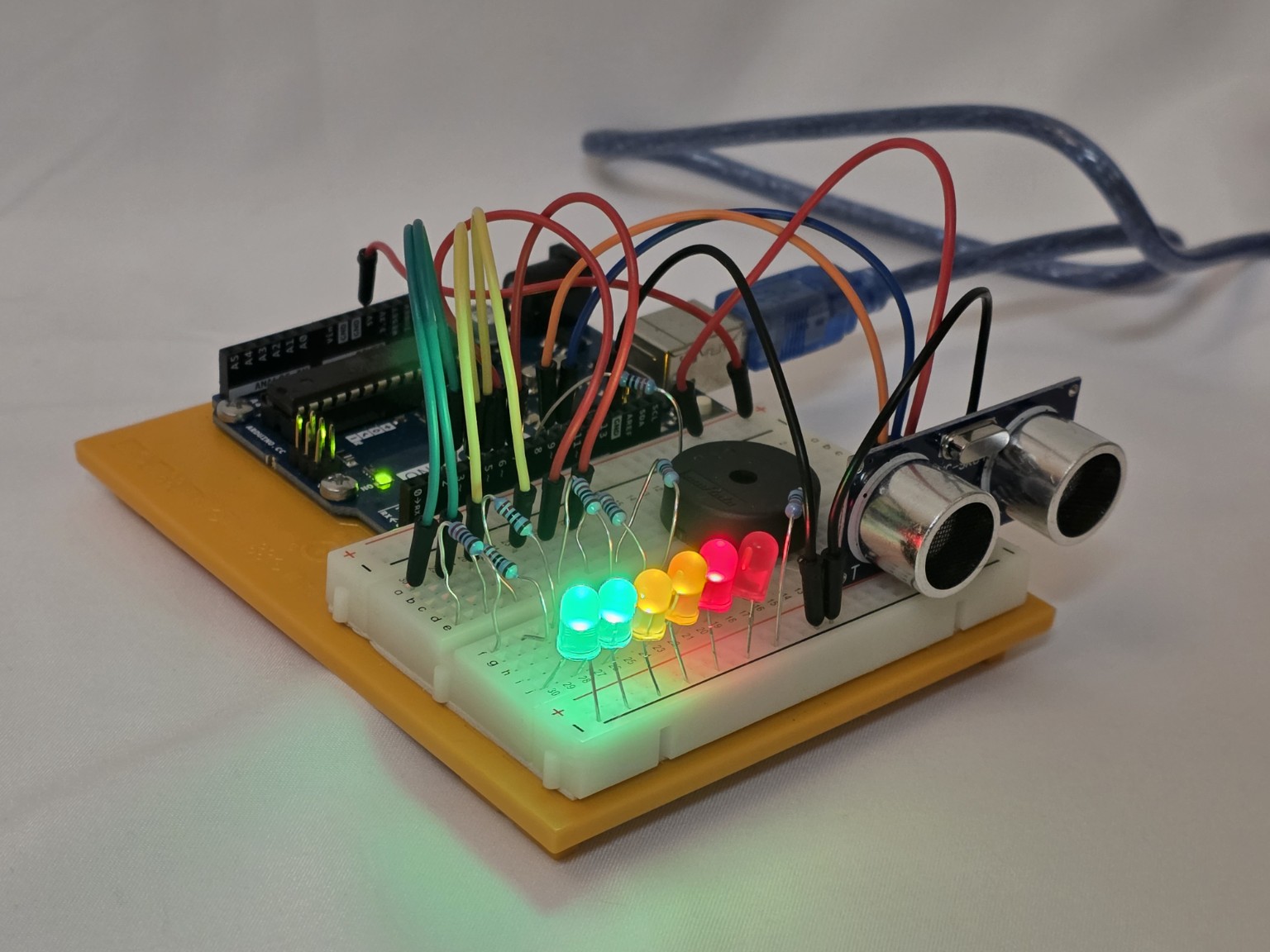 Arduino · Sensors + electronics
Explore how an ultrasonic sensor measures distance and controls lights and a buzzer.
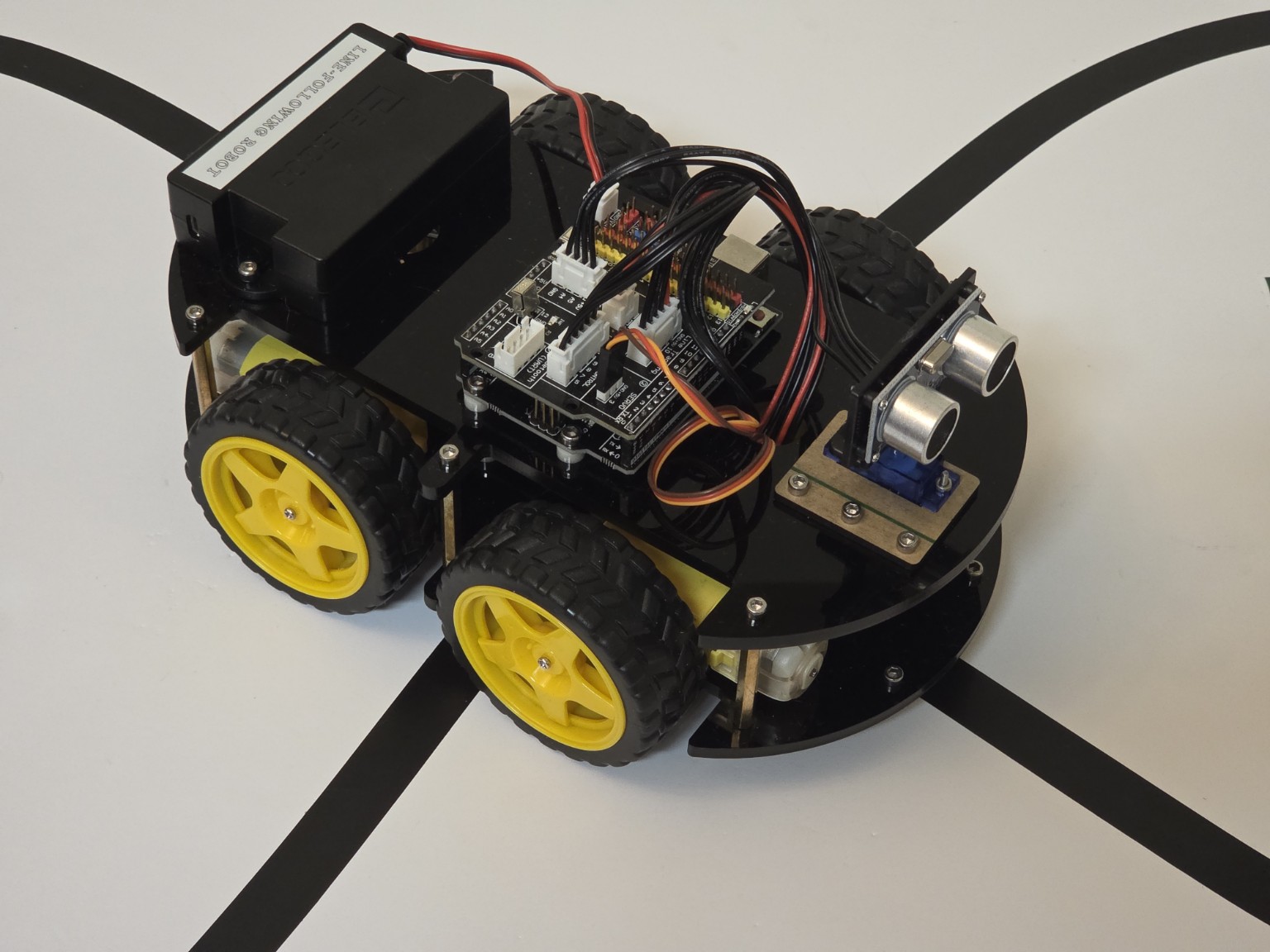 ELEGOO Robot · Sensors + motion
See how a robot senses a marked path and adjusts its motors to follow it.
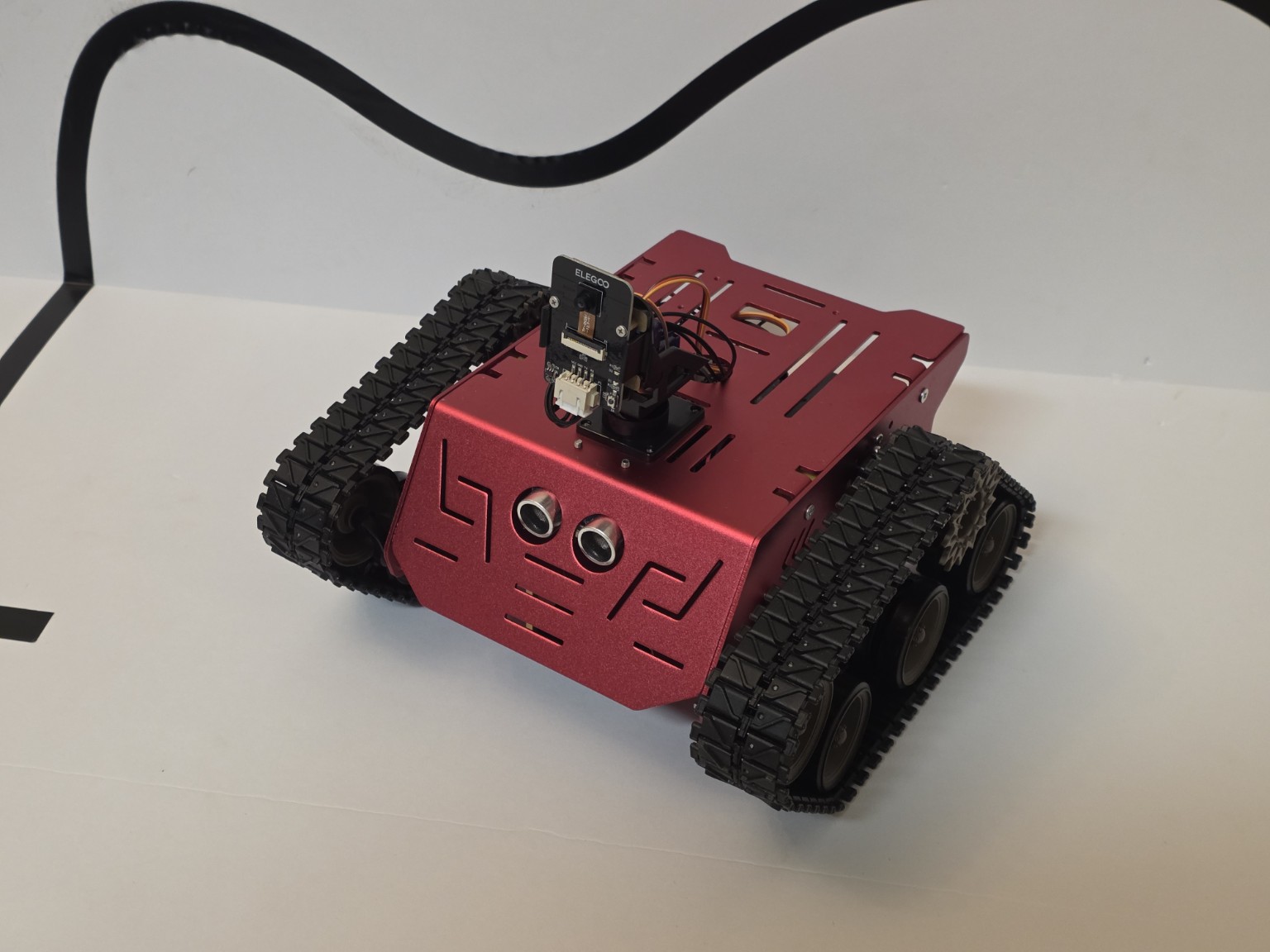 ELEGOO Conqueror · Mechanics + control
Drive a tracked robot through a course and explore movement, steering, and control.
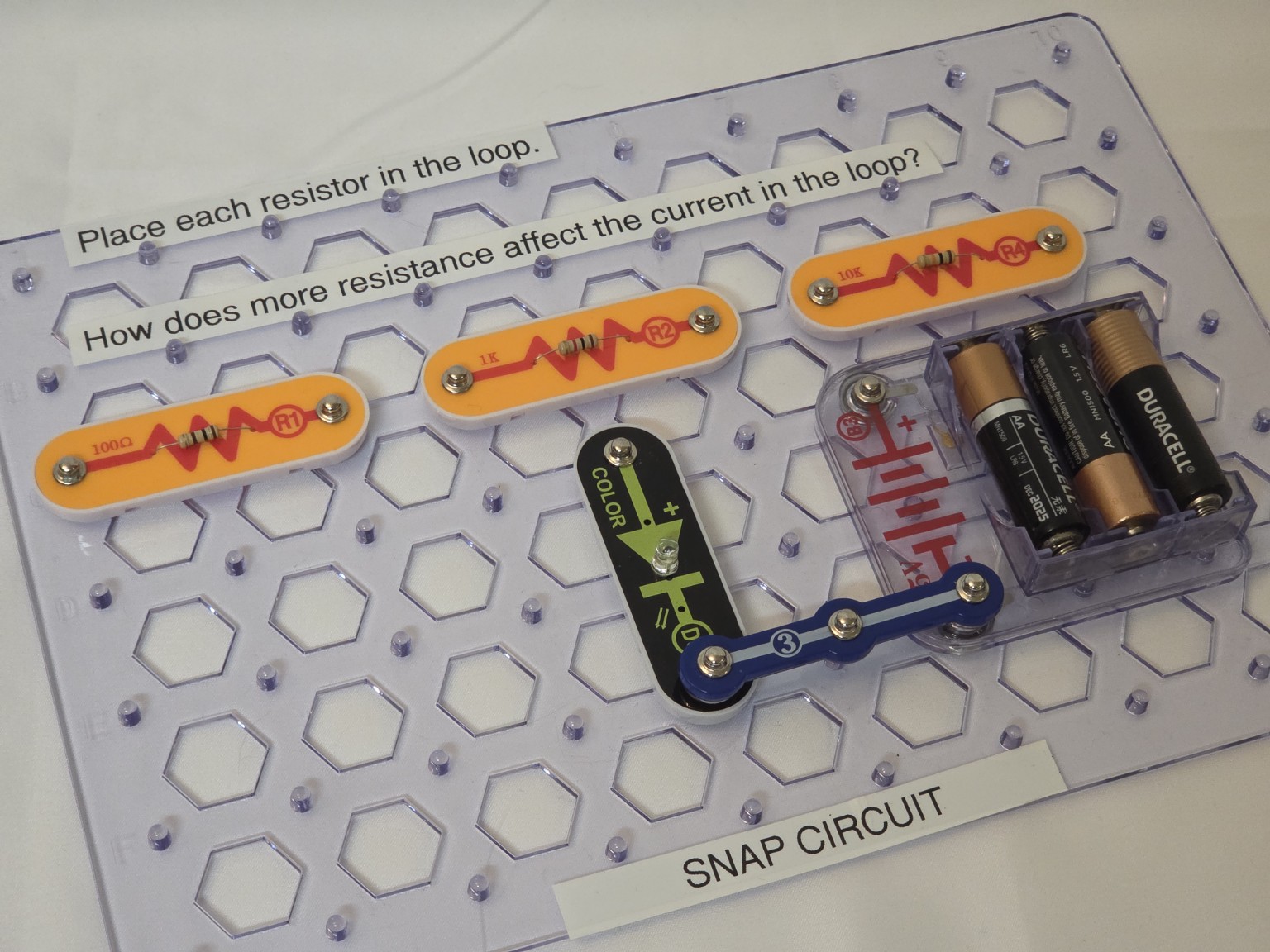 Snap Circuits · Resistance + light
Compare resistors and see how resistance changes an LED’s brightness.
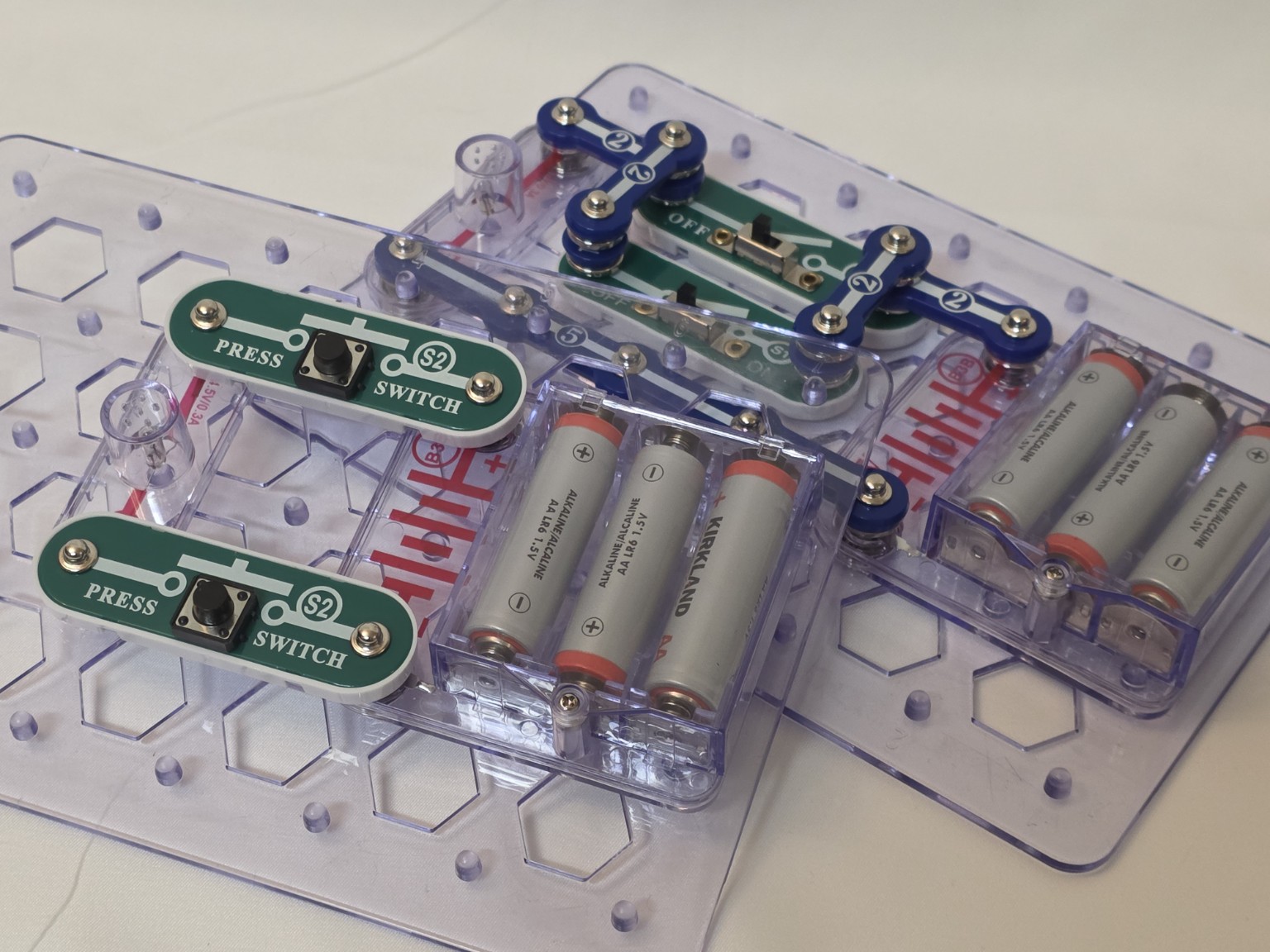 Snap Circuits · Switches + logic
Use switches to explore AND and OR logic and how circuits make simple decisions.
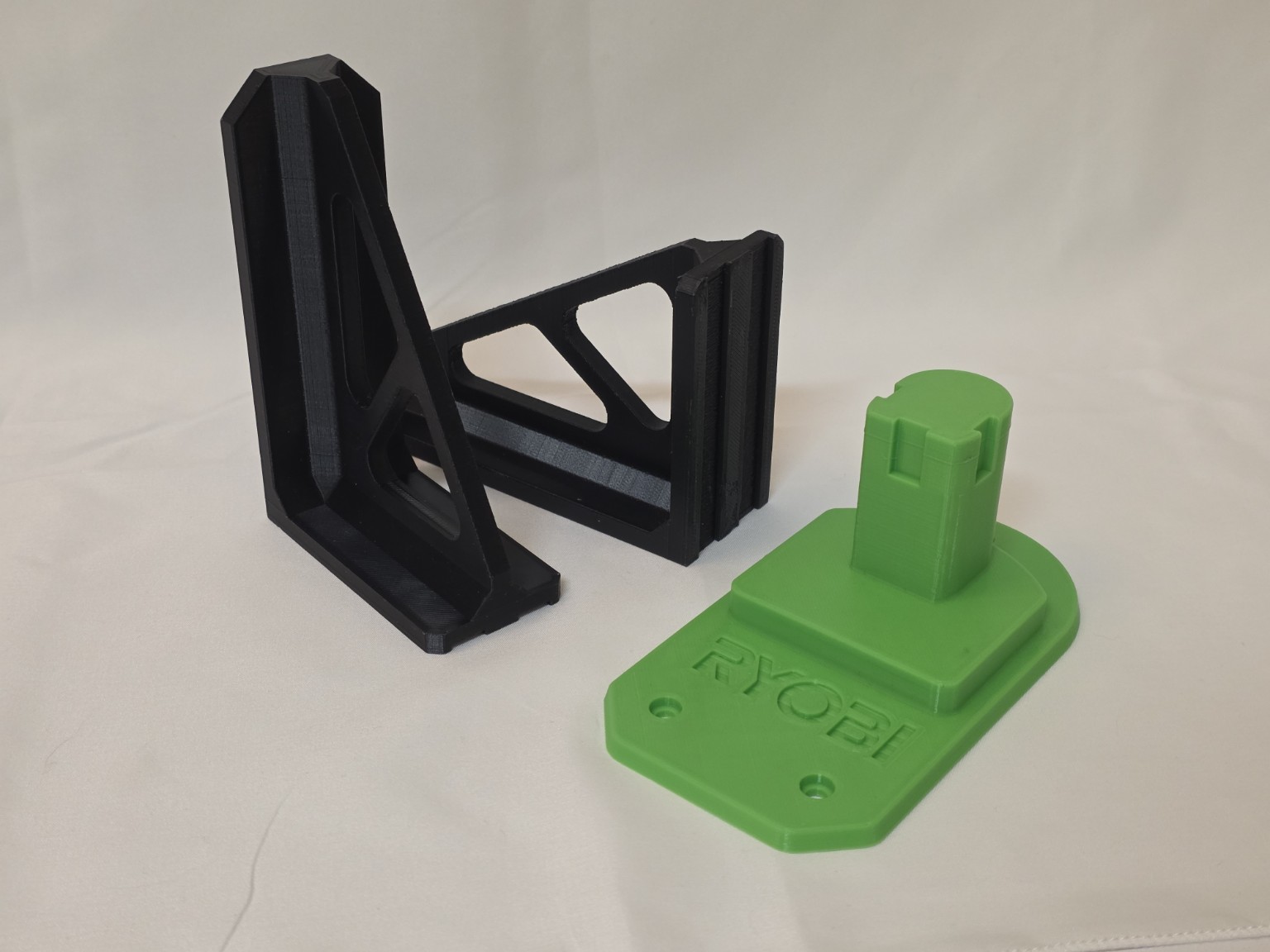 CAD · Design + 3D printing
Design a part in CAD, print it in 3D, and test how it fits or works.
Programming & automation

Python-like code · Farm automation
Use Python-like code to automate a farm, then test and improve your instructions.
Real Python · Machines & robots
Use Python to control simulated machines, robots, and drones.
Visual logic · Factory automation
Build factory chains that turn simple shapes into letters and words.
Our classroom toolkit
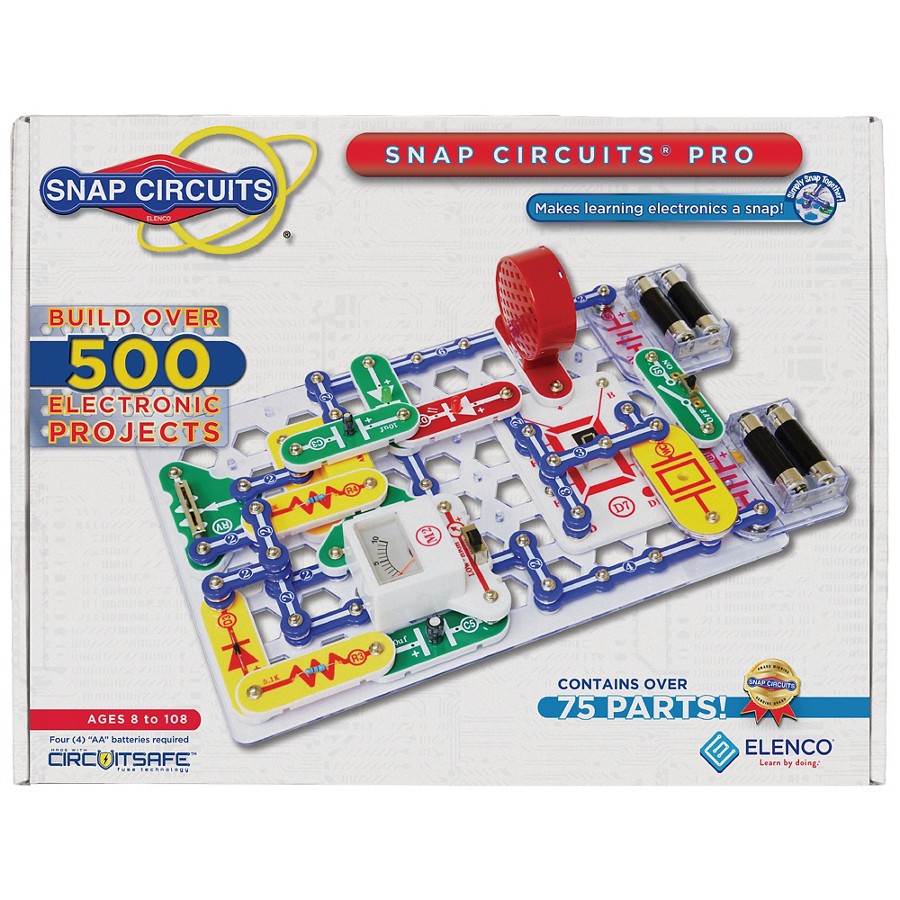 Ages 8+ · Electronics
More than 75 color-coded, snap-together parts support over 500 hands-on electronics projects.
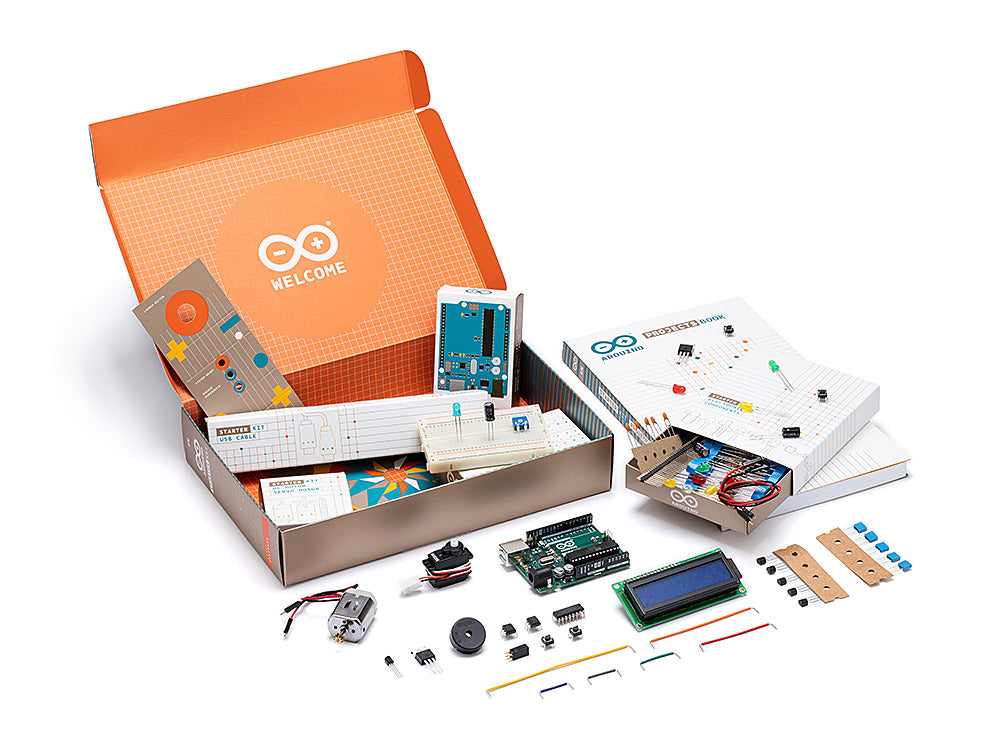 Grades 6–12 · Coding + circuits
A reusable microcontroller platform for reading sensors, controlling outputs, and connecting code to physical systems.
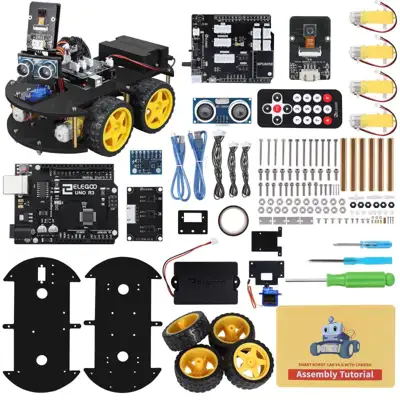 Robotics · Motors + coding
Build and program a wheeled robot while exploring how motors, sensors, and code work together.
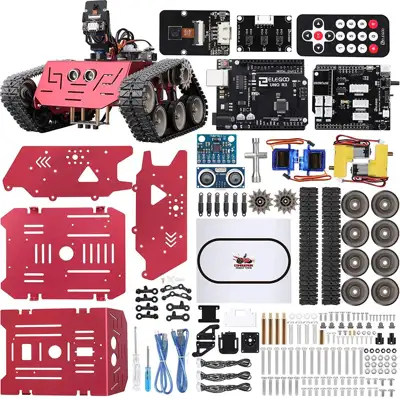 Robotics · Tracks + control
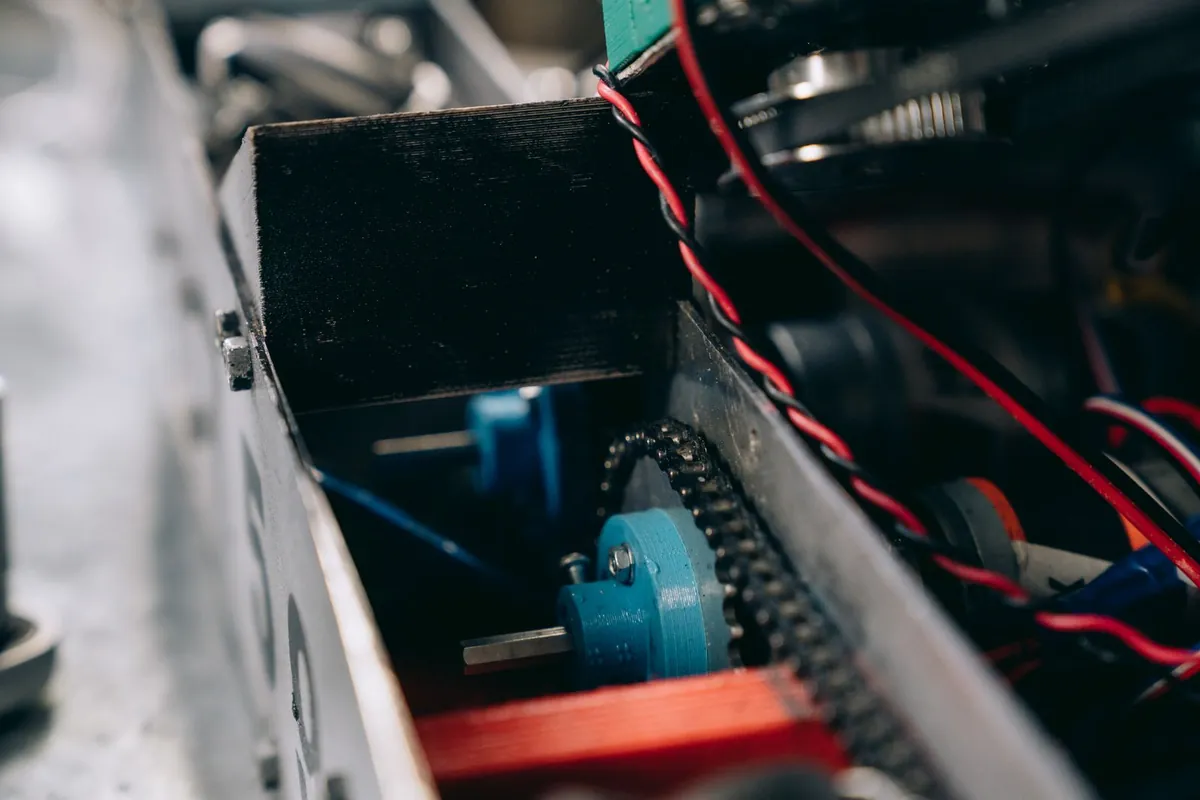
Explore a tracked robot that connects mechanical assembly, electronics, and programming.
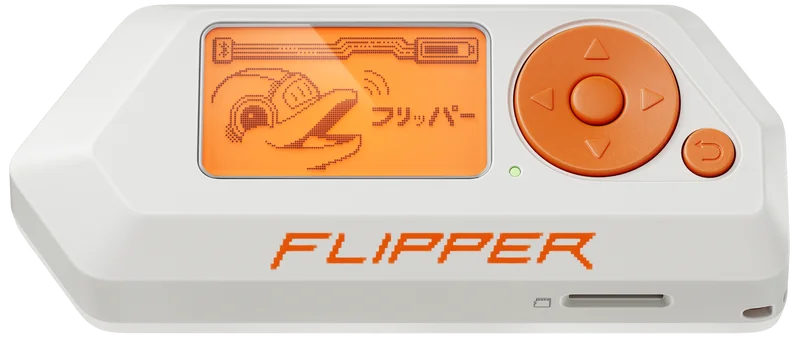 Guided exploration · Signals + electronics
A pocket-sized tool for exploring infrared signals, RFID and NFC tags, and electronics through its GPIO pins.
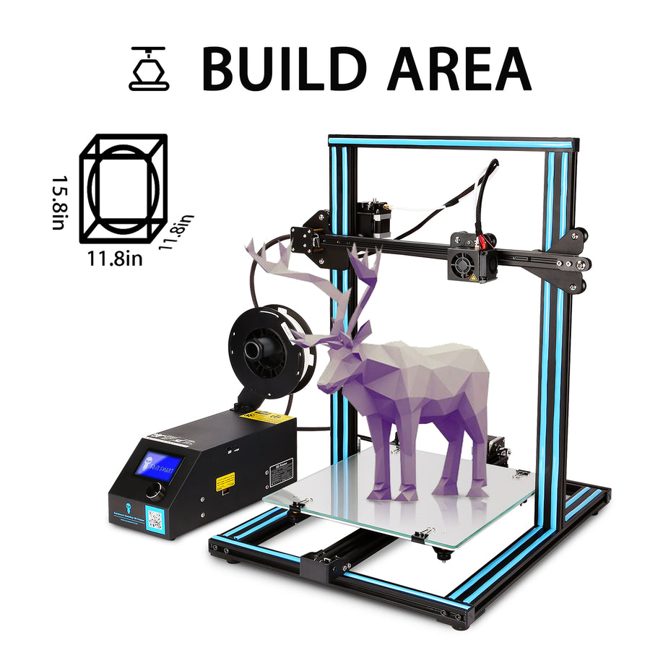 Guided fabrication · CAD + 3D printing
A filament 3D printer for turning CAD designs into physical parts and exploring how design choices affect a finished build.

Meet your instructor
Tam is the founder and instructor of Engineered Fun. He is a System Test Engineer, a substitute teacher, and an adjunct professor of engineering at Anne Arundel Community College.
His professional experience spans defense electronics, semiconductors, automation, and aerospace systems. He holds a Master of Science in Systems Engineering, a Bachelor of Science in Electronic Systems Engineering Technology, and an Associate of Applied Science in Mechatronics.
Tam makes engineering approachable through hands-on projects that help students build, test, and troubleshoot.
An Engineered Fun exclusive
Meet engineers, scientists, and technicians in person for career stories and student Q&A.
Ask about a guest presentation →Explore more
Why STEM matters
Brings moving parts, electronics, and computer programming together to make machines that sense, move, and respond.
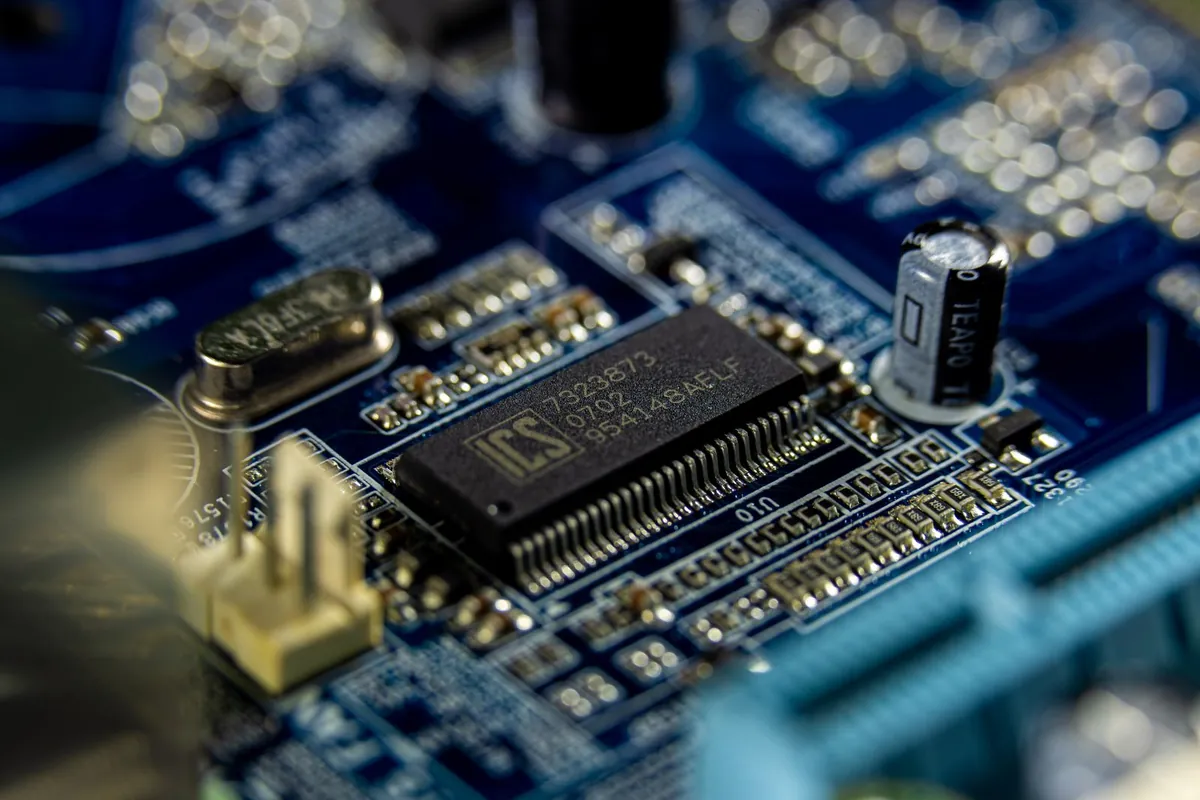
Uses circuits and components, such as sensors, LEDs, and microchips, to detect information, process signals, and control devices.
Uses science, math, and creativity to solve practical problems. Engineers plan, build, test, and improve designs while working within limits such as cost, time, and materials.
Stands for Science, Technology, Engineering, and Mathematics. These subjects work together to help us understand how things work and create new solutions.
Projected STEM job growthFrom 2025–2035, compared with 3.2% for non-STEM occupations.
Median annual STEM wageMore than twice the 2025 median for non-STEM occupations.
Start early, choose later
From classroom to career
Actual national average starting base salaries for Class of 2025 bachelor’s degree graduates:
Average starting salary
Average starting salary
Average starting salary
More than one destination
 01 / Flight
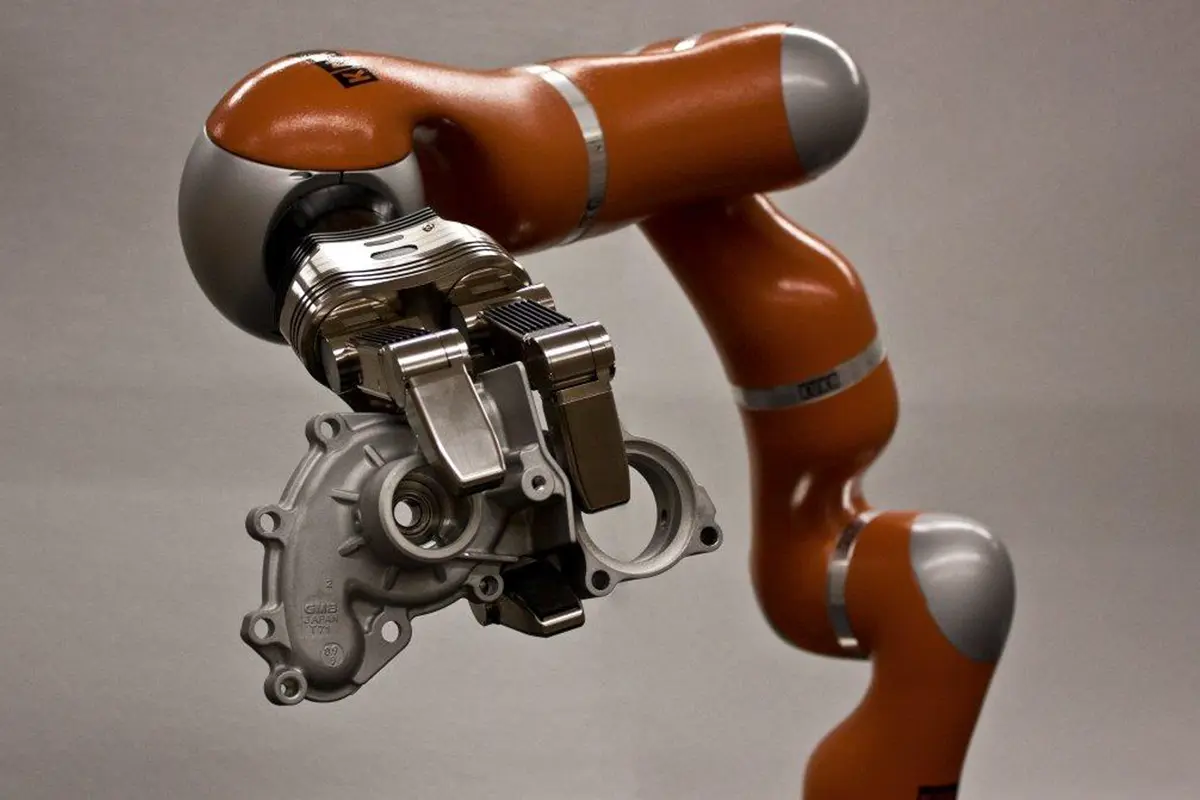 02 / Motion
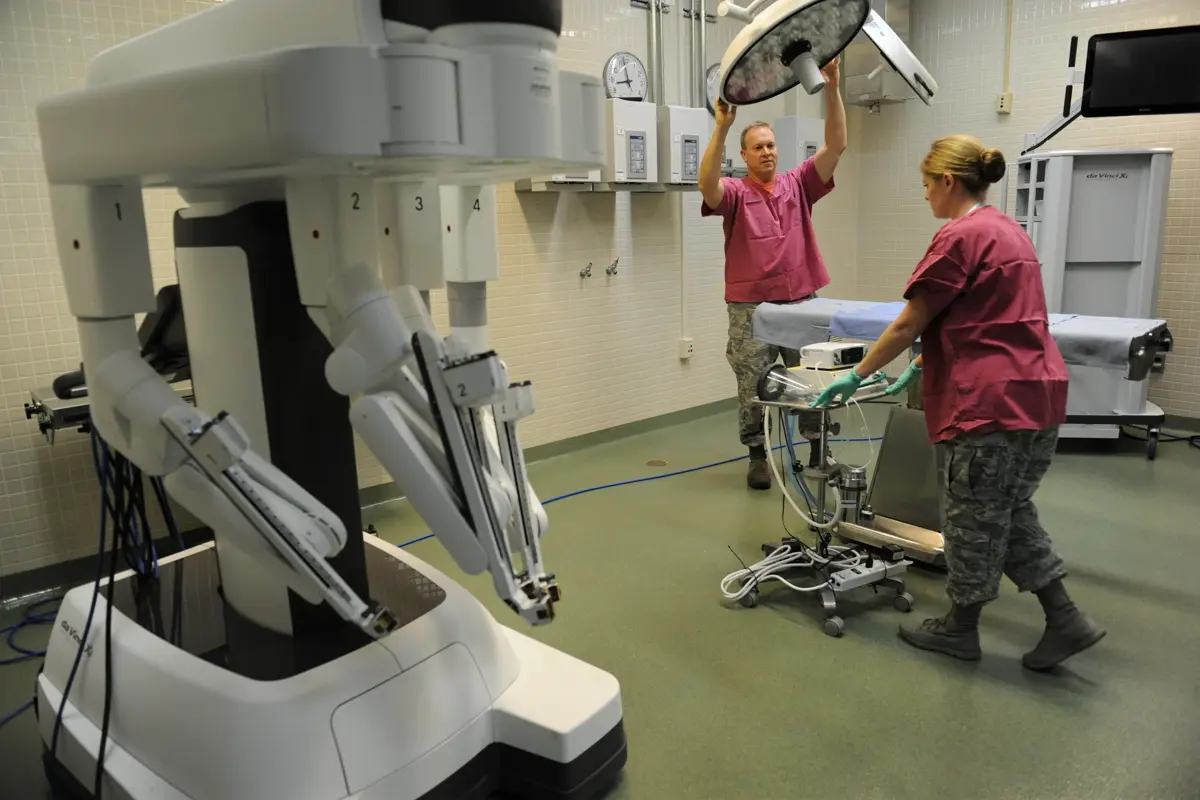 03 / Health
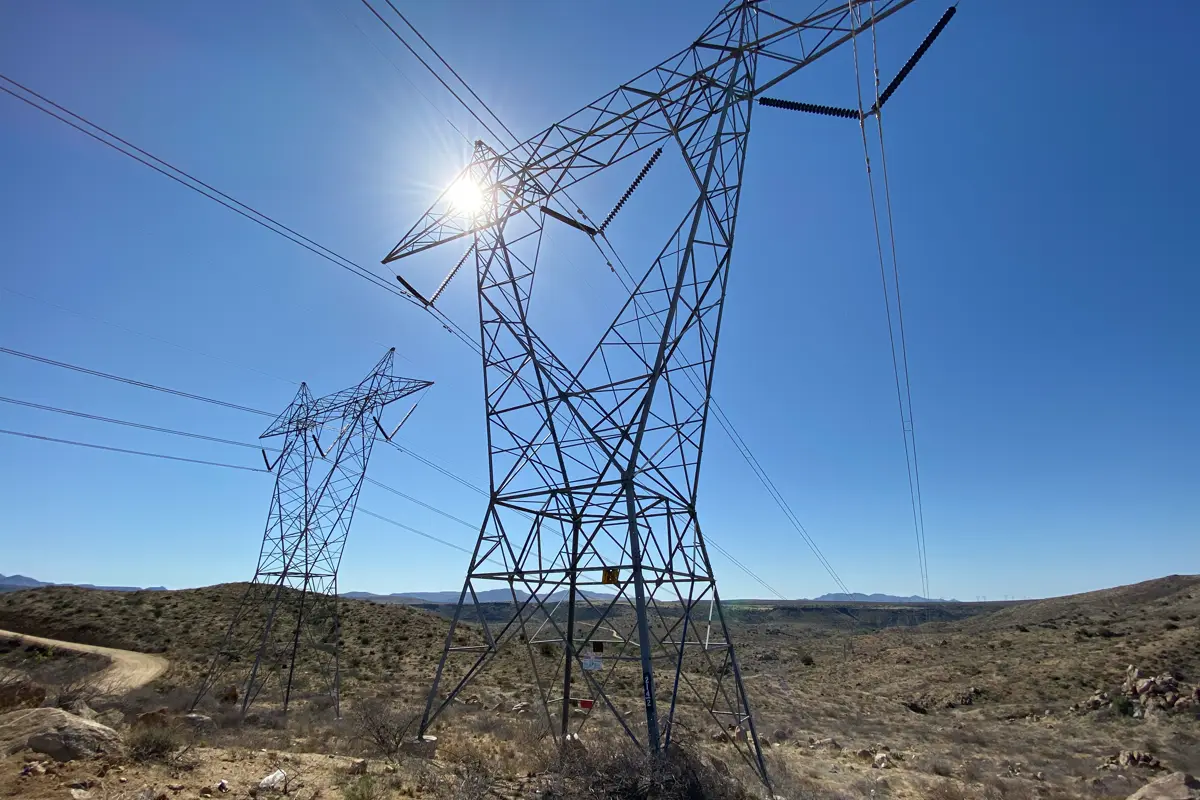 04 / Power
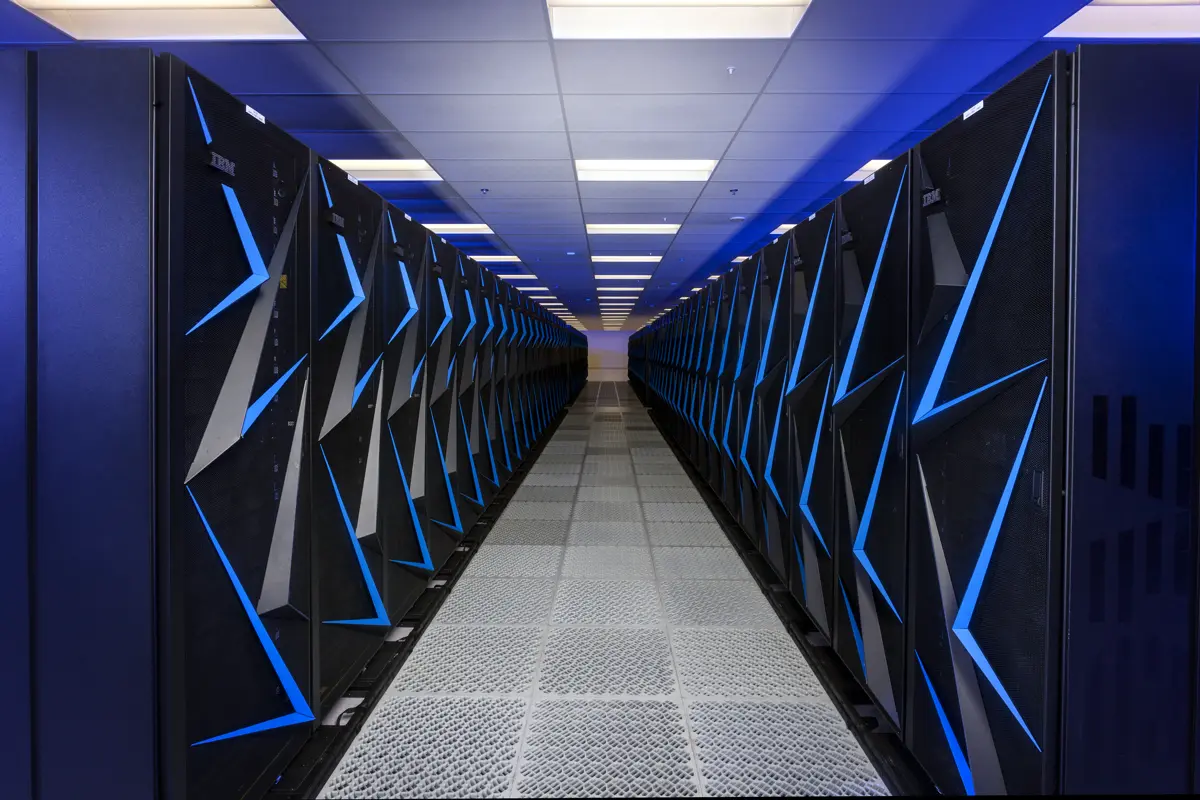 05 / Code
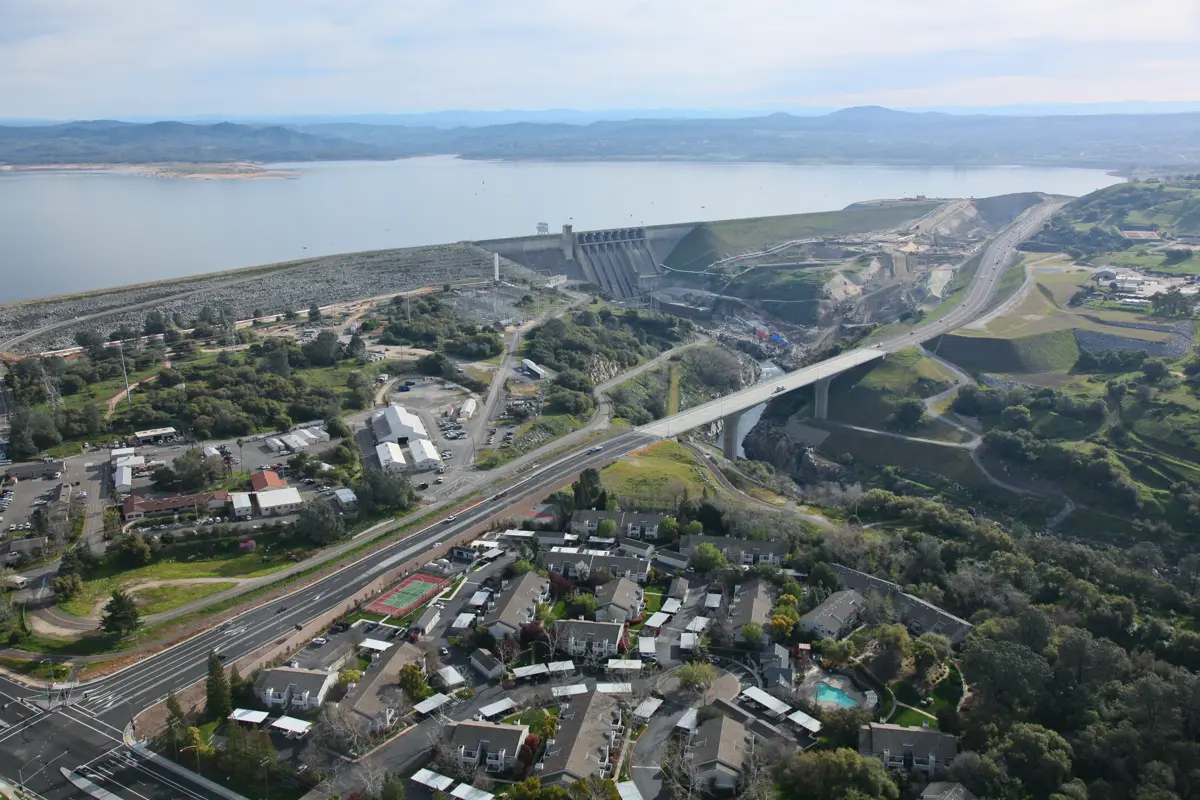 06 / Communities
College pathways
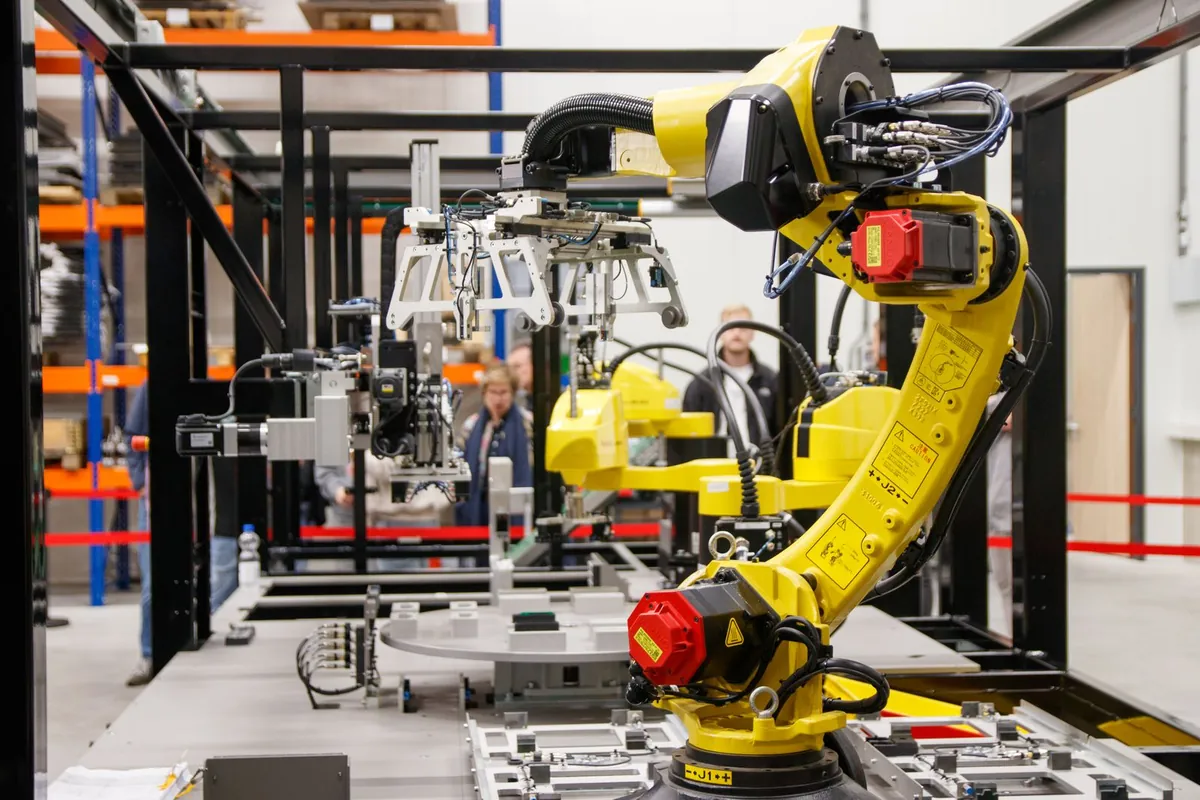 A.A.S. degree or certificate
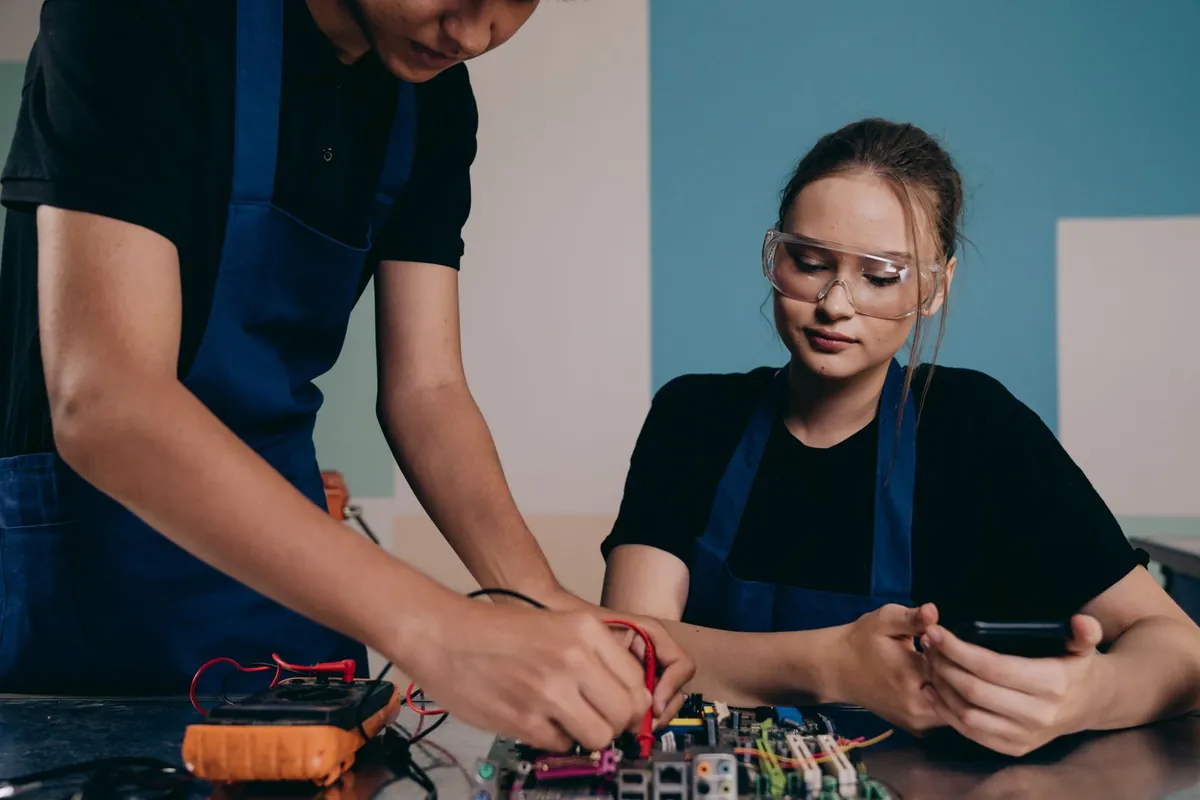 A.A.S. degree or certificate
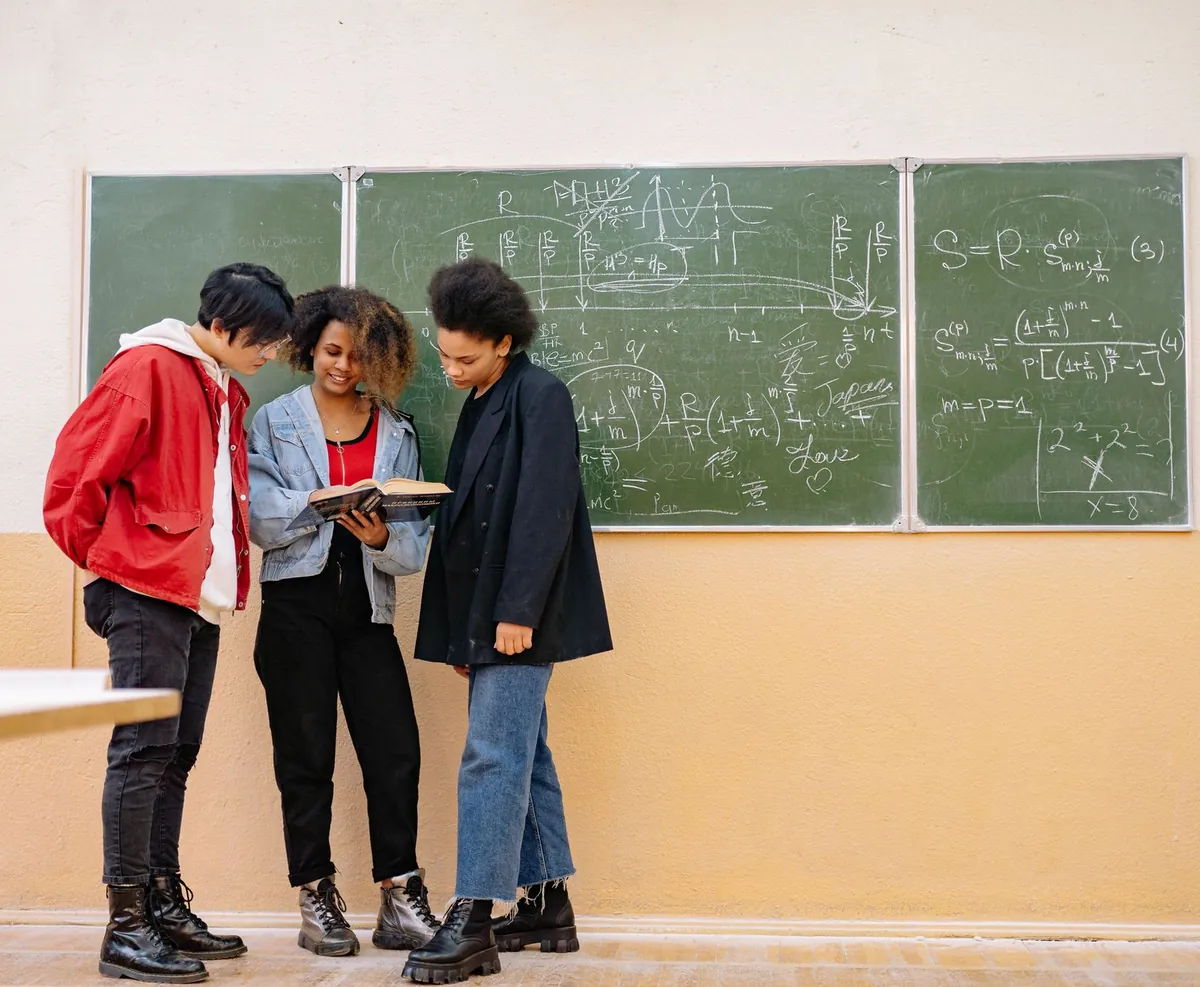 A.S. transfer degree
Engineered Fun gear
 Available now
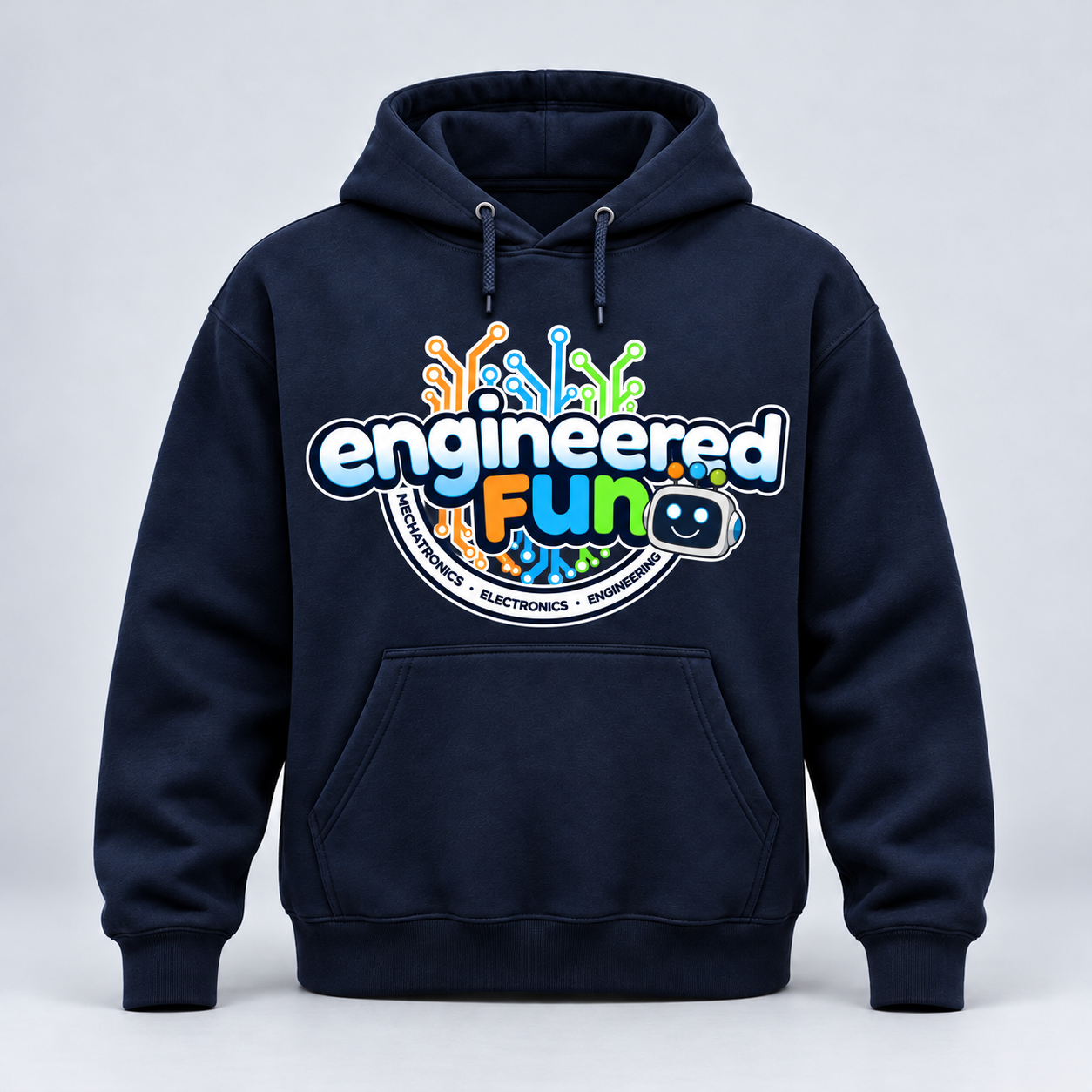 Available now
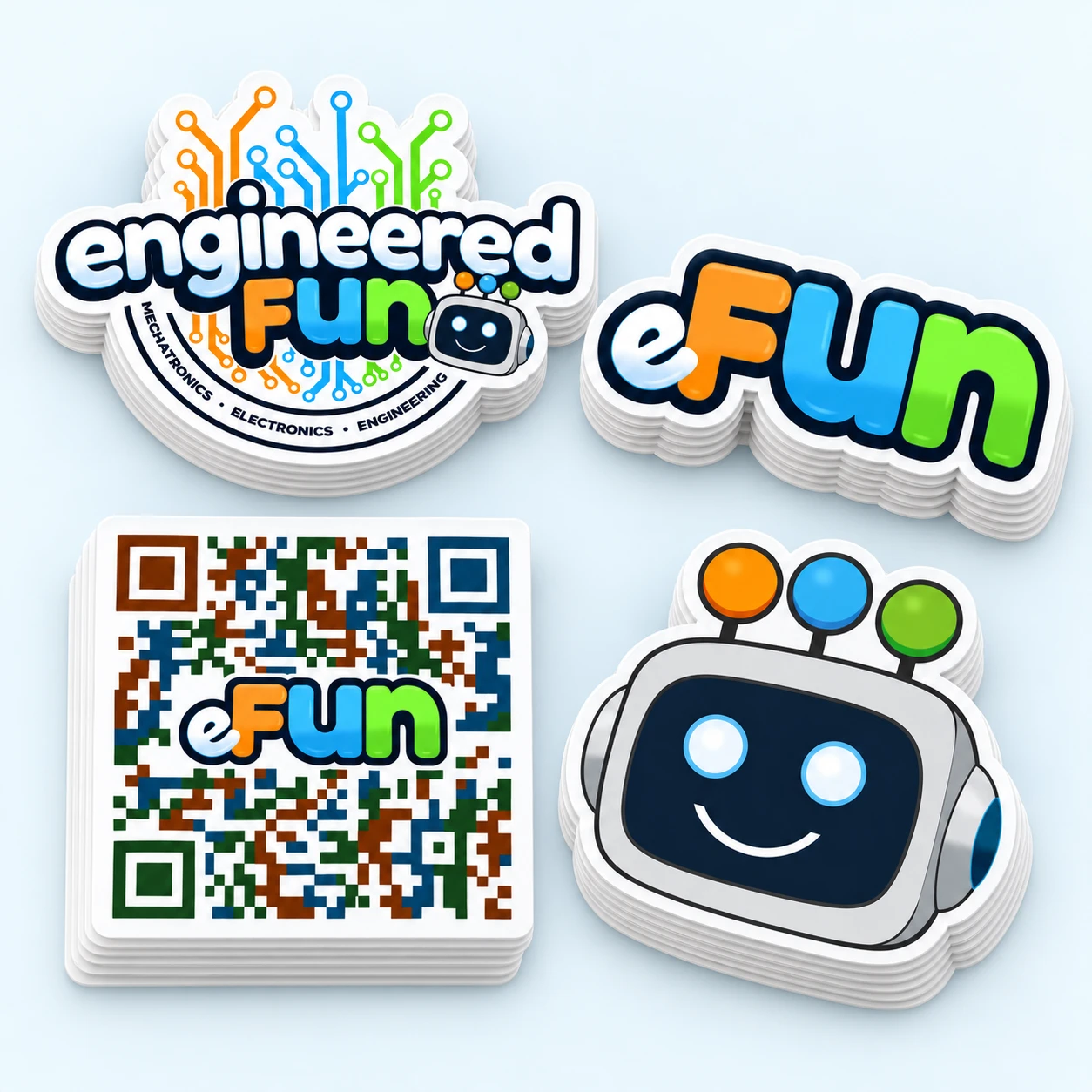 Available now
 Coming soon
 Coming soon
 Coming soon
 Coming soon
Be part of Engineered Fun
Help teach hands-on STEM as our programs grow. Planned pay: $23–$28/hour, including preparation, setup, teaching, cleanup, and training.
Introduce yourselfGain experience supporting STEM activities, project preparation, and demonstrations. Future placements depend on program needs and coordination with your school.
Ask about work-studyFamily & organizer guide
Students in grades K–12. No experience is needed; projects adjust to each student’s ability.
Inquire about Weekend Workshops, STEM Group Homework Help, STEM Adventure Events, or Engineering Exploration Days. Dates are confirmed with you.
Workshops and homework help have up to six students. School and community events use rotating stations or class sessions.
Yes. Request a free, two-hour session for a student and parent or caregiver. No purchase required.
Weekend Workshops cost $250 per student for all six weeks, with one two-hour session each weekend and STEM kits provided for use during class. STEM Group Homework Help costs $30 per student per two-hour session; students bring their own homework or study materials. Sibling and group discounts and payment plans are available.
At a local library, the instructor’s home, or a student’s home. We confirm the venue before registration.
Yes. Share the ages, group size, venue, and preferred date. We’ll tailor the activities and provide event pricing.
No. Classroom kits are provided. We’ll let you know about any items to bring.
Optional for workshops, and encouraged for the first class. A parent or caregiver joins the free family session.
Contact us to arrange a make-up. For a full refund, give at least 72 hours’ cancellation notice.
Tell us your student’s interests and support needs so we can discuss suitable activities and arrangements.
Workshops have no assigned homework. For STEM Group Homework Help, students bring their own assignments or study materials.
Start here