Less Math.
More Fun.

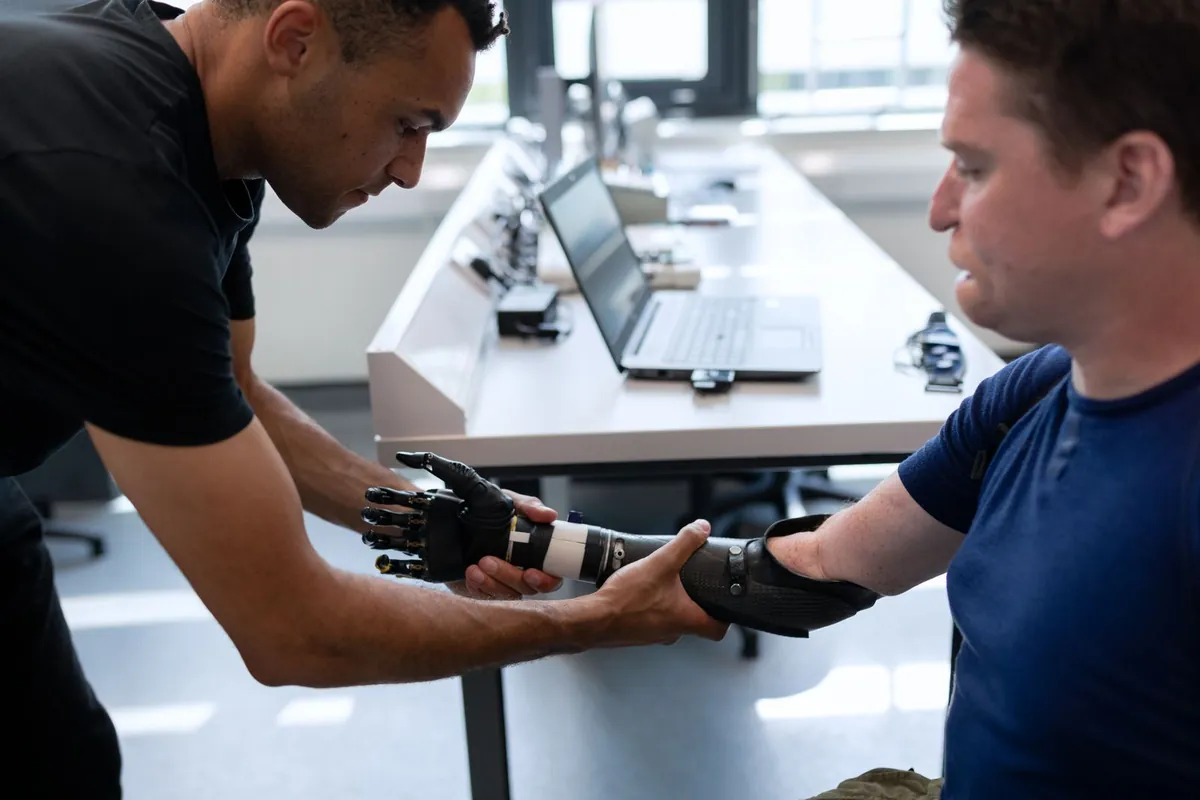
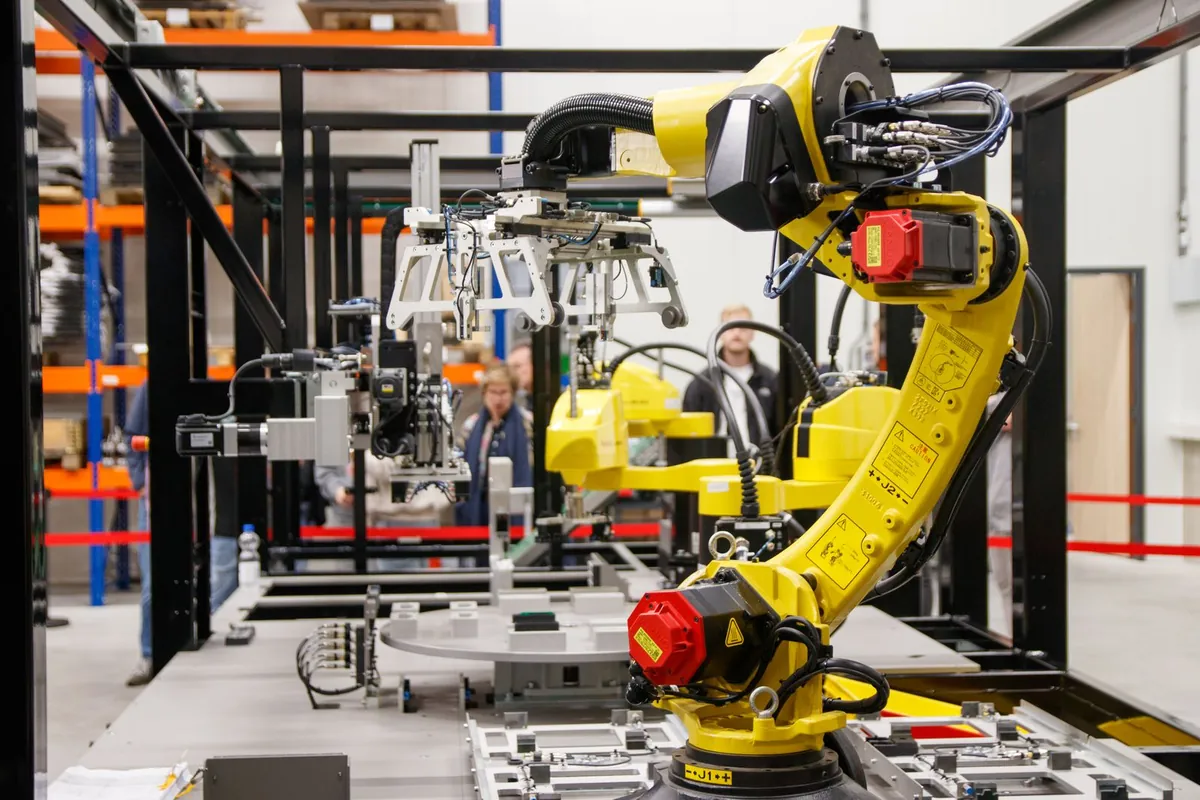
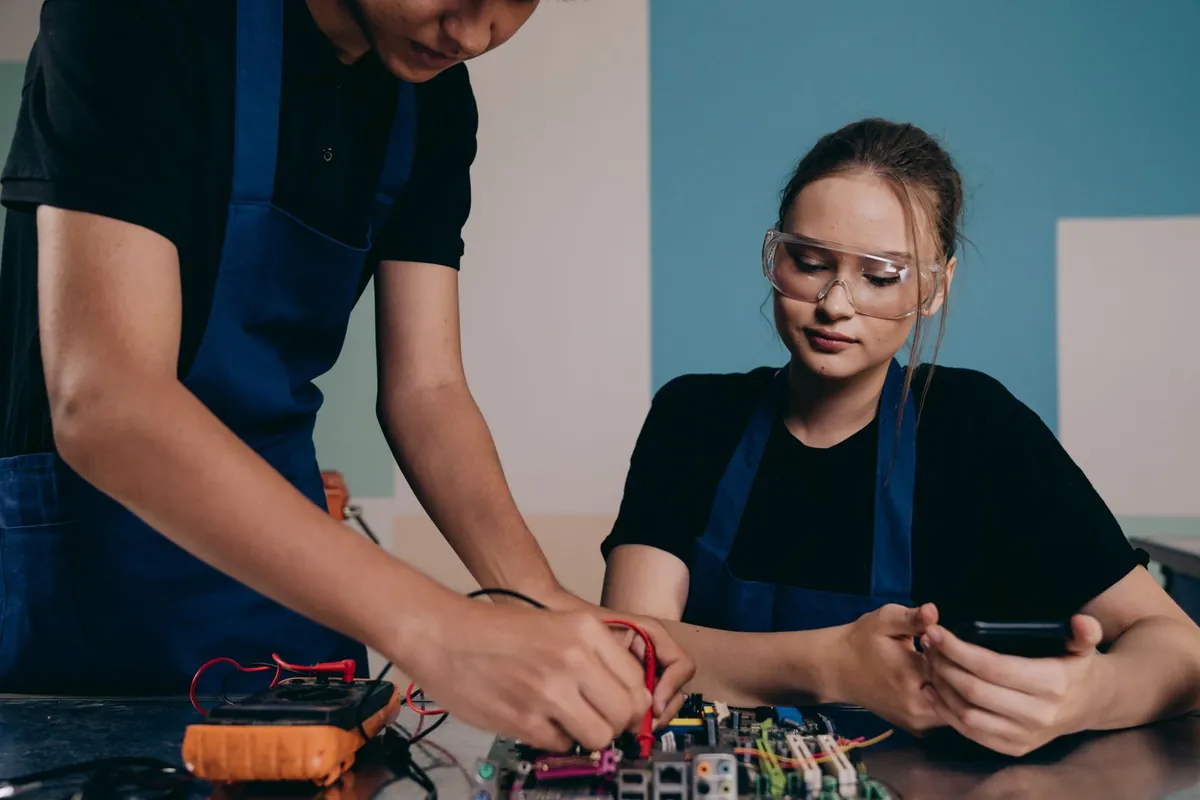
Ever wonder how automatic doors or roadside speed signs work? Students in grades K–12 explore the answers through circuits, robots, and code.

Hands-on STEM in Anne Arundel County, Maryland and nearby areas.

Choose your build

Programs that are engineered for fun.

01

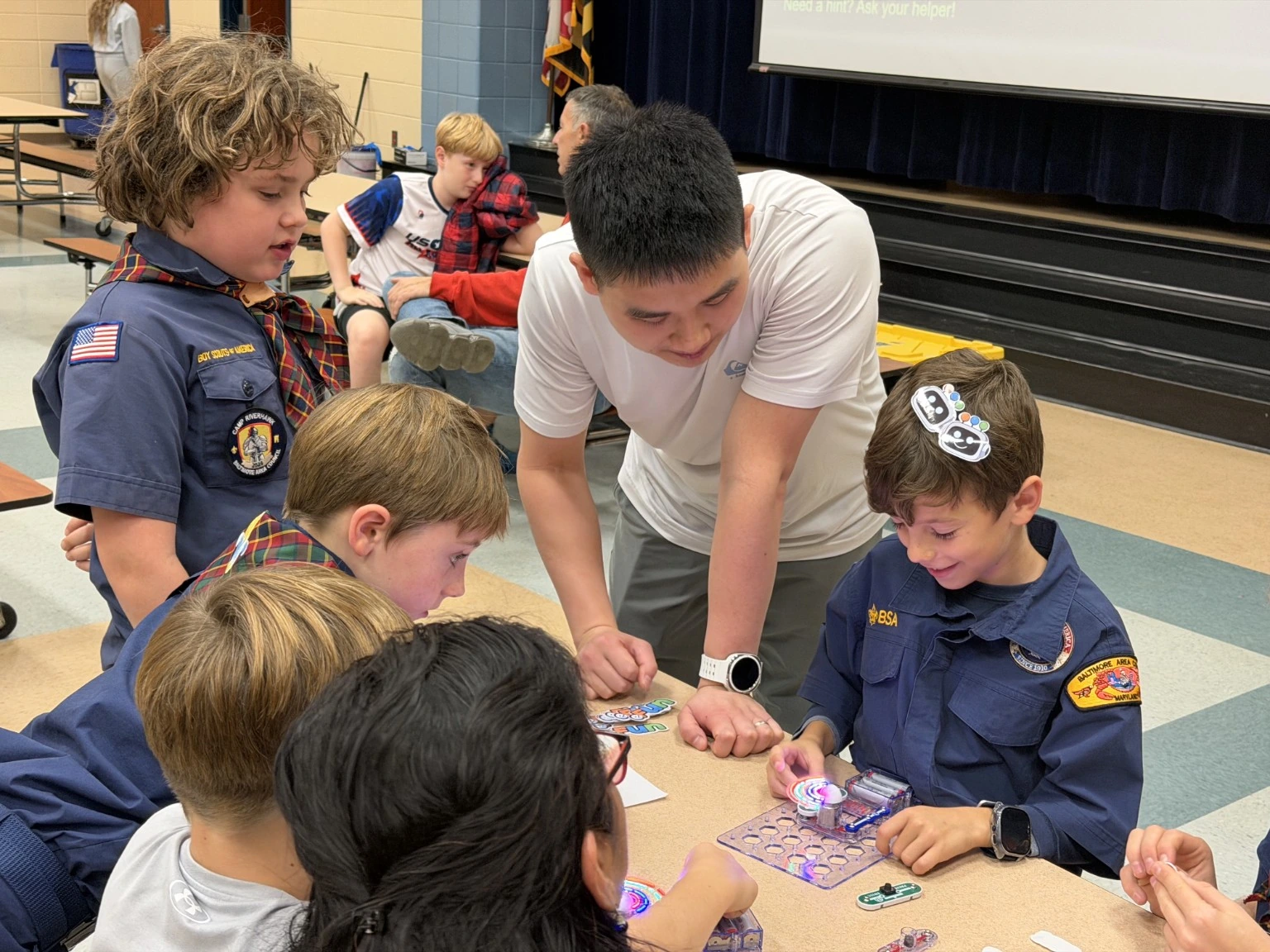
STEM Adventure Events
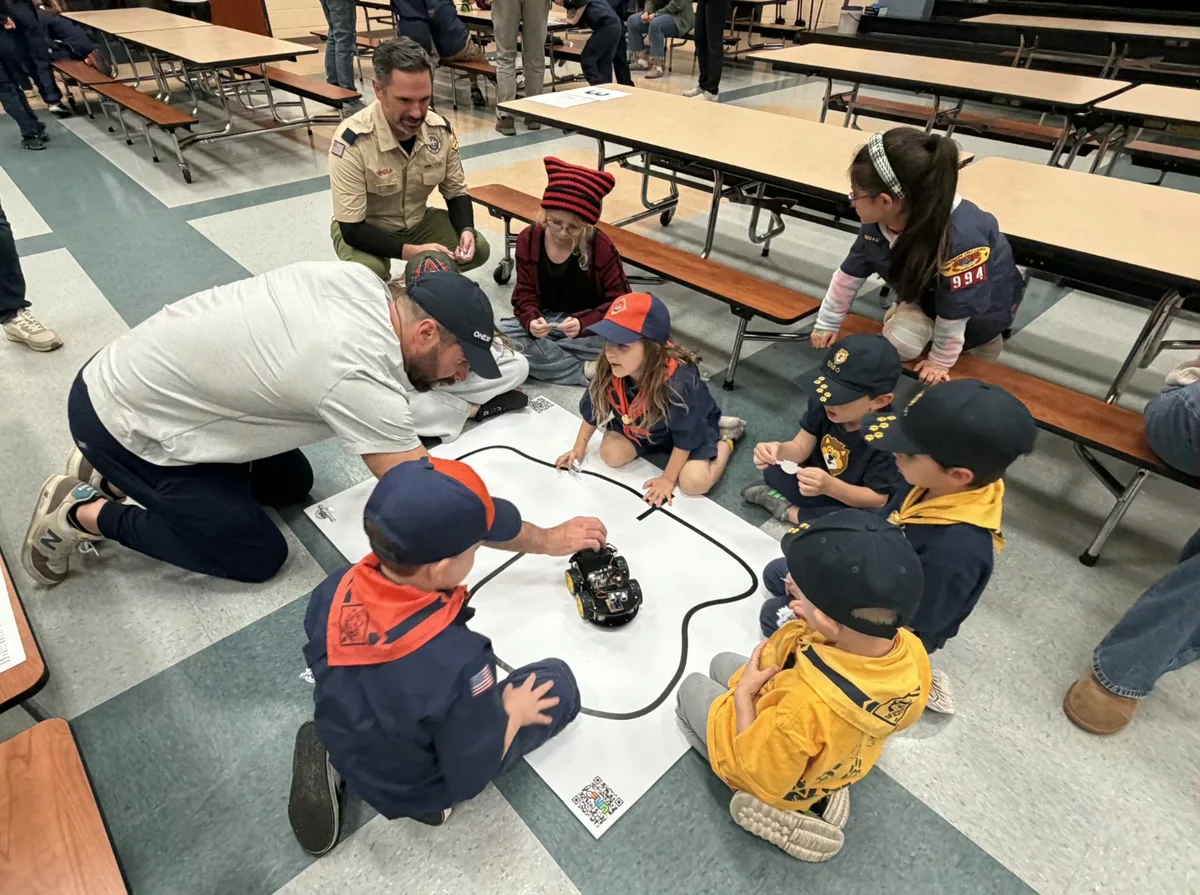
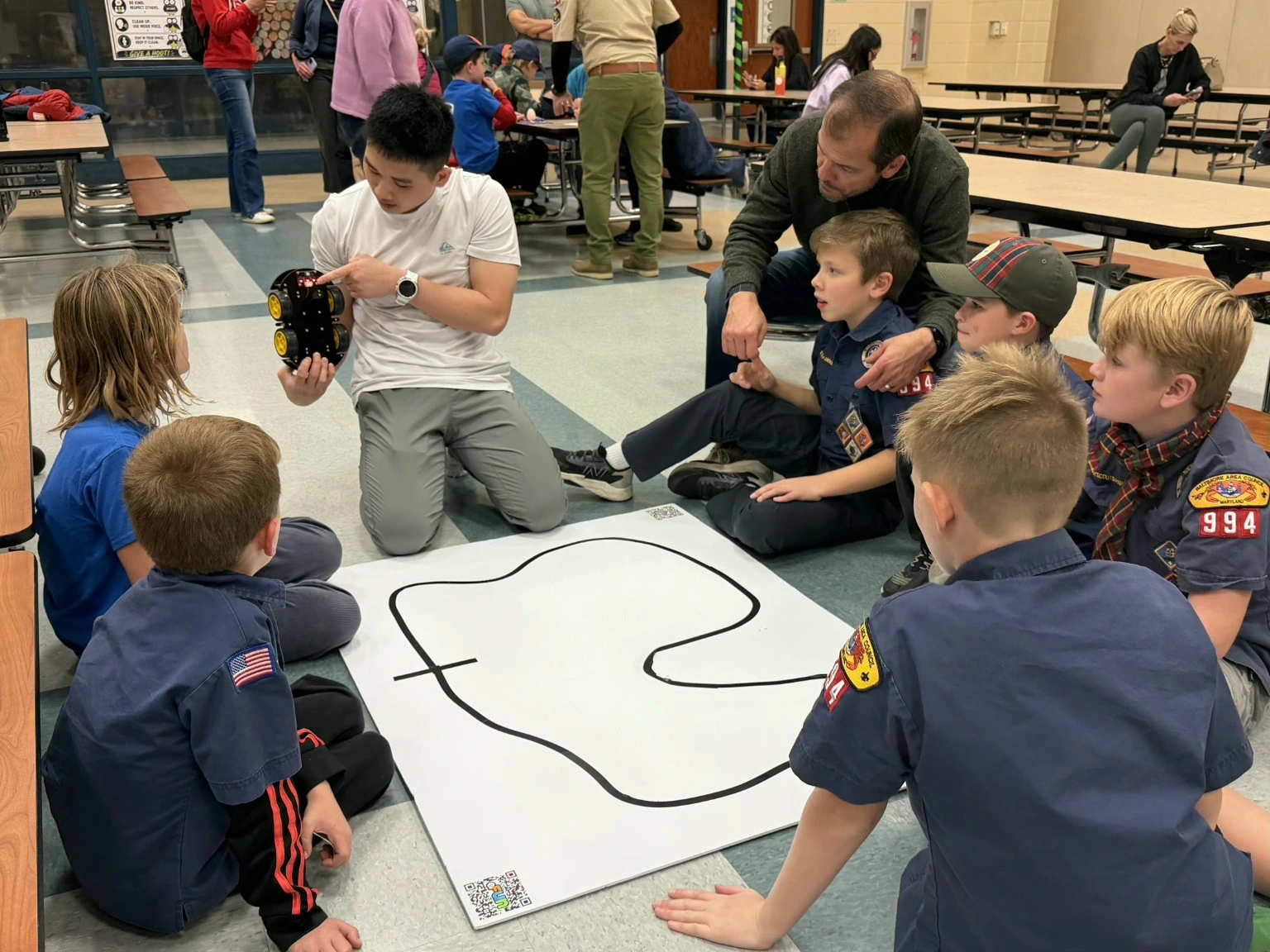
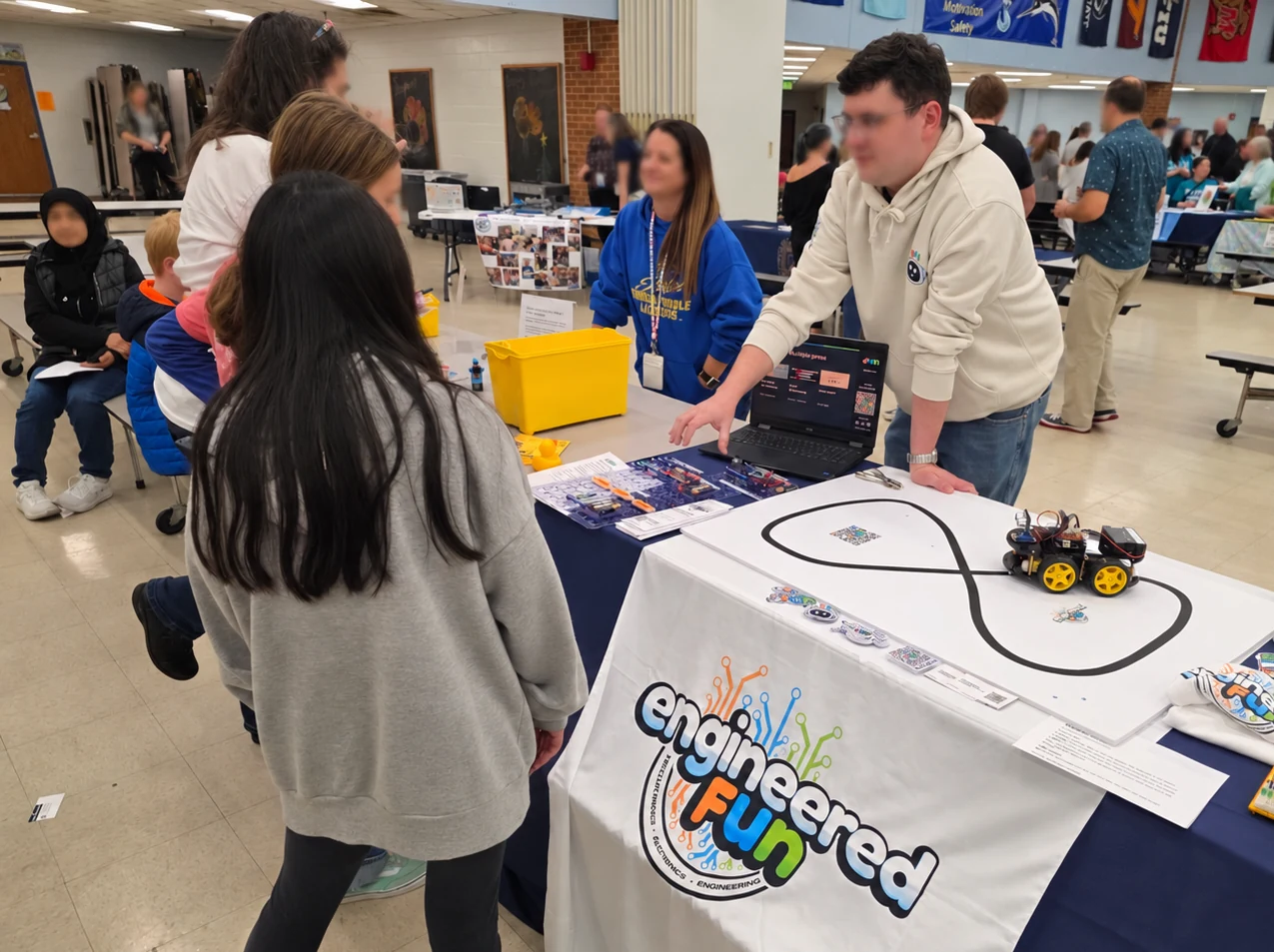
Cub Scouts exploring a line-following robot together at an Engineered Fun event
Duration customized to your groupContact for pricing
STEM Adventure details

For Scout packs, youth groups, and families. Small groups rotate through hands-on activity stations exploring circuits, robotics, and Arduino demonstrations.

Held at your school or community venue. Tell us your group’s ages, size, and preferred date so we can plan the activities and schedule together.
Inquire now →
02

Engineering Exploration Days

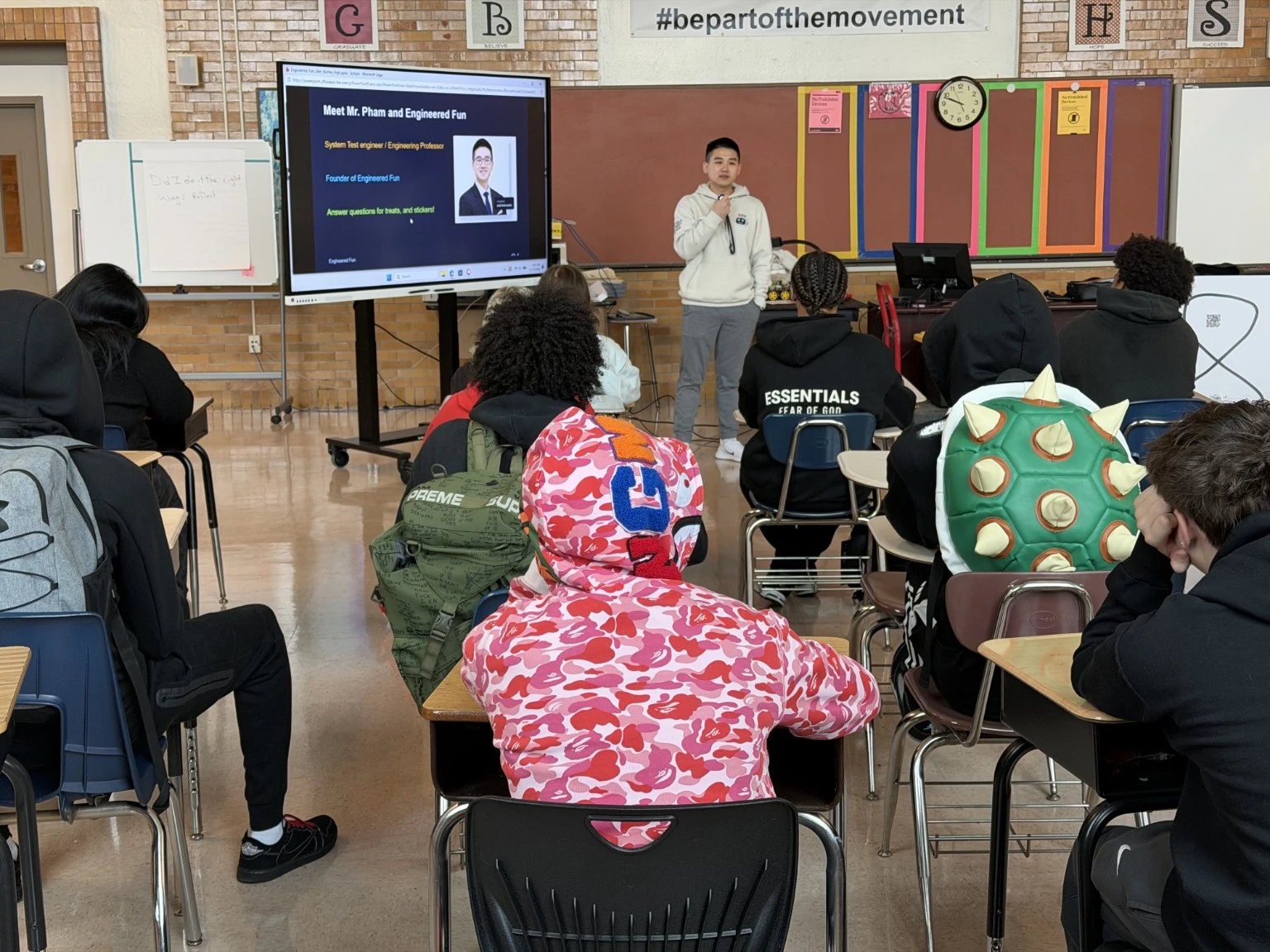
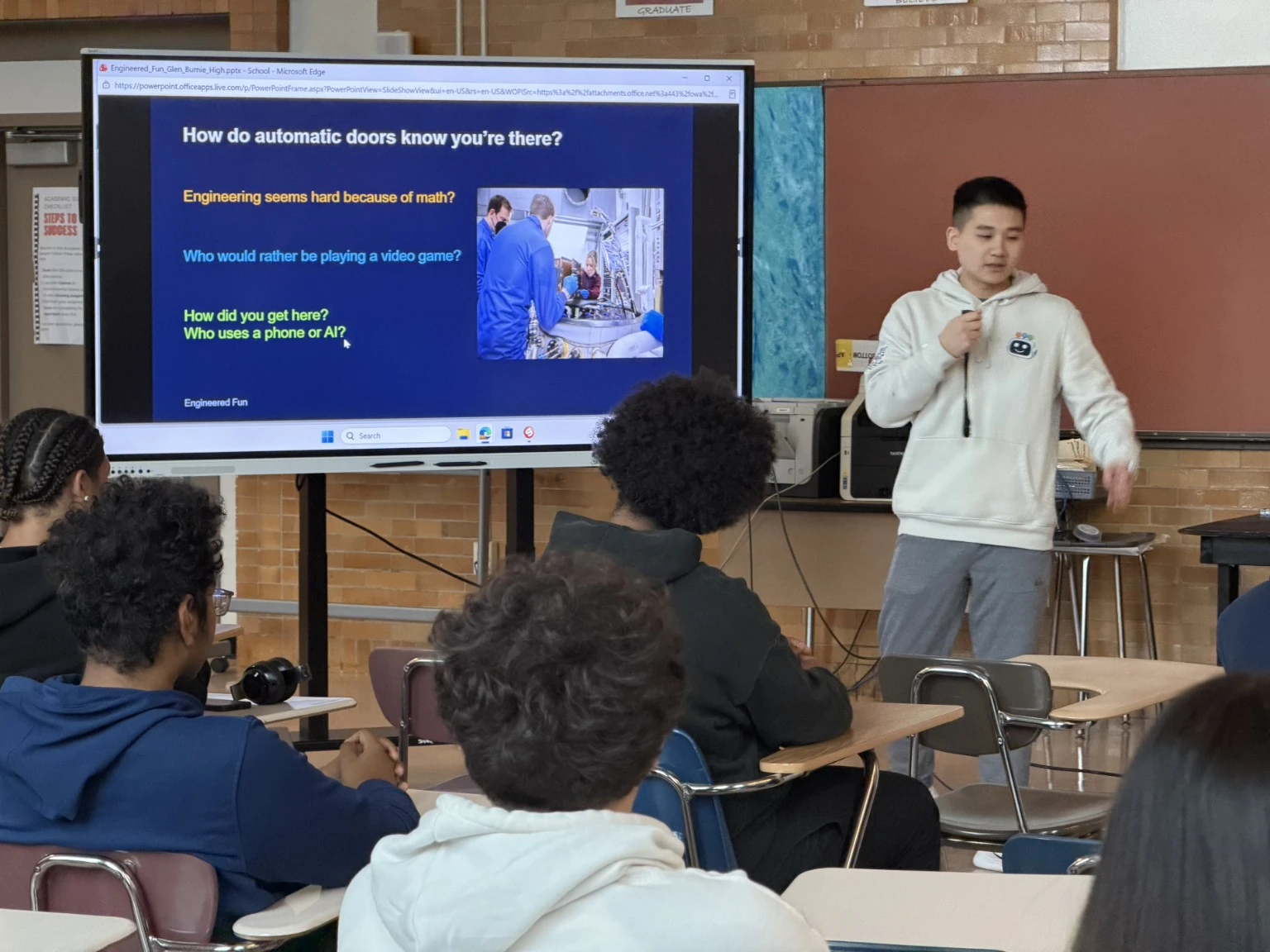
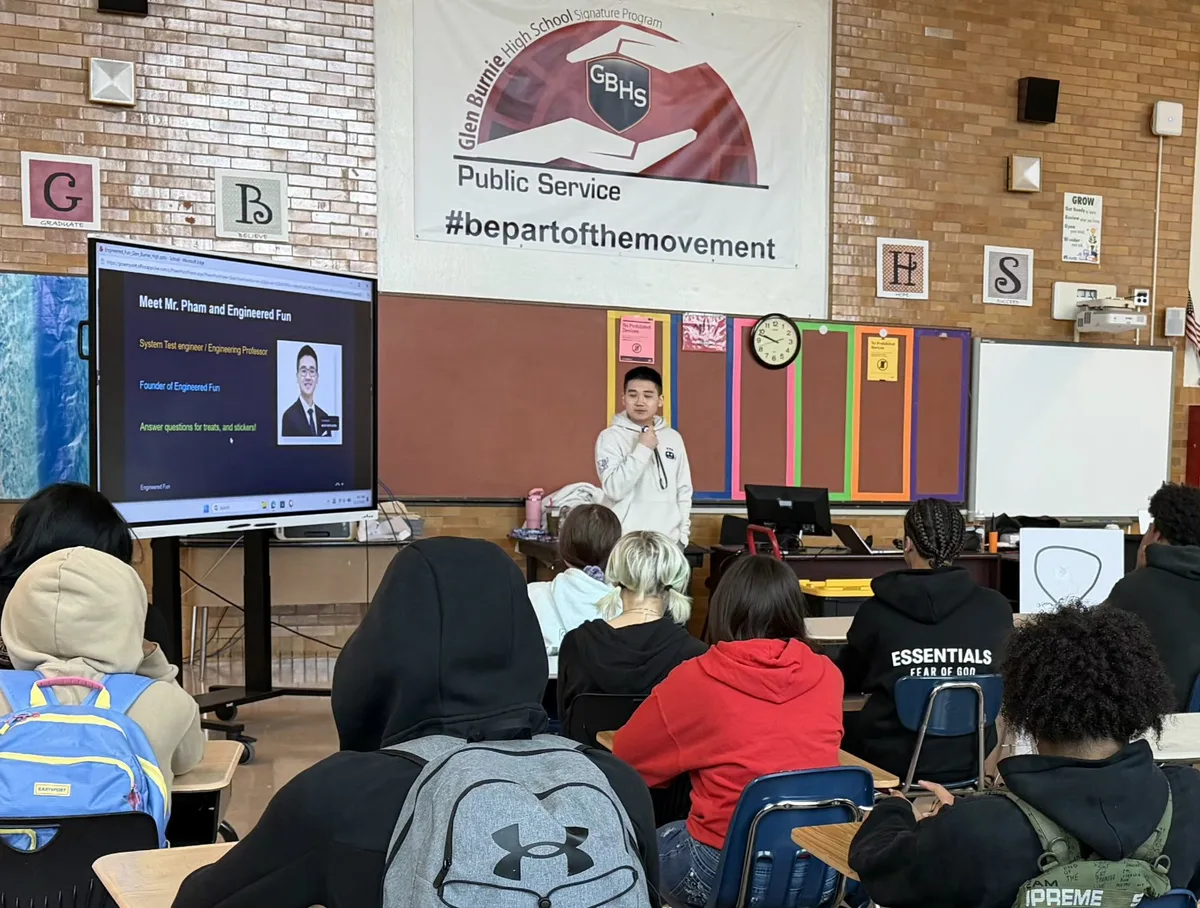
Tam Pham presenting engineering to students at Glen Burnie High School
Duration customized to your groupContact for pricing
Engineering Exploration details

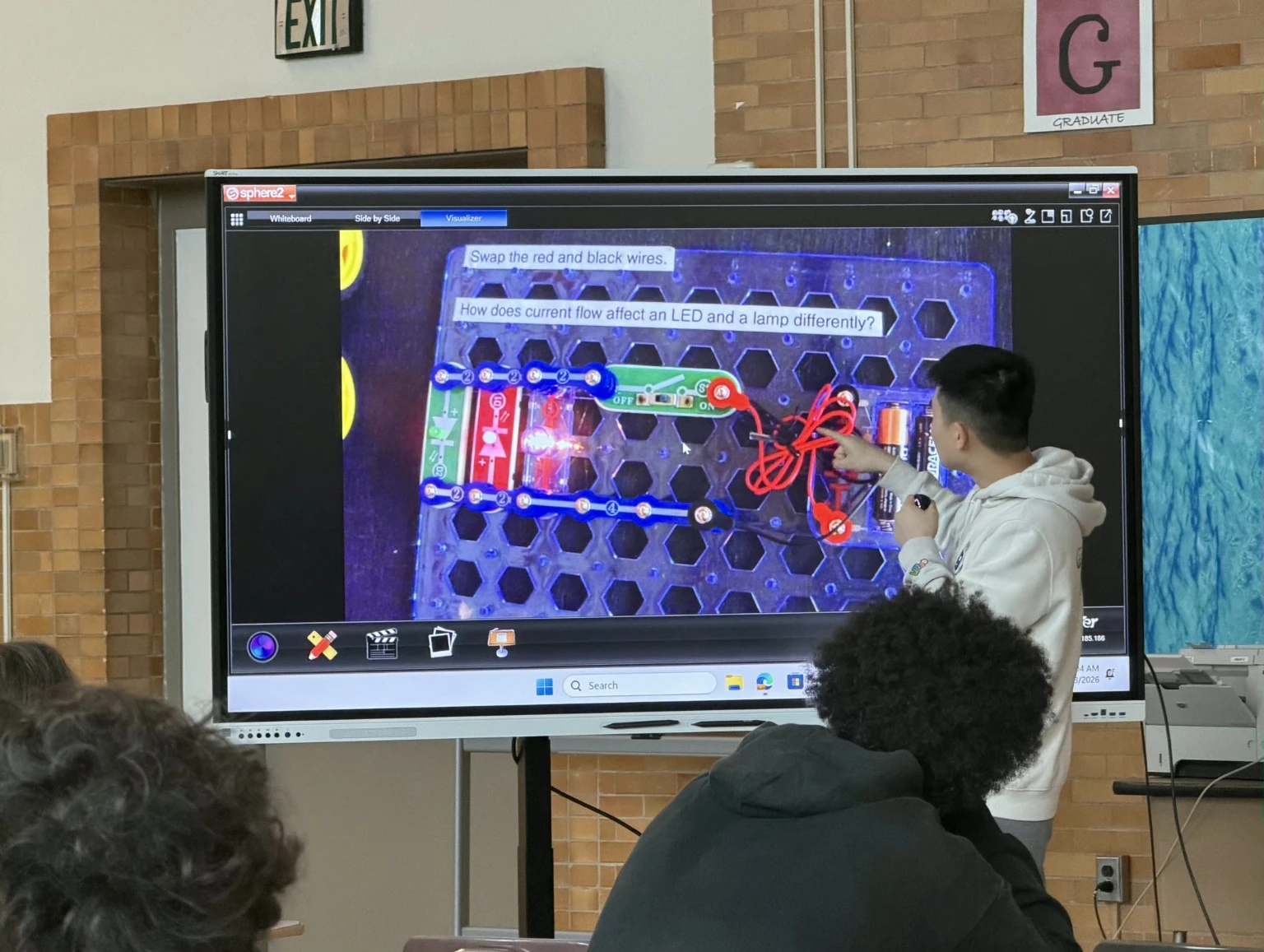
For elementary, middle, and high schools. Class-by-class sessions during the school day combine engineering demonstrations, hands-on exploration, and career Q&A with a real engineer.

Held at your school. Tell us the grade levels, number of classes, and available session times so we can tailor the activities to your students.

Inquire now →
03
⚡

Weekend Workshops

6 weeks · 2 hours weekly · 12 hours totalFirst series: $249 · Regular price: $279
Classroom materials included
Workshop details

Up to six students, grouped by similar ages and skills. Sessions may be at a local library, the instructor’s home, or a student’s home; the location will be confirmed before registration.

Build, test, and improve a project across the series, then share the result.

04
∑

STEM Group Tutoring

6 weeks · 2 hours weekly · 12 hours totalFirst series: $249 per student · Regular price: $279
Classroom materials included
Group tutoring details

Small-group support for up to six students, grouped by similar ages, skills, and learning goals. Focus on math, science, coding, or engineering fundamentals through guided explanations, practice, and hands-on examples.

Tell us the subject, grade level, and what students would like help with. We’ll confirm the schedule and location before registration.

Inquire now →
Explore future programs
05
⚙
Coming soon

After-School Classes

3 weeks · Twice weekly · 12 hours total
06
☀
Coming soon

Summer Camps

1 week · Monday–Friday · 15 hours total
07
✦
Coming soon

School Partnerships

2 or 4 weeks · 8 sessions · 16 hours total

Try Engineered Fun

A free session
for curious families.

Request a free session →

Project examples

What Students Explore

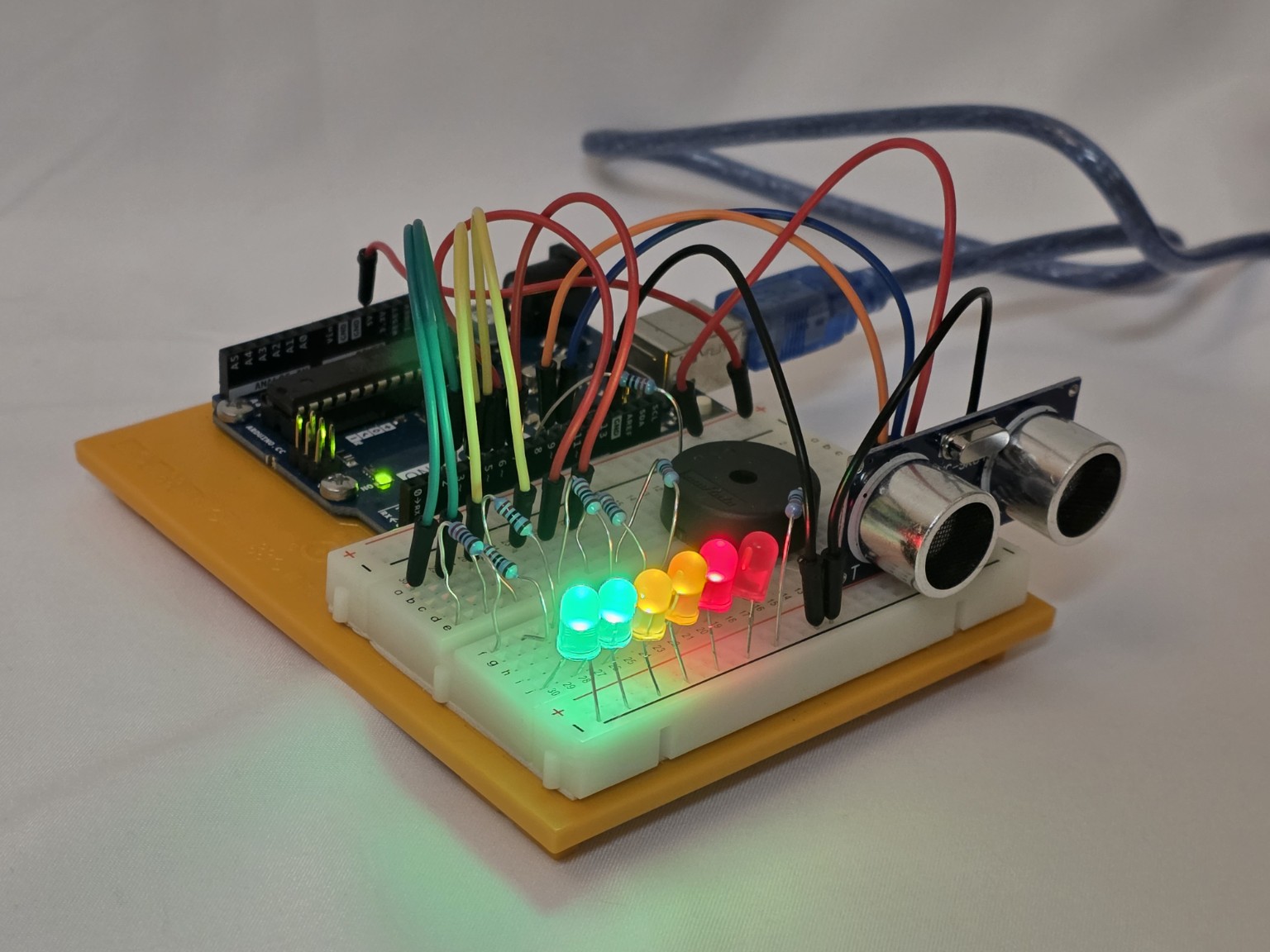
Arduino ultrasonic distance sensor with green, yellow, and red LEDs on a breadboard Arduino · Sensors + electronics

Arduino Distance Detector

Learn more about Arduino Distance Detector

Explore how an ultrasonic sensor measures distance and controls lights and a buzzer.

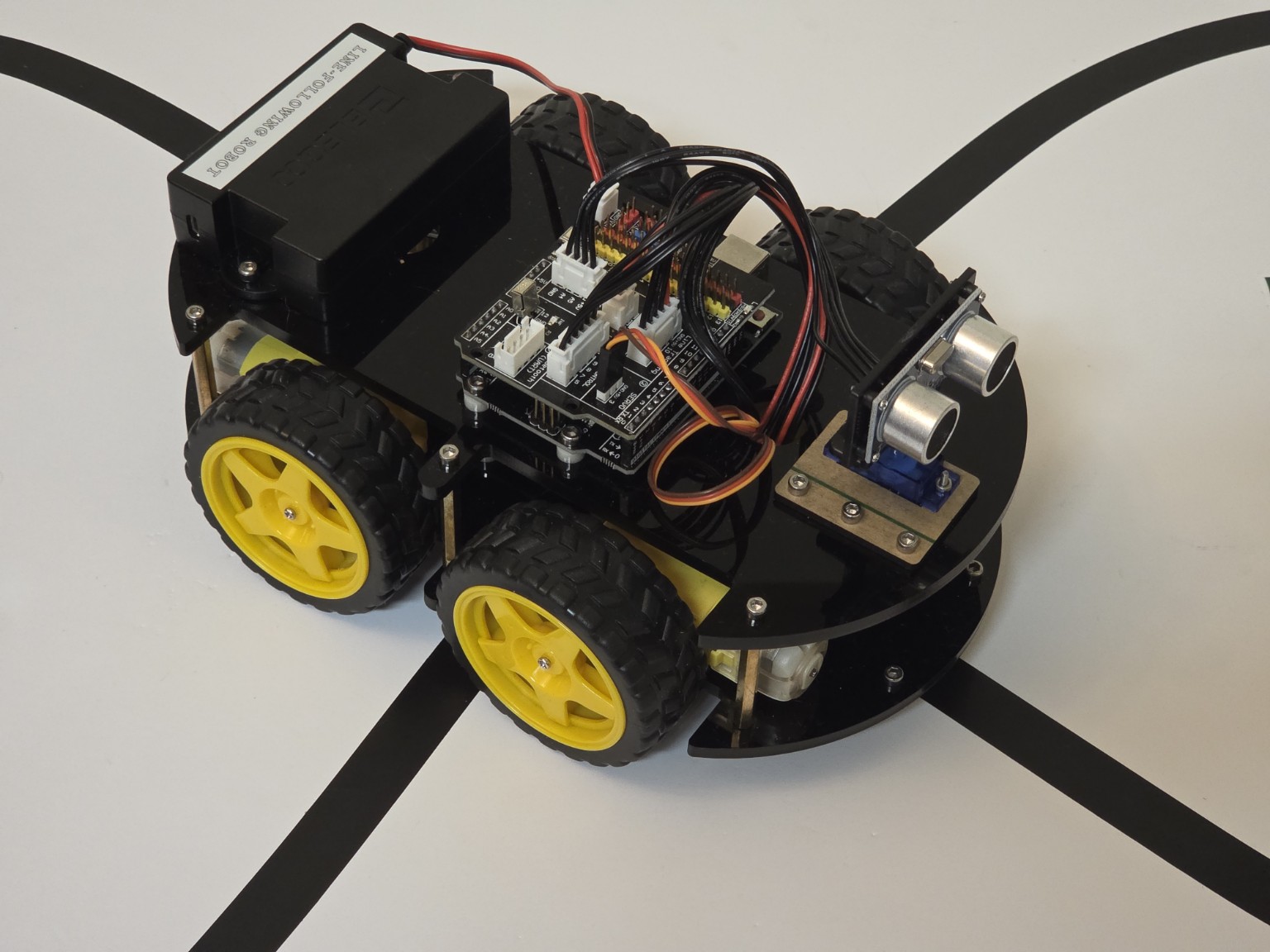
Four-wheel ELEGOO robot on a black line-following course ELEGOO Robot · Sensors + motion

Follow the Line

Learn more about Follow the Line

See how a robot senses a marked path and adjusts its motors to follow it.

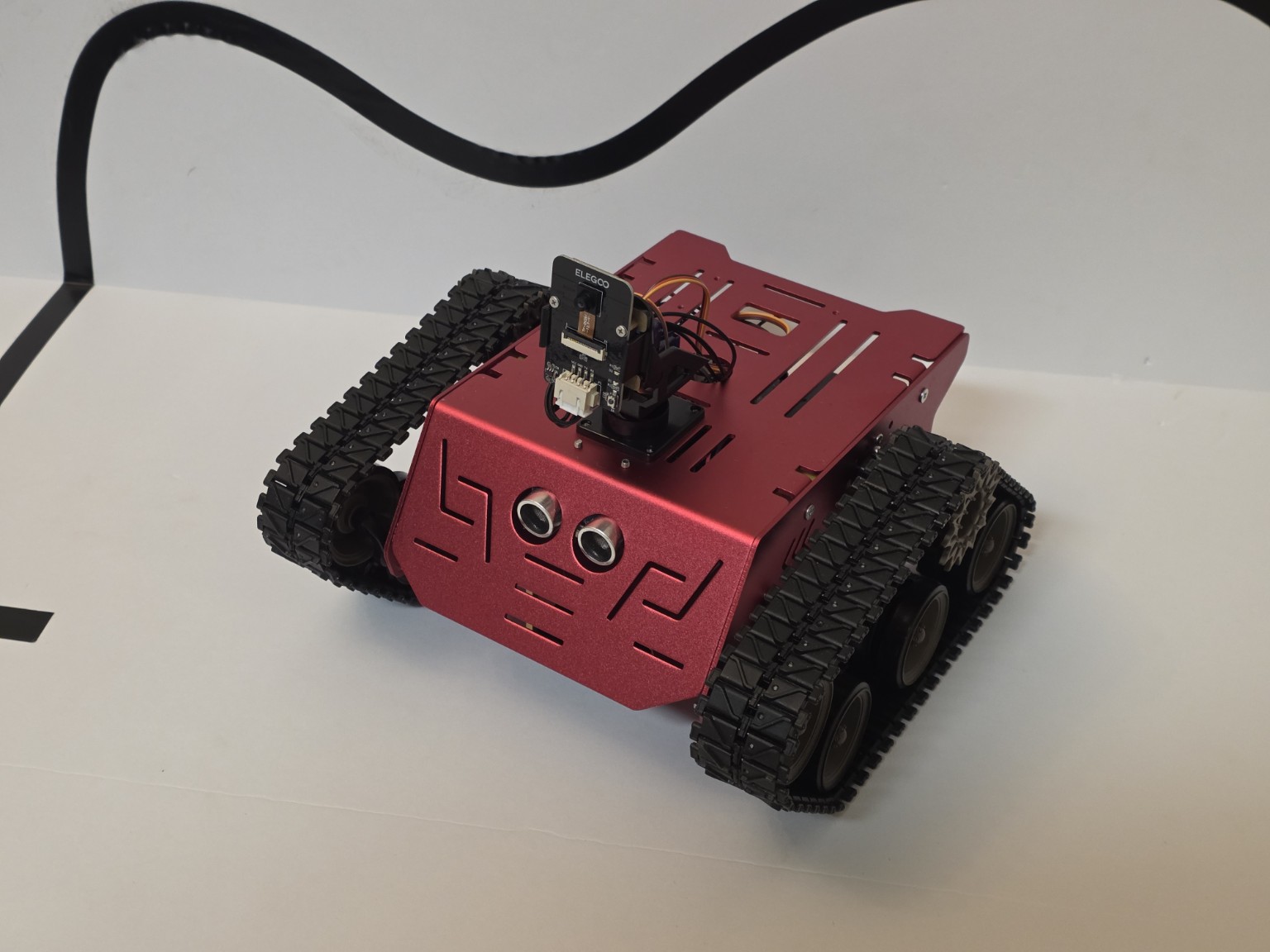
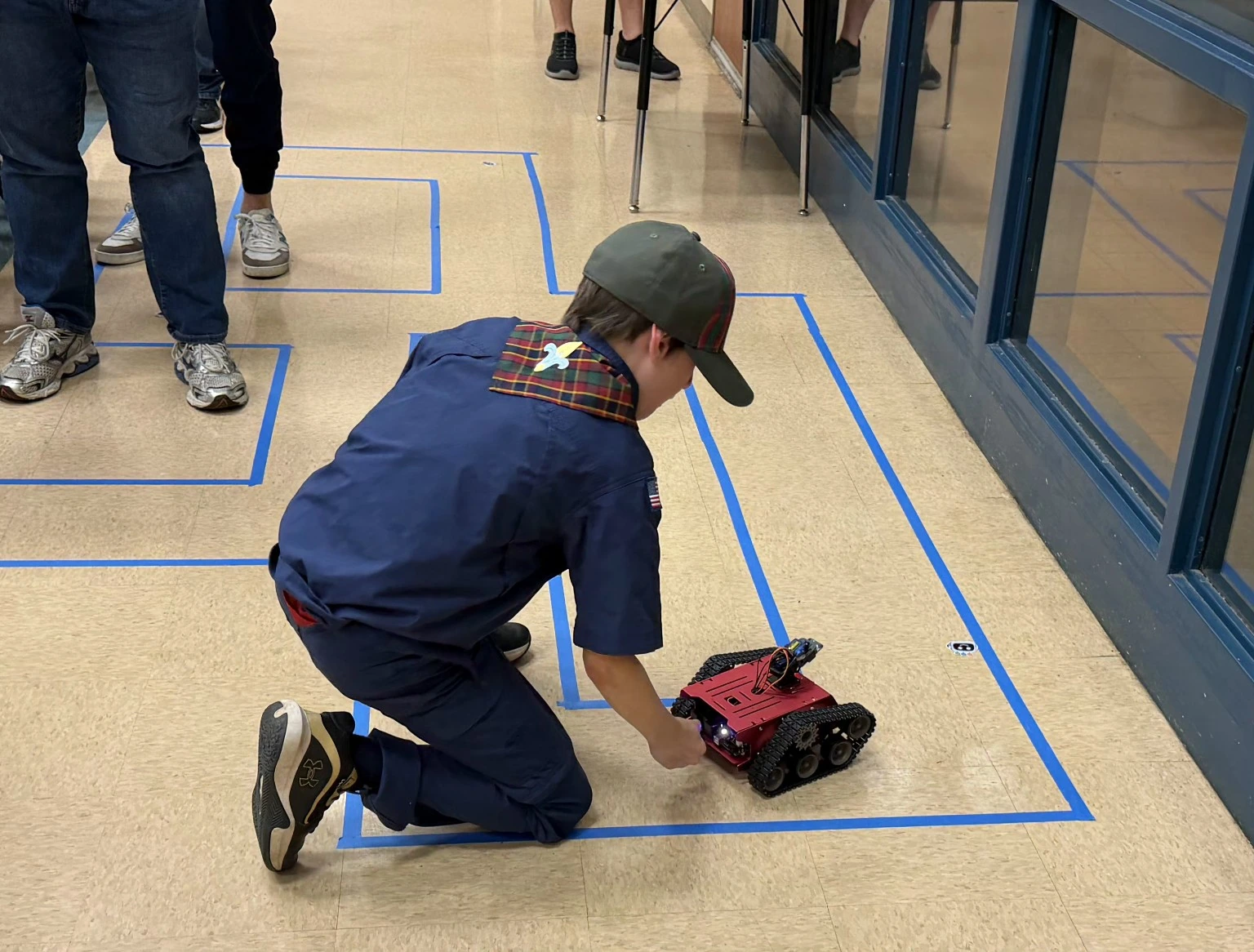
Red ELEGOO Conqueror tracked robot on a marked course ELEGOO Conqueror · Mechanics + control

Conquer the Robot Course

Learn more about Conquer the Robot Course

Drive a tracked robot through a course and explore movement, steering, and control.

Extra Project Examples
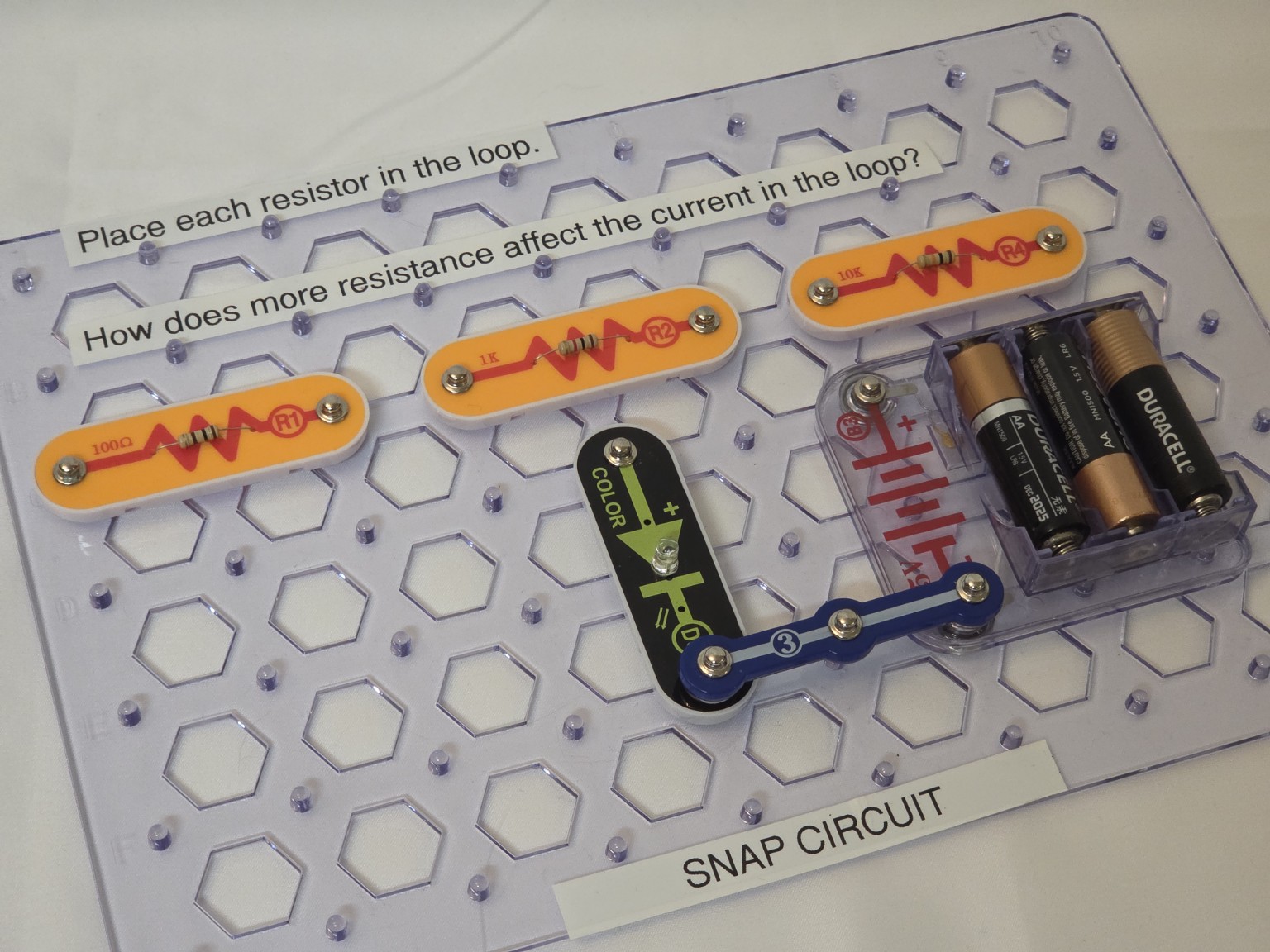
Snap Circuits demonstration comparing 100-ohm, 1-kilohm, and 10-kilohm resistors with an LED Snap Circuits · Resistance + light

What Makes an LED Brighter?

Learn more about What Makes an LED Brighter?

Compare resistors and see how resistance changes an LED’s brightness.

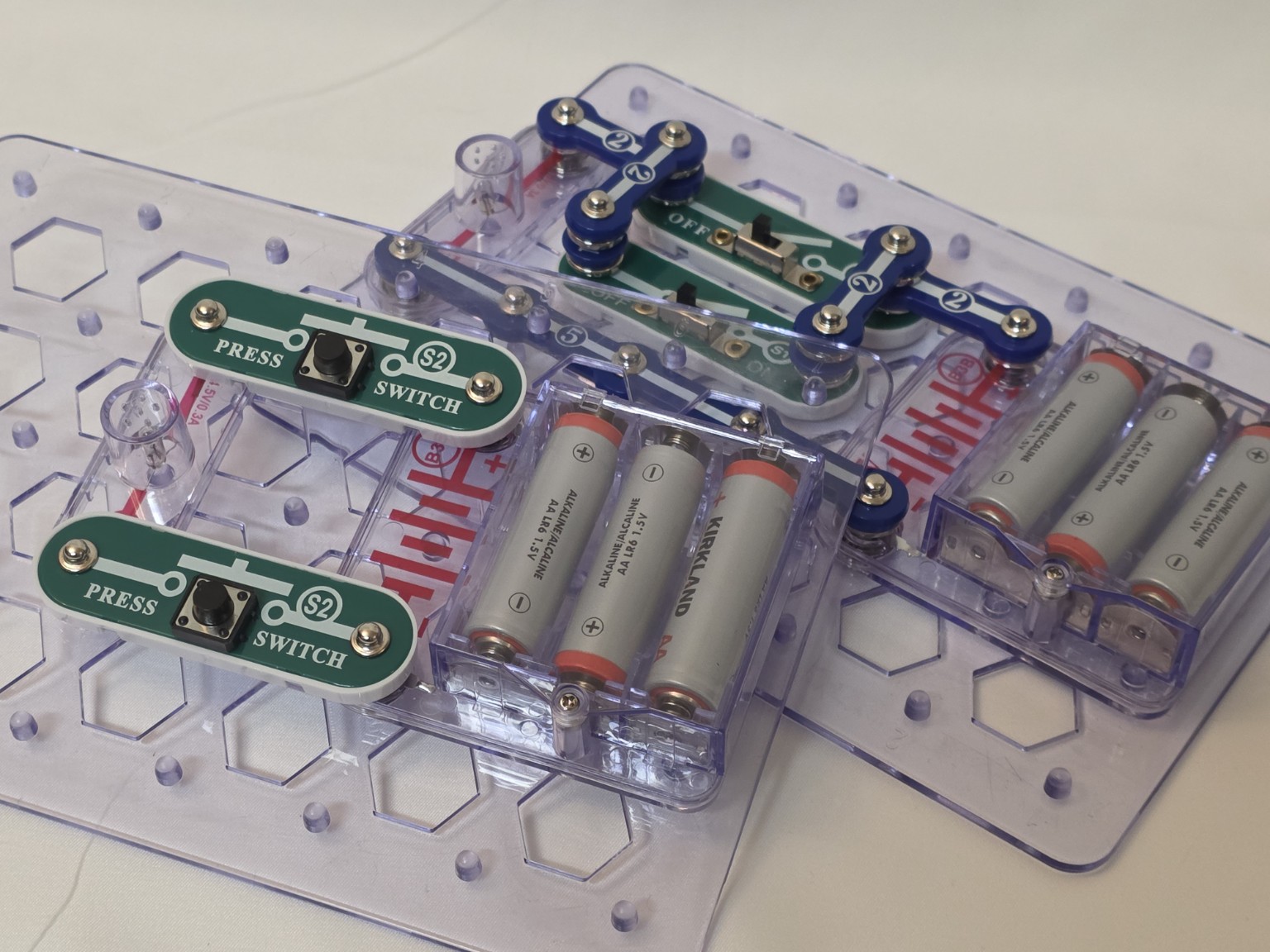
Snap Circuits switch and lamp circuits for exploring AND and OR logic Snap Circuits · Switches + logic

Build a Logic Circuit

Learn more about Build a Logic Circuit

Use switches to explore AND and OR logic and how circuits make simple decisions.

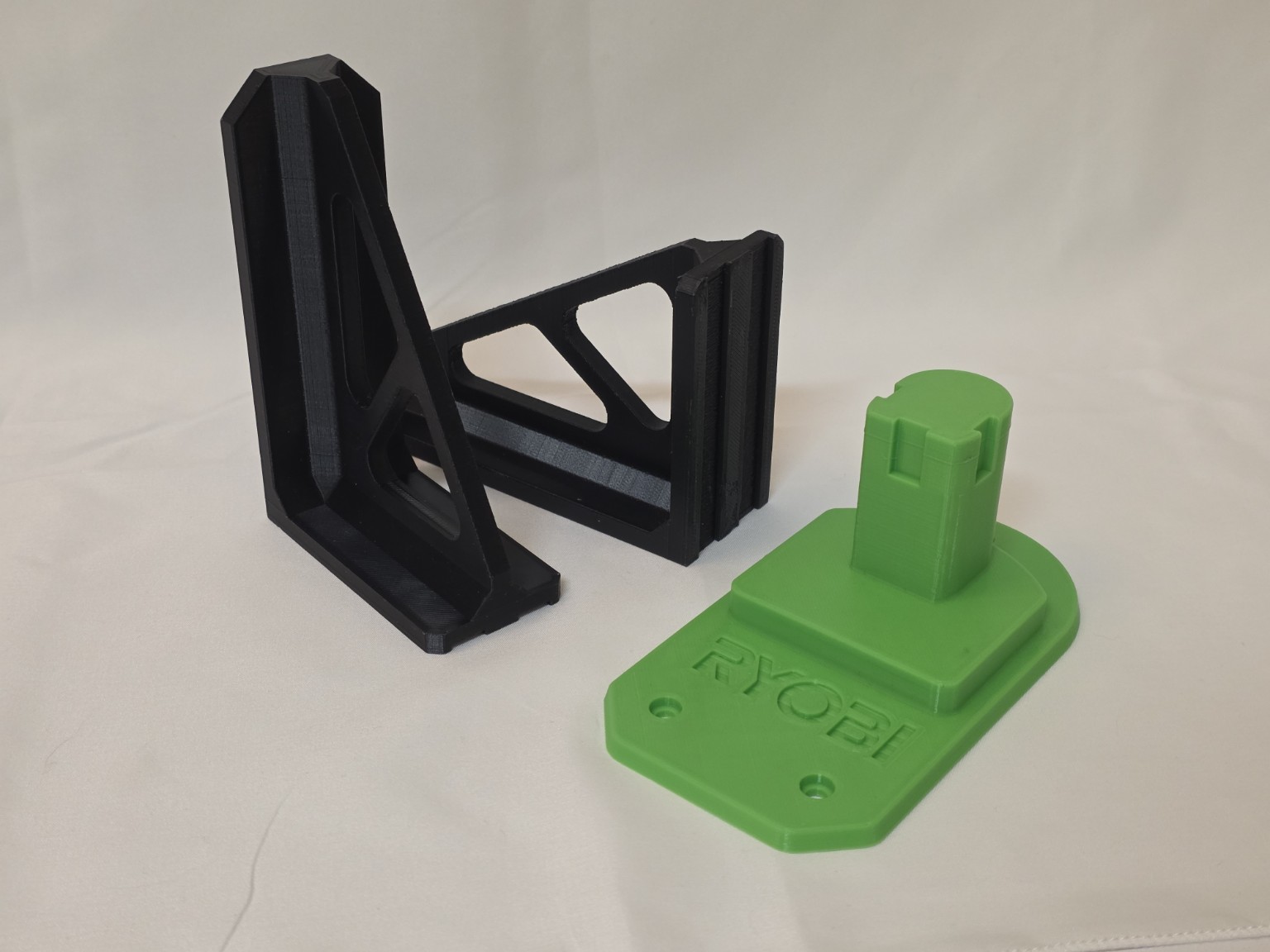
Black and green 3D-printed parts showing practical CAD designs CAD · Design + 3D printing

Design It. Print It.

Learn more about Design It. Print It.

Design a part in CAD, print it in 3D, and test how it fits or works.

Coding & automation through games

Programming & automation

Learn to code
through games.

Explore our classroom tools

Our classroom toolkit

Tools students use
to make ideas real.

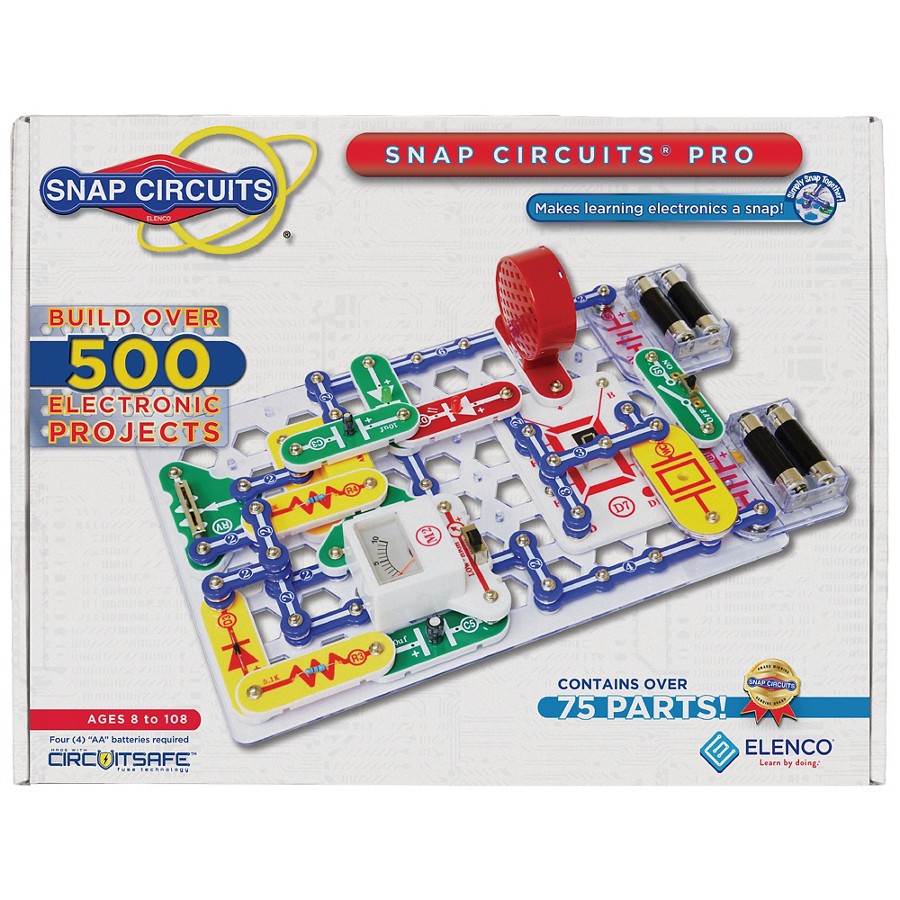
Snap Circuits Pro SC-500 electronics kitAges 8+ · Electronics

Snap Circuits Pro

How we use this kit

More than 75 color-coded, snap-together parts support over 500 hands-on electronics projects.

In classBuild a circuit, predict what will happen, then troubleshoot it when the behavior changes.
See kit details ↗
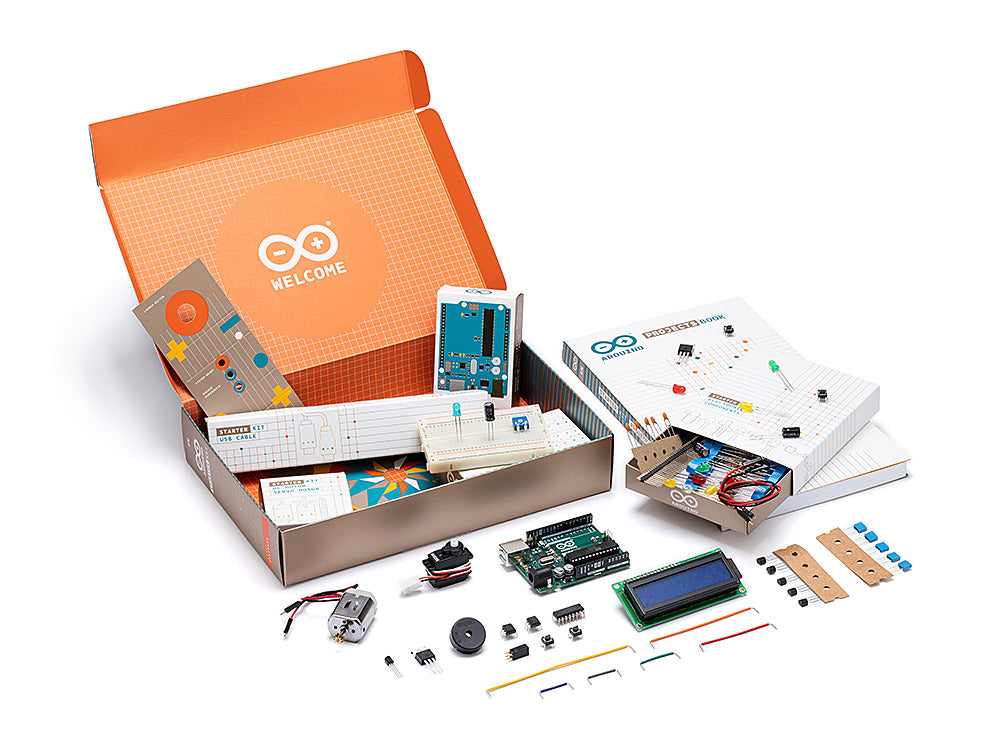
Arduino Starter Kit with board and componentsGrades 6–12 · Coding + circuits

Arduino Starter Kit

How we use this kit

A reusable microcontroller platform for reading sensors, controlling outputs, and connecting code to physical systems.

In classMove from a block diagram to a wired prototype and write code that makes the system respond.
See kit details ↗
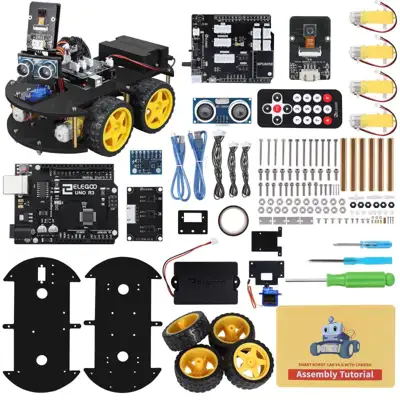
ELEGOO Robot robot kitRobotics · Motors + coding

ELEGOO Robot

How we use this kit

Build and program a wheeled robot while exploring how motors, sensors, and code work together.

In classTest movement, turning, line following, and obstacle detection, then adjust the code and compare results.
See kit details ↗
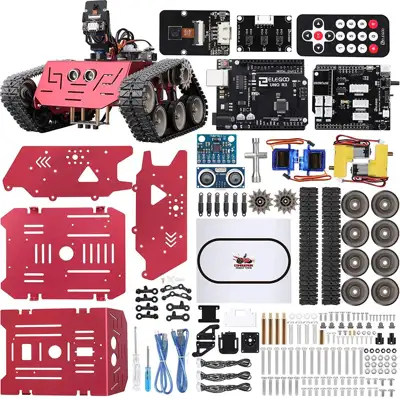
ELEGOO Conqueror robot kitRobotics · Tracks + control

ELEGOO Conqueror

How we use this kit

Explore a tracked robot that connects mechanical assembly, electronics, and programming.

In classGuide the robot through a course, test turning and sensor responses, and refine its movement through hands-on trials.
See kit details ↗
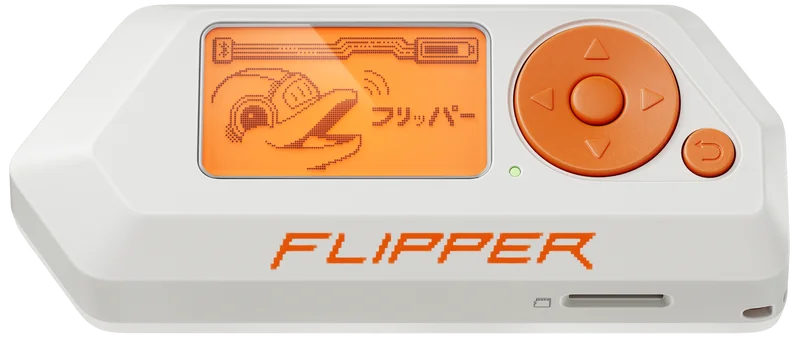
Flipper Zero handheld electronics learning tool with screen and orange controlsGuided exploration · Signals + electronics

Flipper Zero

How we use this kit

A pocket-sized tool for exploring infrared signals, RFID and NFC tags, and electronics through its GPIO pins.

In classLearn how a remote sends commands, explore classroom NFC tags, and connect simple circuits with instructor guidance. Activities use classroom equipment and tags we own or have permission to test.
See kit details ↗
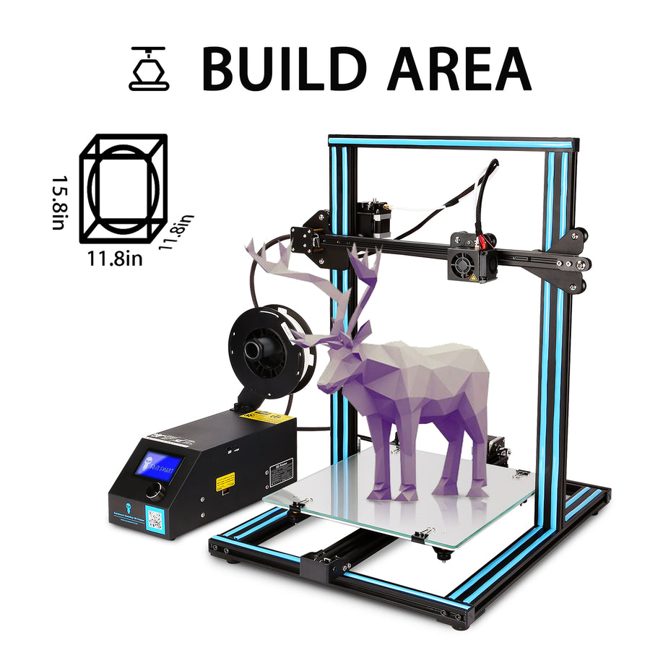
Creality CR-10 3D printerGuided fabrication · CAD + 3D printing

Creality CR-10

How we use this kit

A filament 3D printer for turning CAD designs into physical parts and exploring how design choices affect a finished build.

In classDesign robot brackets, wheels, enclosures, and other small parts in CAD, prepare a PLA print, then test the fit and improve the design. The instructor oversees printing and handles hot parts.
See printer details ↗
Tam Pham, owner and instructor of Engineered Fun
Founderand instructor

Meet your instructor

Tam Pham

Tam is the founder and instructor of Engineered Fun. He is an RF and digital electronics test engineer, a substitute teacher, and an adjunct professor of engineering at Anne Arundel Community College.

More about Tam

His professional experience spans defense electronics, semiconductors, automation, and aerospace systems. He holds a Master of Science in Systems Engineering, a Bachelor of Science in Electronic Systems Engineering Technology, and an Associate of Applied Science in Mechatronics.

Tam makes engineering approachable through hands-on projects that help students build, test, and troubleshoot.

View Tam's LinkedIn profile ↗

Learn from an engineer

Projects matched to your skill level

Build teamwork and leadership skills

An Engineered Fun exclusive

Talk to a Real...

Meet engineers, scientists, and technicians in person for career stories and student Q&A.

Ask about a guest presentation →
Who students can meet
PhysicistsScientists Electrical engineersMechanical engineers Systems engineersSoftware engineers Electronics engineersMarine engineers Engineering techniciansAnd more

Explore more

Extra Information

Why STEM matters

Why STEM matters

Skills for the world
students will enter.
What are mechatronics, electronics, engineering, and STEM?
Mechatronics

Brings moving parts, electronics, and computer programming together to make machines that sense, move, and respond.

Electronics

Uses circuits and components, such as sensors, LEDs, and microchips, to detect information, process signals, and control devices.

Engineering

Uses science, math, and creativity to solve practical problems. Engineers plan, build, test, and improve designs while working within limits such as cost, time, and materials.

STEM

Stands for Science, Technology, Engineering, and Mathematics. These subjects work together to help us understand how things work and create new solutions.

STEM: What is it and why is it important?
7.4%

Projected STEM job growthFrom 2025–2035, compared with 3.2% for non-STEM occupations.

$106,360

Median annual STEM wageMore than twice the 2025 median for non-STEM occupations.

Start early, choose later

Why an early STEM foundation helps

01

Keep future options open

02

Build problem-solving habits

03

Turn curiosity into projects

04

Grow confidence in STEM

Explore STEM careers

From classroom to career

What new STEM graduates can earn

Actual national average starting base salaries for Class of 2025 bachelor’s degree graduates:

Computer & Information Sciences$91,517

Average starting salary

Math & Statistics$82,231

Average starting salary

Engineering$81,518

Average starting salary

More than one destination

Industries built with STEM

College pathways

Where STEM can lead

Robots + automation$104K–$121K

Mechatronics & Robotics Engineer

Related 2025 median pay for mechanical and electrical engineers
Explore AACC pathways
AACC College pathway

A local next step
for curious builders.

How Engineered Fun helpsHands-on projects build technical skills, teamwork, and confidence for future STEM learning.
Engineered Fun merchandise

Engineered Fun gear

Wear the curiosity.
Make it yours.

White and navy T-shirts with the large full Engineered Fun logoAvailable now

T-shirts

Navy hoodie with the large full Engineered Fun logoAvailable now

Hoodies

Stacks of Engineered Fun logo, eFun logo, QR code, and Ping head stickersAvailable now

Stickers

Explore upcoming merchandise
Engineered Fun logo cups and tumblersComing soon

Cups & tumblers

Navy Engineered Fun logo lanyardComing soon

Lanyards & more

Navy and white pens with the new eFun logoComing soon

Pens

Engineered Fun logo enamel pinComing soon

Enamel pins

Future instructor & work-study opportunities

Be part of Engineered Fun

Teach and learn with Engineered Fun

For future instructors

Help curiosity grow.

Help teach hands-on STEM as our programs grow. Planned pay: $23–$28/hour, including preparation, setup, teaching, cleanup, and training.

Introduce yourself
For students

Work-study opportunities

Gain experience supporting STEM activities, project preparation, and demonstrations. Future placements depend on program needs and coordination with your school.

Ask about work-study

Family & organizer guide

Questions?
We’ve got answers.

Programs & students
Who can join?

Students in grades K–12. No experience is needed; projects adjust to each student’s ability.

What can we sign up for?

Inquire about Weekend Workshops, STEM Group Tutoring, STEM Adventure Events, or Engineering Exploration Days. Dates are confirmed with you.

How big are the groups?

Workshops and tutoring have up to six students. School and community events use rotating stations or class sessions.

Can we try a free session?

Yes. Request a free, two-hour session for a student and parent or caregiver. No purchase required.
Cost & planning
What do workshops and tutoring cost?

$249 per student for the first six-week series; $279 regular price. Two hours weekly, with classroom materials included. Payment plans are available.

Where are sessions held?

At a local library, the instructor’s home, or a student’s home. We confirm the venue before registration.

Can you visit our school or group?

Yes. Share the ages, group size, venue, and preferred date. We’ll tailor the activities and provide event pricing.

Do we need to buy kits?

No. Classroom kits are provided. We’ll let you know about any items to bring.

Attendance & support
Do parents need to stay?

Optional for workshops, and encouraged for the first class. A parent or caregiver joins the free family session.

What if we miss or cancel a session?

Contact us to arrange a make-up. For a full refund, give at least 72 hours’ cancellation notice.

Can you accommodate different learning needs?

Tell us your student’s interests and support needs so we can discuss suitable activities and arrangements.

Is there homework?

No assigned homework. Students are welcome to explore and bring questions.

Start here

What will they
engineer next?

Choose a topic and leave your email. We’ll follow up with you.

I’m interested in (choose any)
What would you like to learn? (optional, choose any)

We’ll follow up with you by email.

Curious?
Click me.
Ping, the Engineered Fun robot