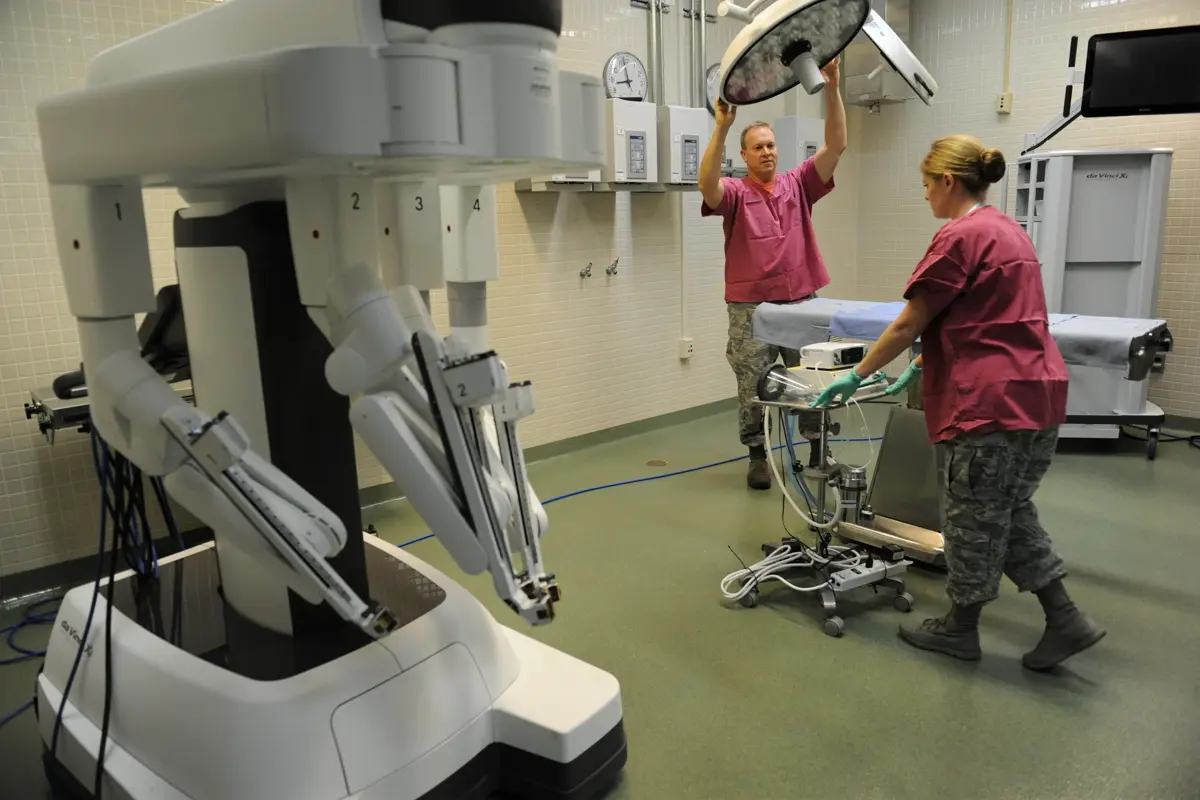
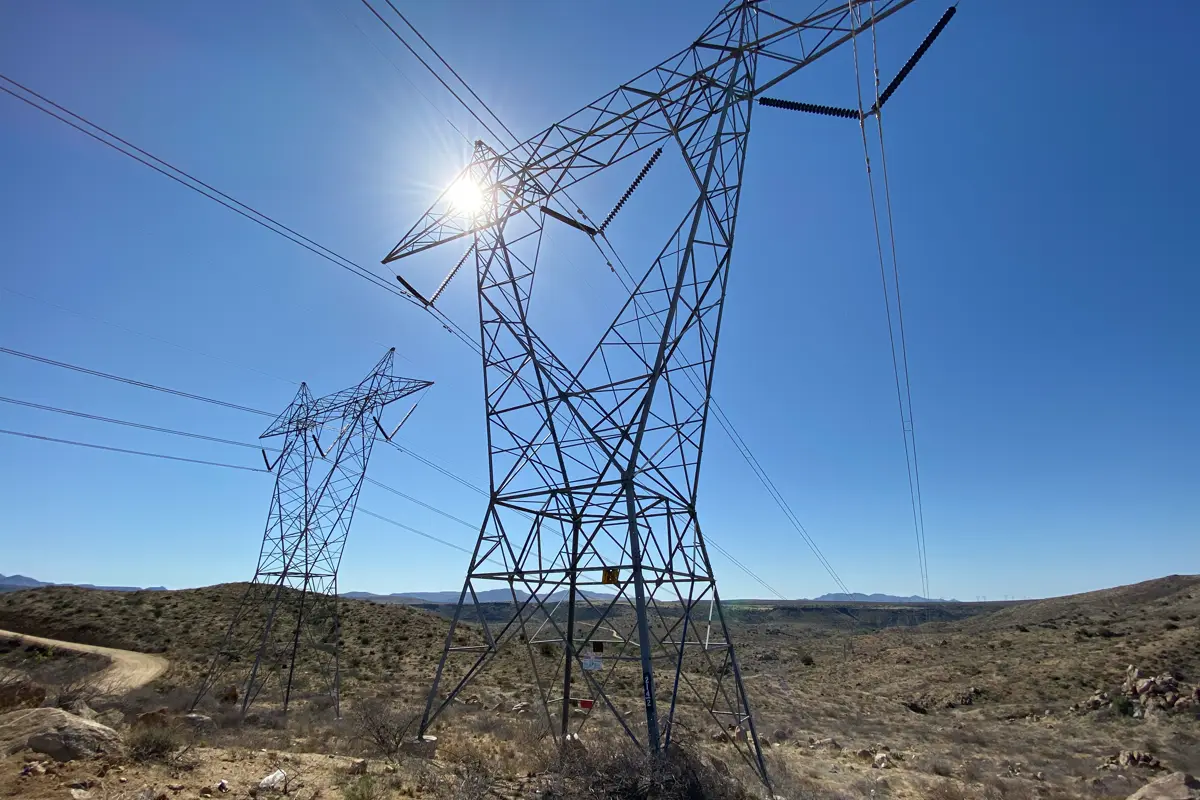
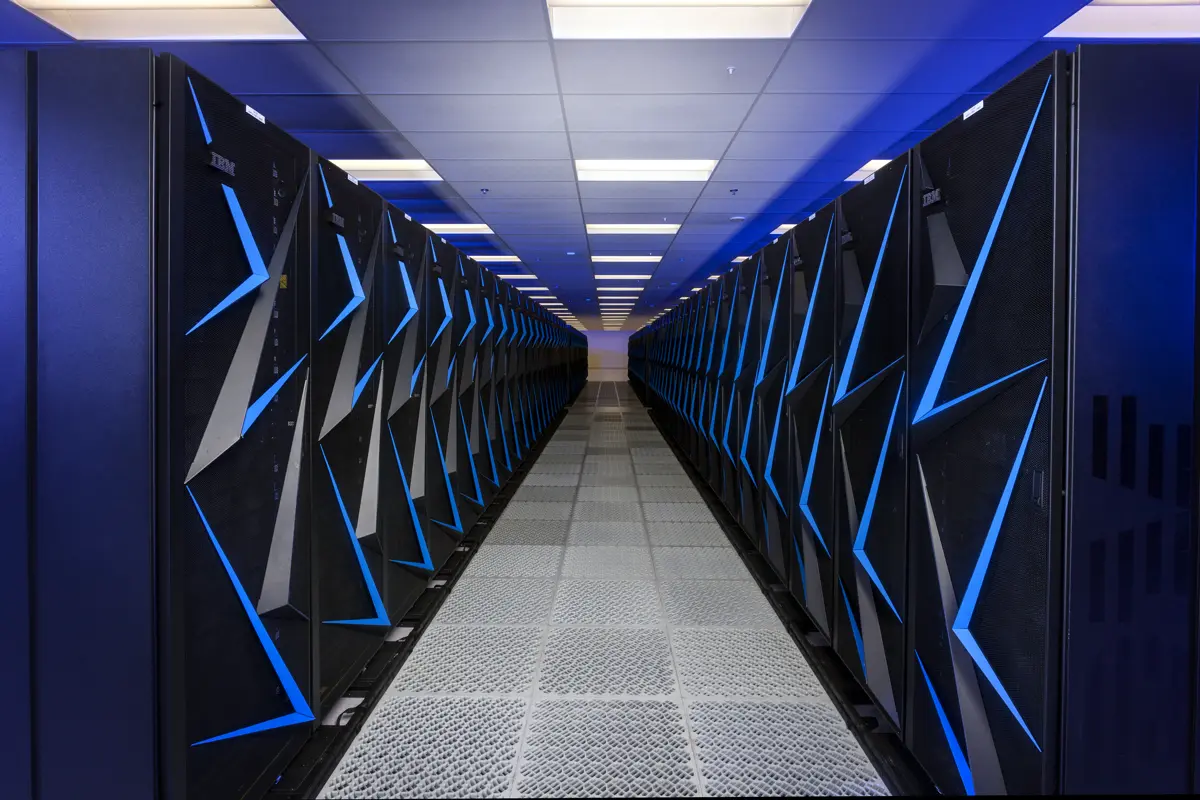
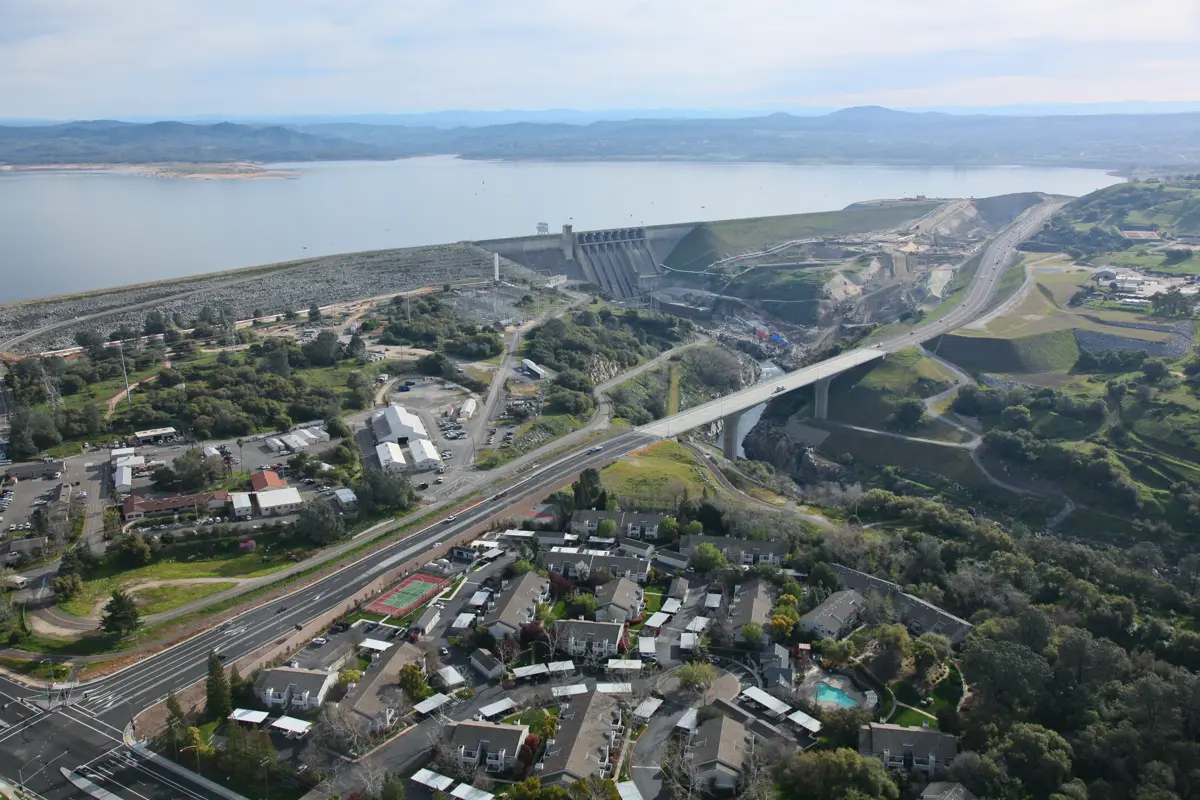
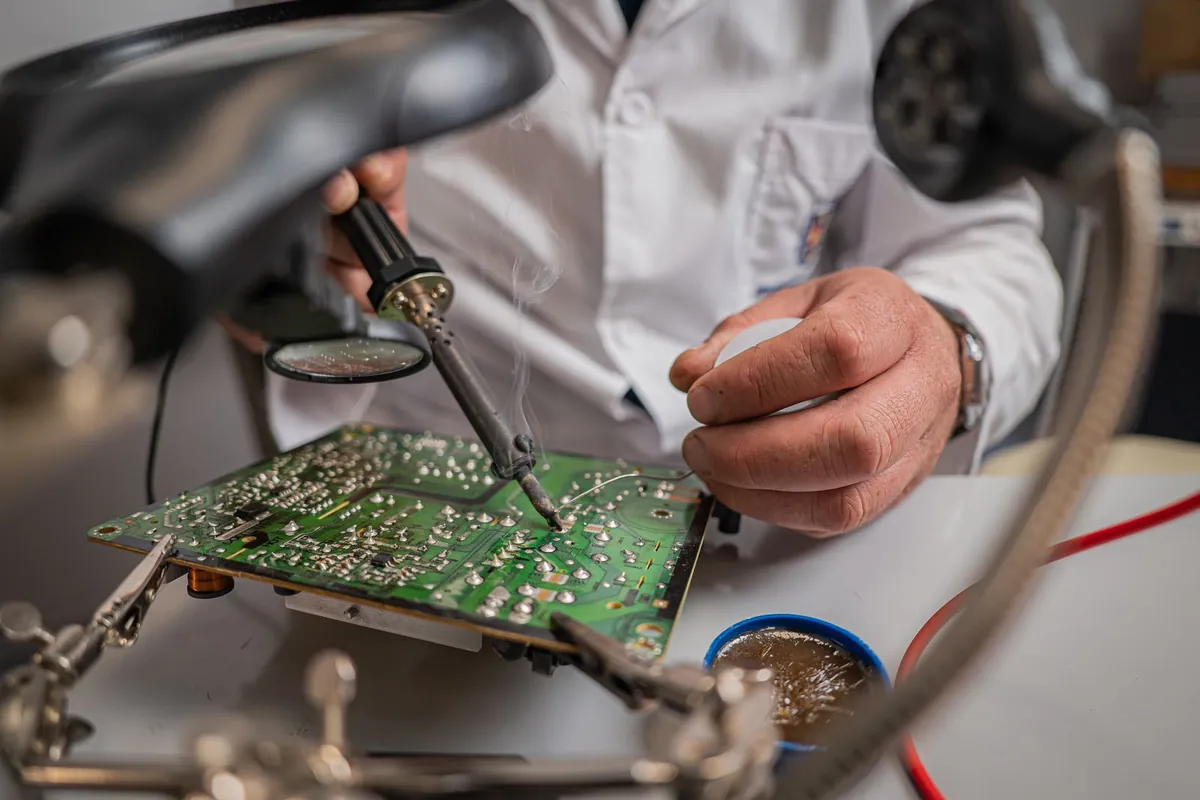
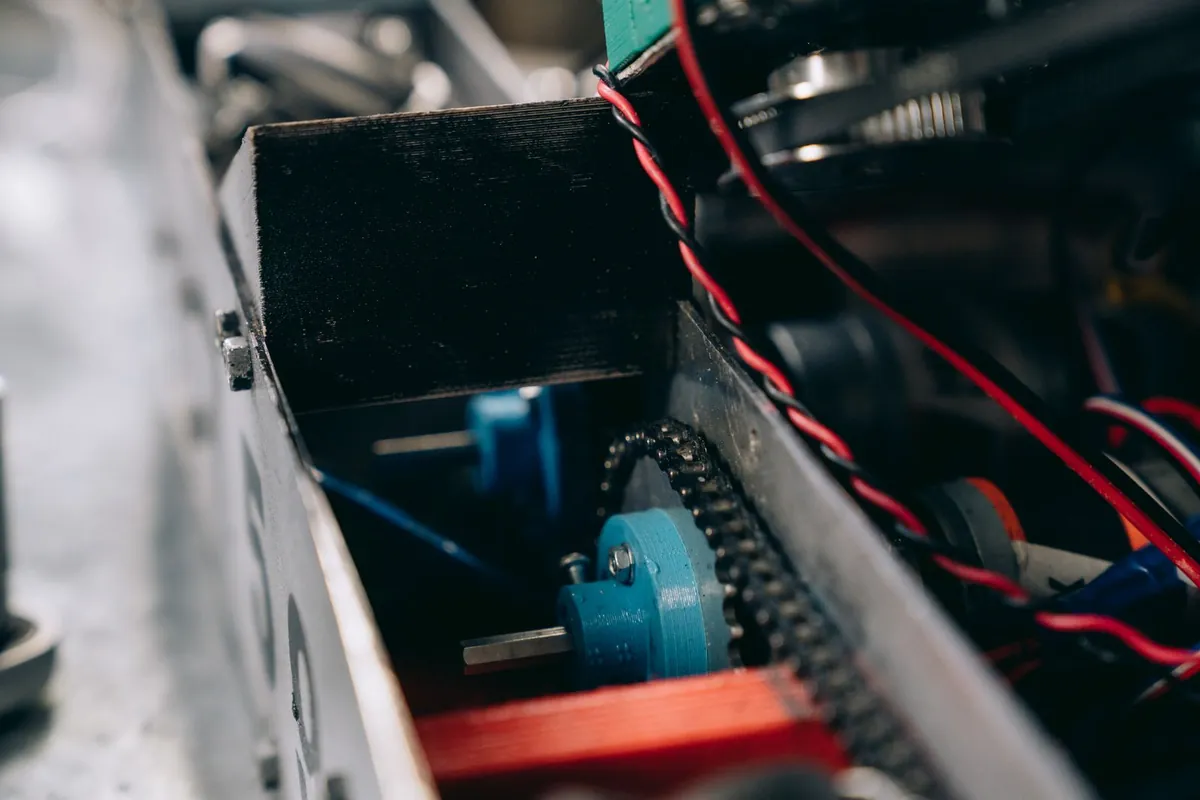
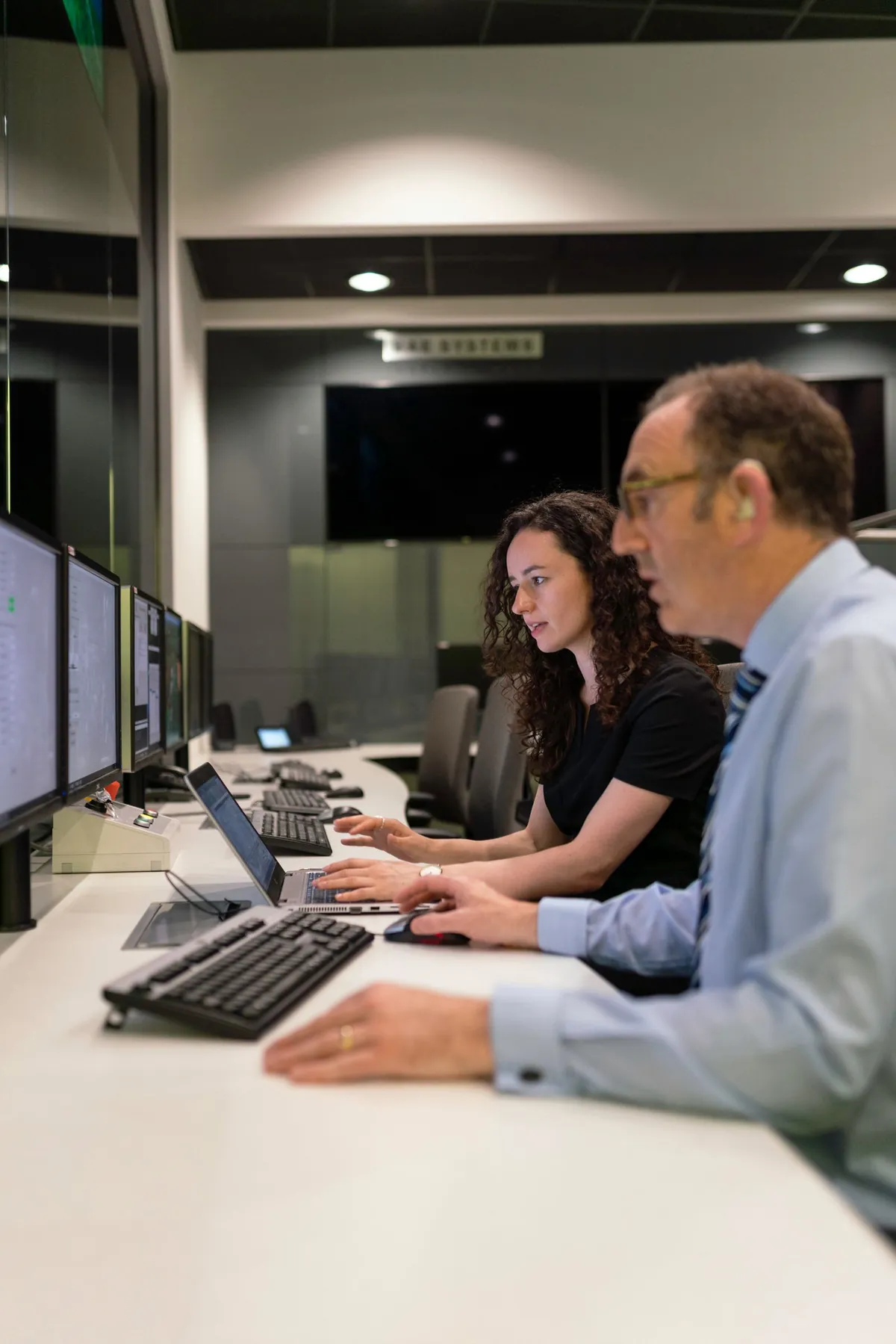
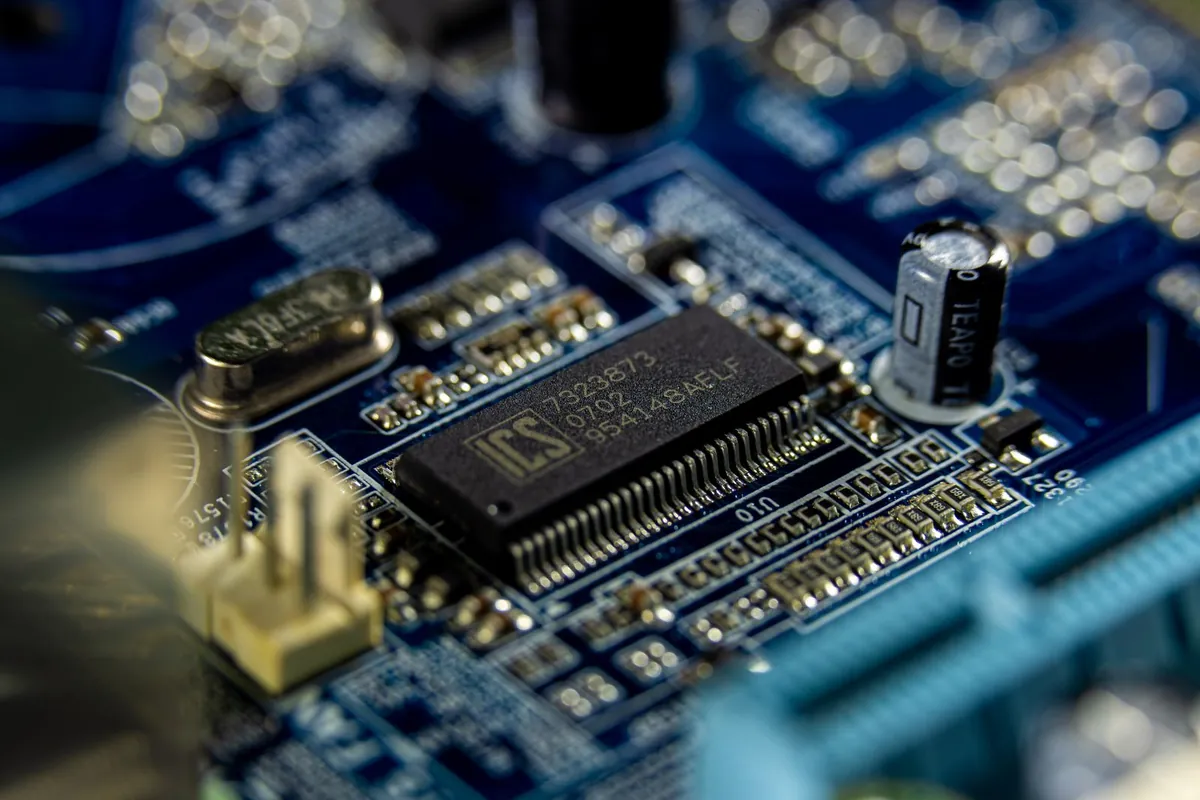
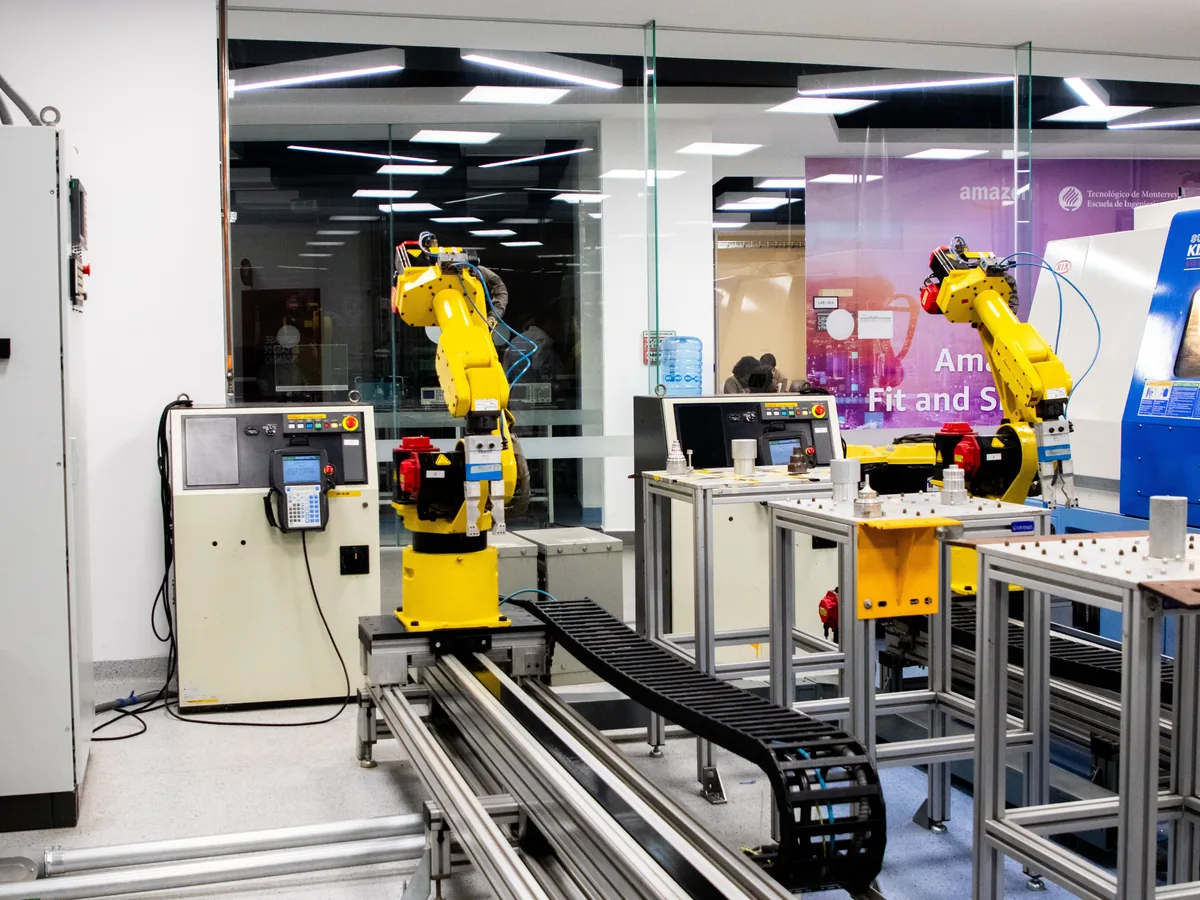
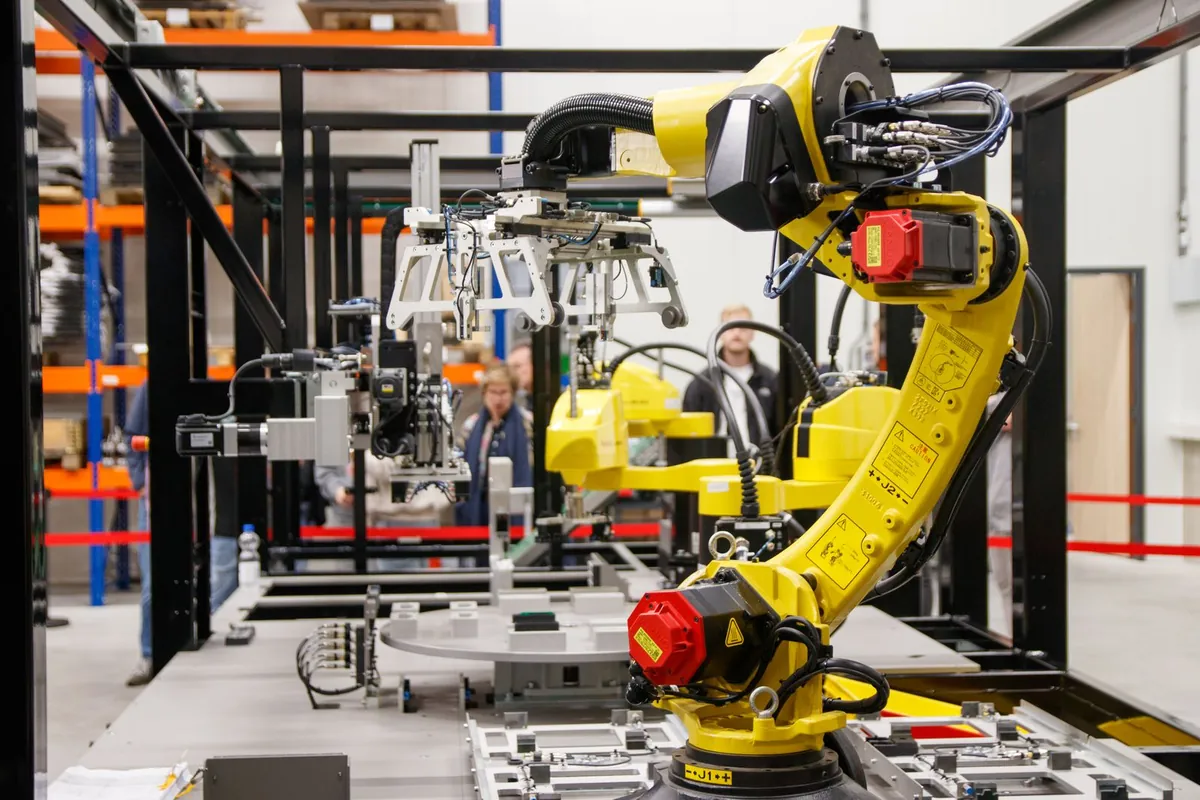
Ever wonder how an automatic door knows you’re there, a roadside sign measures your speed, or a thermostat knows when to turn on the heat? STEM helps you discover what makes everyday things work.
At Engineered Fun, students in grades 5–12 explore those ideas through hands-on projects with circuits, sensors, motors, and code. We make big ideas approachable, and some activities use little or no math.
Serving Anne Arundel County, Maryland and nearby areas.
Weekend Workshops are in development, with a possible 2027 launch. Specific dates aren’t set yet; contact us to hear when plans are ready.
01
⚡
Targeting 2027
Weekend Workshops
Projects will follow students’ interests. They might build practical circuits with a Snap Circuits kit or assemble and code an ELEGOO robot.
WhereA local library, the instructor’s home, or a student’s home for the first workshops. Engineered Fun Lab will be an option after a dedicated location opens.
Six-week project seriesMeet once a week for two hours, 12 hours total. Each session introduces a skill, then gives students time to build, test, troubleshoot, and improve a project that develops across the series. The final session includes a chance to share what they made.First series: $249 per student · Regular price: $279 · Materials included
Bring a Windows laptop. Classroom materials are included.
02
∑
By request
STEM Subject One-on-One Tutoring
Personalized support for grades 5–12 in math, science, coding, and engineering fundamentals.
ForStudents who want clearer explanations, guided practice, or help connecting school topics to practical examples.
Focused one-on-one supportMeet individually with an instructor for targeted explanations, guided practice, and a pace matched to the student’s learning goal.
03
∑
By request
STEM Subject Group Tutoring
Small-group support for grades 5–12 in math, science, coding, and engineering fundamentals.
ForFriends, classmates, or siblings who want to learn together and build confidence through shared problem-solving.
Collaborative supportWork in a focused group with guided explanations, practice, and examples that connect school topics to real projects.
Explore future programs
04
⚙
Coming soon
After-School Classes
Weekly projects will build a foundation in design, mechanisms, circuits, sensors, and programming.
WhereA student’s home. Engineered Fun Lab will be an option after a dedicated location opens.
Three-week project seriesMeet twice a week on weekdays for two hours per session: six sessions and 12 hours total. A short concept demonstration leads into guided building and testing. Each meeting adds a part or capability to a continuing project, with time to troubleshoot and share progress.
Launching as Engineered Fun grows.05
☀
Coming soon
Summer Camps
Immersive project weeks will combine engineering challenges, mechatronics, teamwork, and friendly competition.
WhereA student’s home. Engineered Fun Lab will be an option after a dedicated location opens.
One-week day campMeet Monday through Friday for five three-hour sessions, 15 hours total. Students work on one project through the week: plan a design, build and code it, test and refine it, then demonstrate the result on the final day.
Dates and registration details are still being planned.06
✦
Coming soon
School Partnerships
Flexible engineering and electronics programs will serve schools, homeschool groups, youth organizations, and events.
WhereAt the partner school after school hours.
Two- or four-week after-school programChoose four weekday sessions per week for two weeks, or two weekday sessions per week for four weeks. Both options include eight two-hour sessions at the partner school, 16 hours total. Students learn a concept, build and test a project, then improve it across the series.
Launching as Engineered Fun grows.
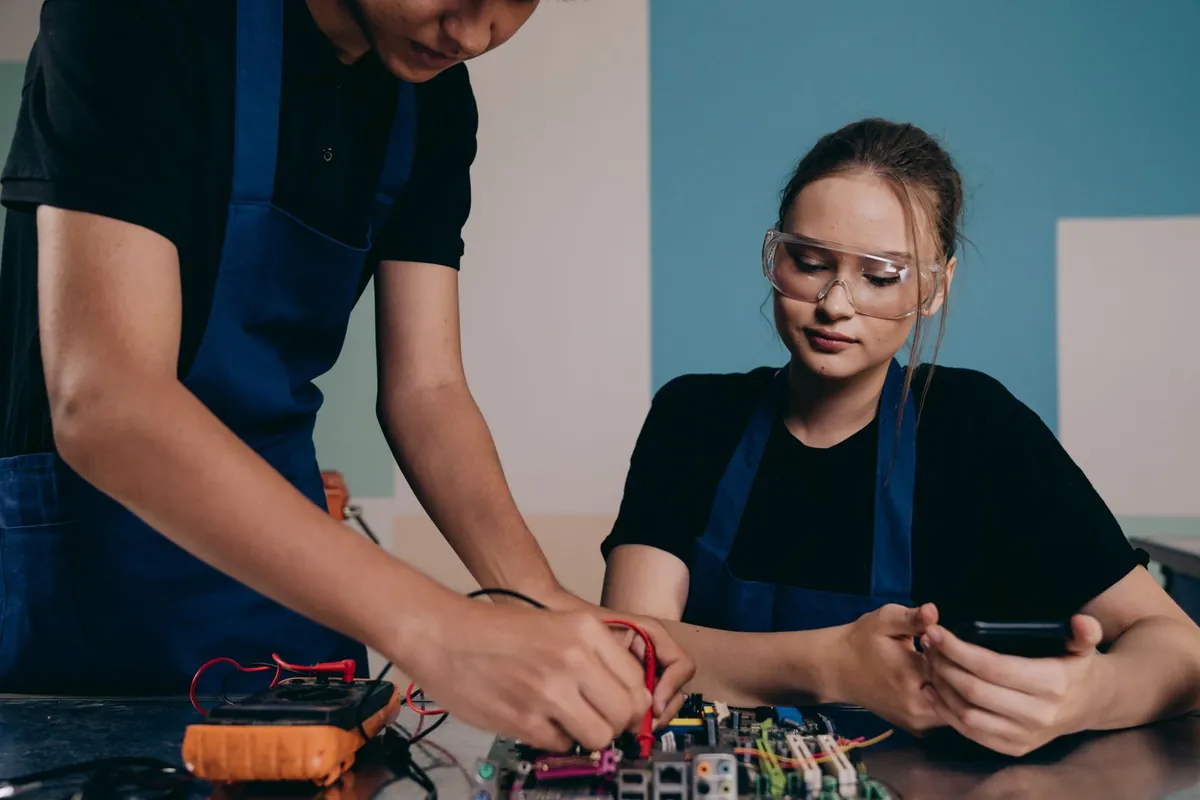
Photo illustration: Vanessa Loring / Pexels. Students pictured are not Engineered Fun participants.
2HOURSTHINK TOGETHER
⚙⚡✦
Try Engineered Fun
A free session for curious families.
Bring your child for a free, two-hour engineering session for parents and children. You’ll build, test, and improve a project together while seeing how Engineered Fun makes engineering approachable.
For grades 5–12Students and a parent or caregiver build side by side.
What you’ll experienceEngineering design, circuits, mechanisms, sensors, and problem-solving.
No purchase requiredRequest a time and we’ll confirm the schedule, age range, and location.
Project examples include circuits, code, robotics, CAD, and automated systems. Students can follow their interests as they build, test, and improve.
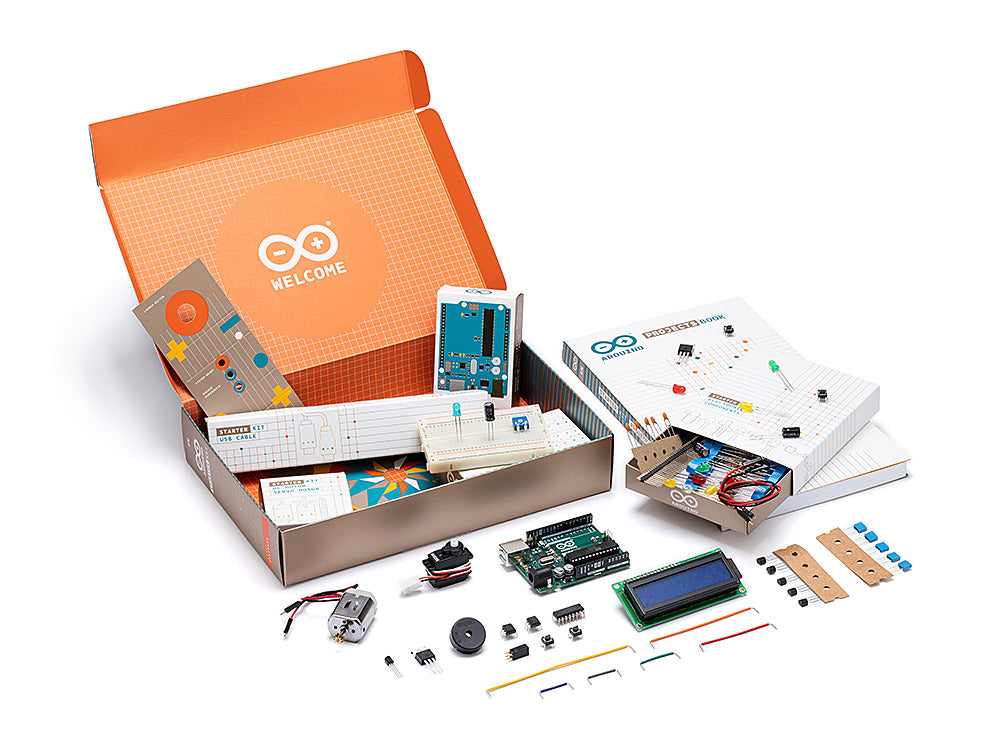
Arduino · Circuits + code
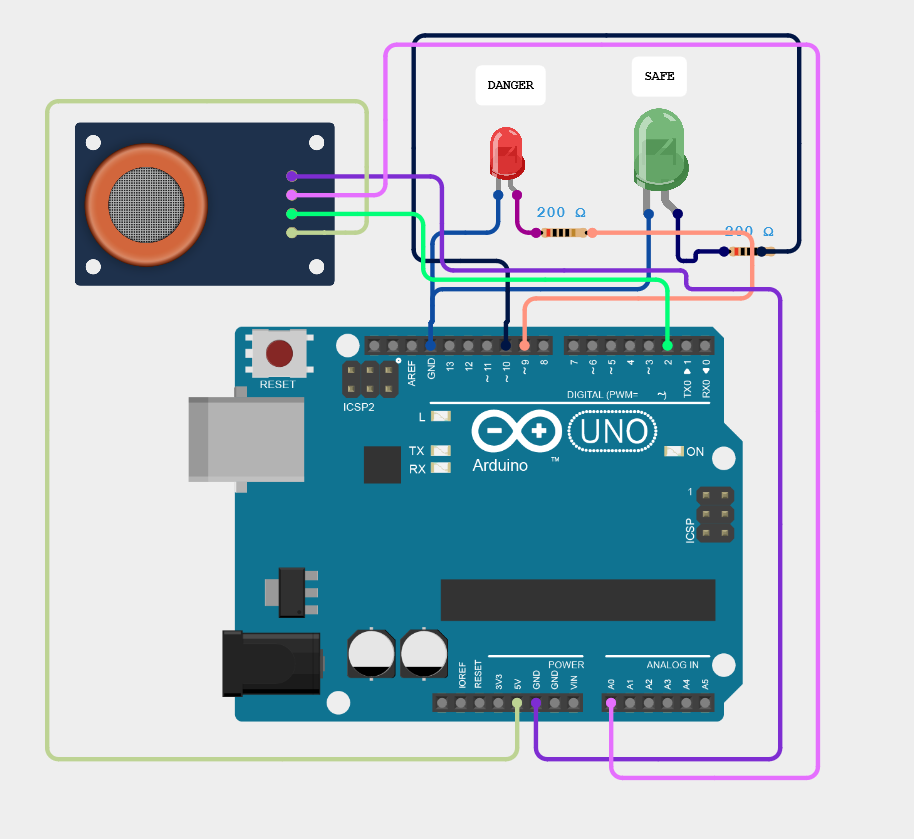
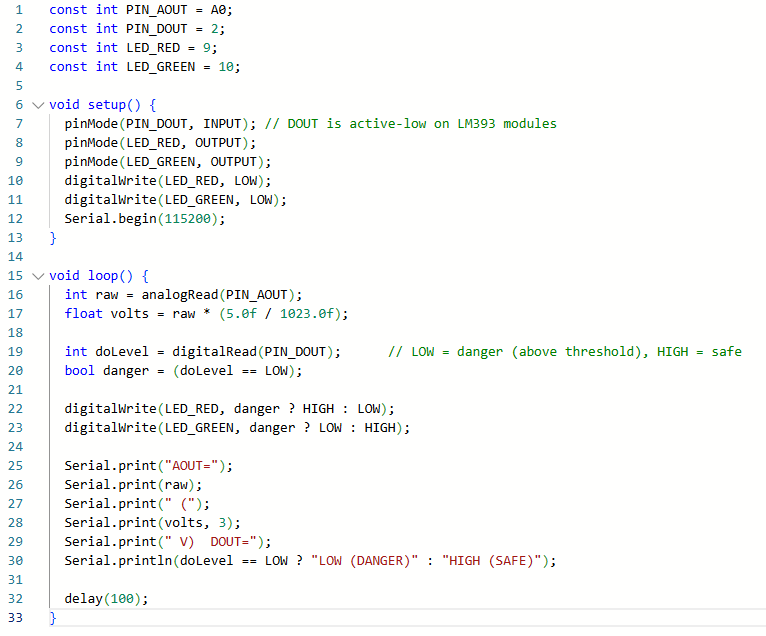
Sensor Safety Indicator
Read a sensor signal, show a safe or danger state, and control the matching green or red light.
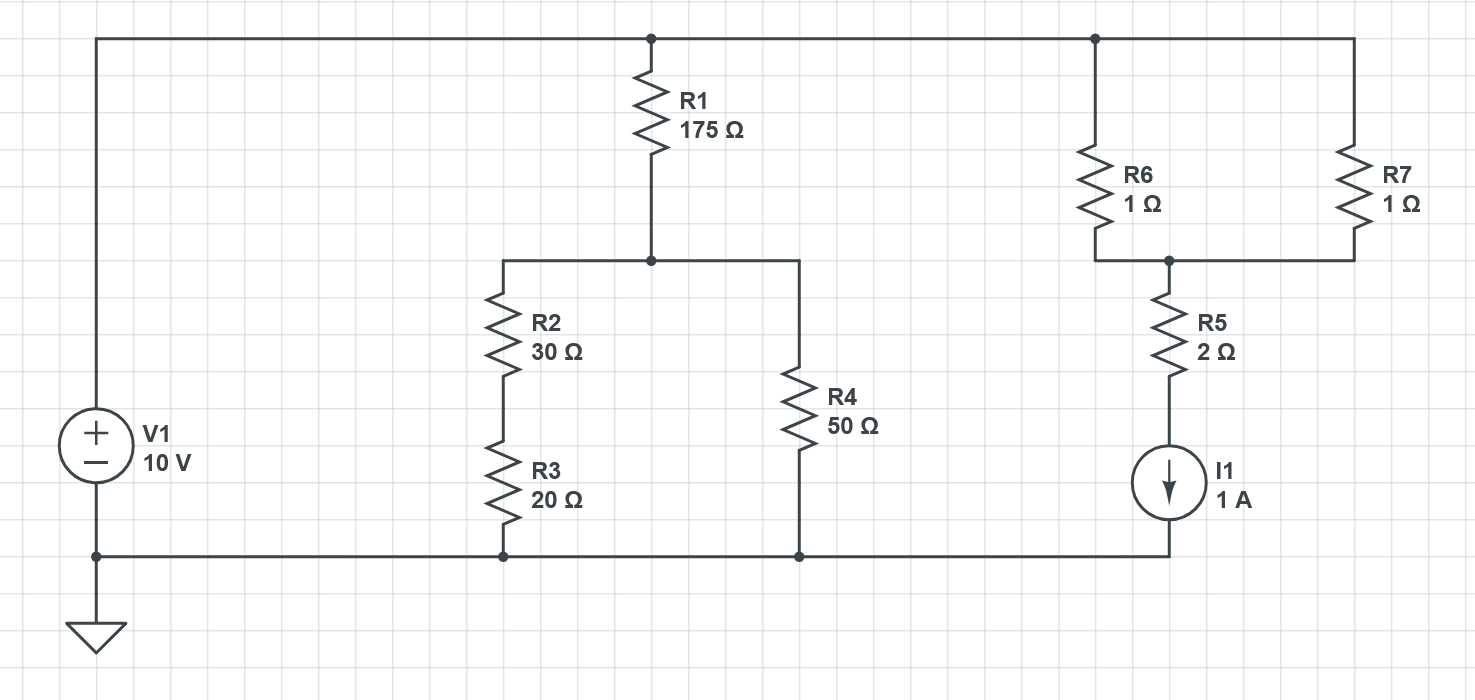
Electronics · Series + parallel
Series-Parallel Circuit
Explore how components behave when a circuit combines series and parallel paths, then predict and test how the circuit will respond.
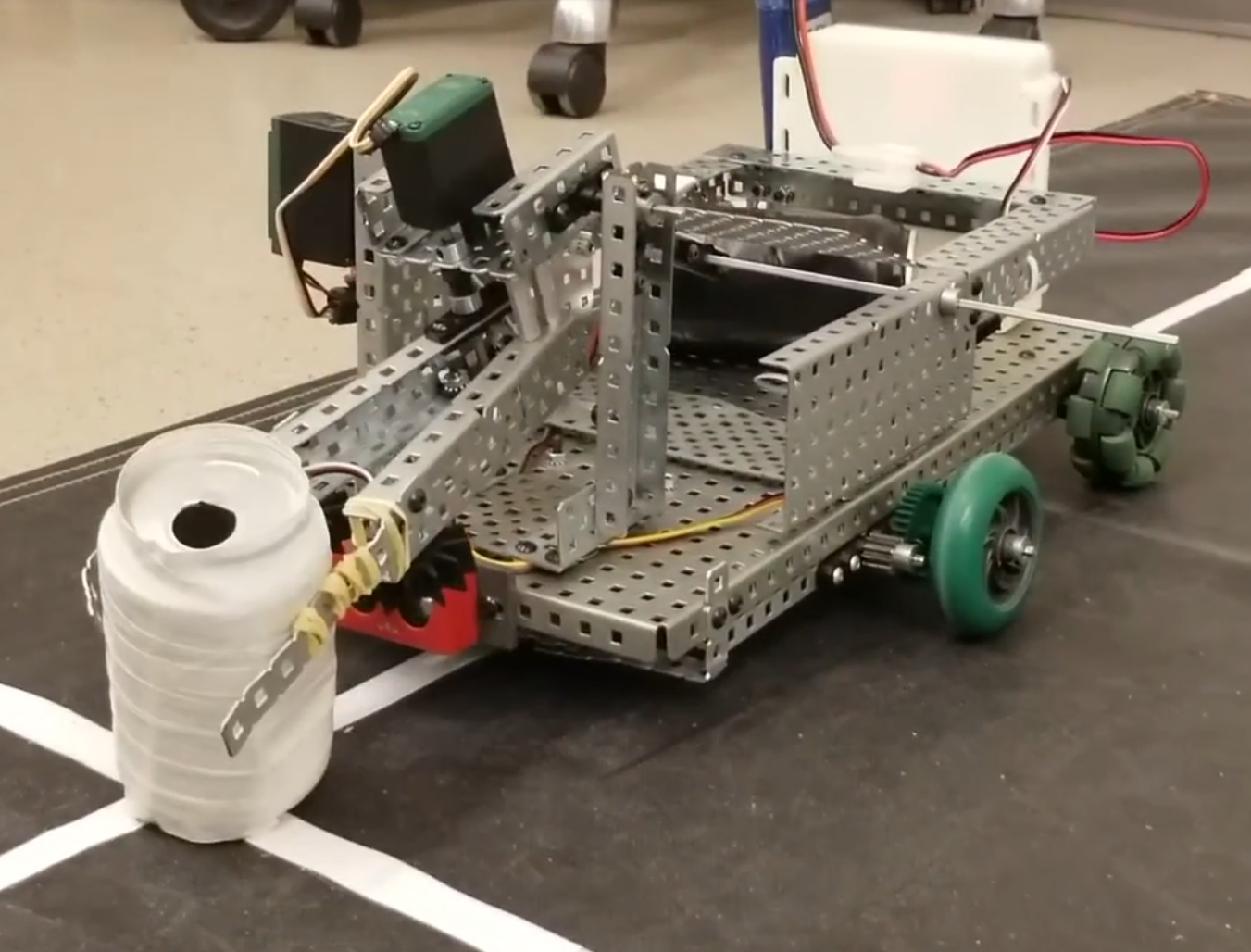
Robotics · Mechanics + control
Robot Mechanism Challenge
Build and test a mobile robot, then see how its frame, drive system, and mechanism affect what it can do.
Show more projects
Arduino · Sensors + coding
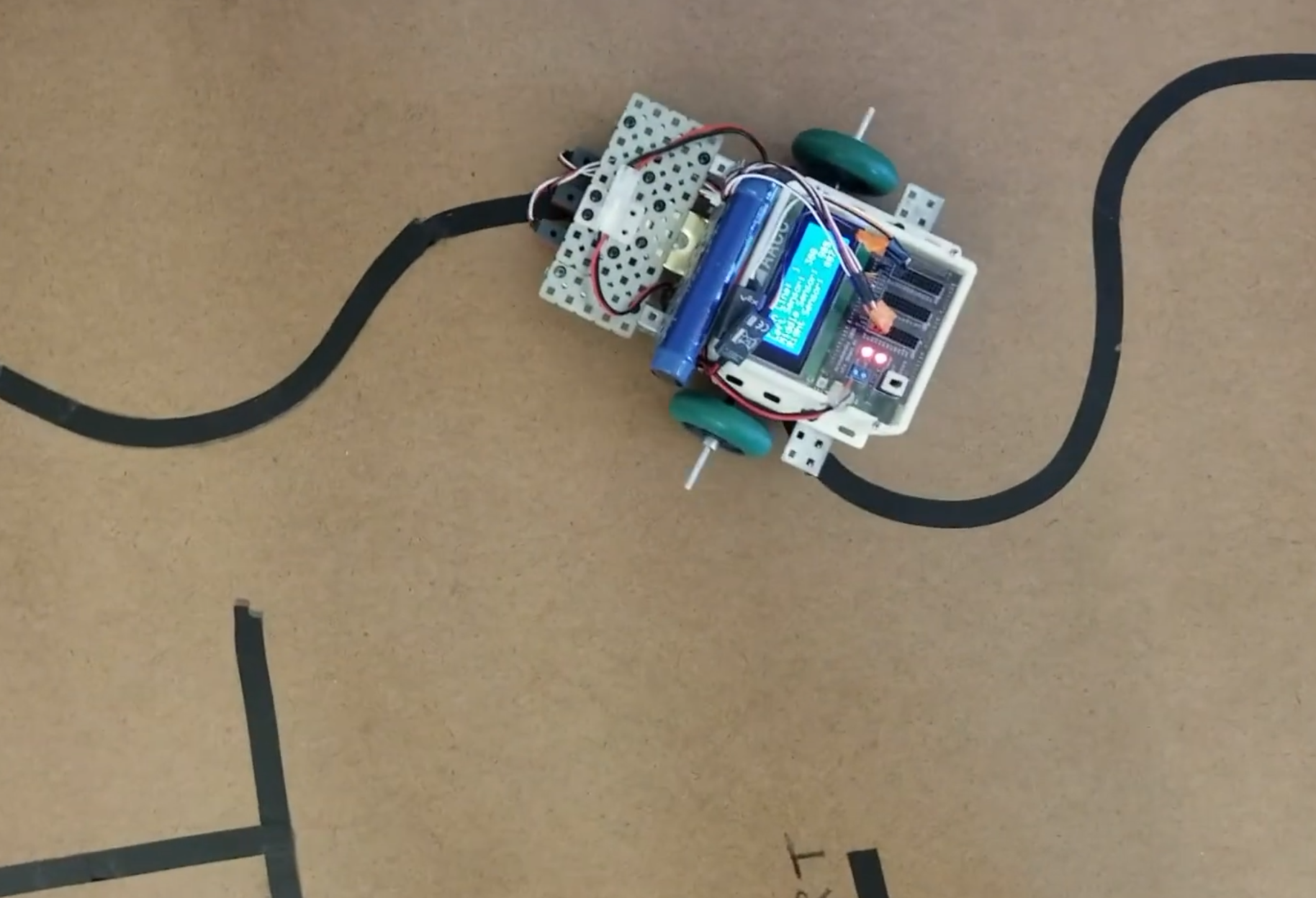
Line-Following Robot
Program a robot to sense a marked path and adjust its motors to follow the line.
Automation · Sensors + control
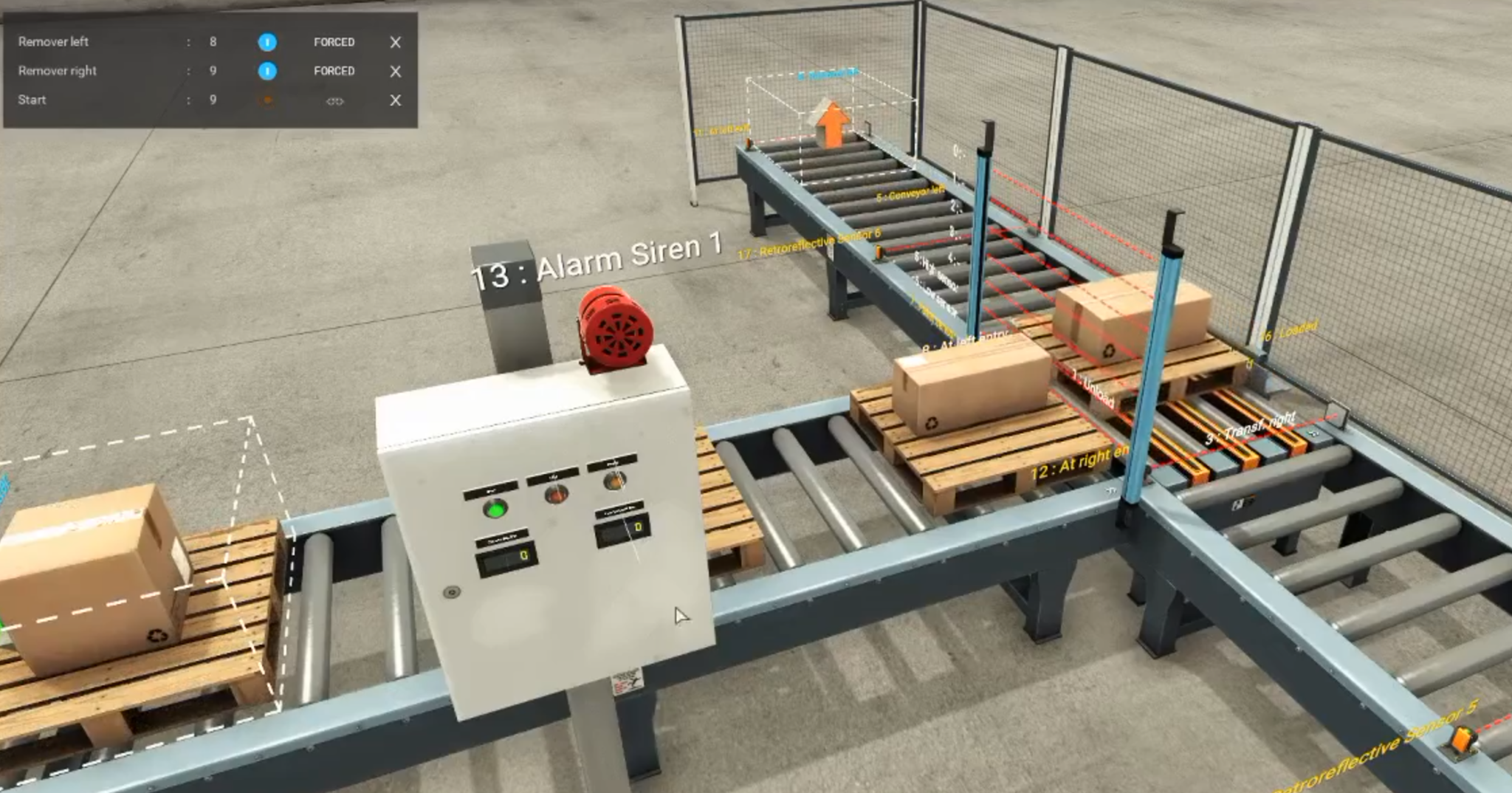
Conveyor Automation
Coordinate sensors, conveyor sections, and alerts as packages move through an automated system.
CAD · Mechanical design
Motorized Mechanism
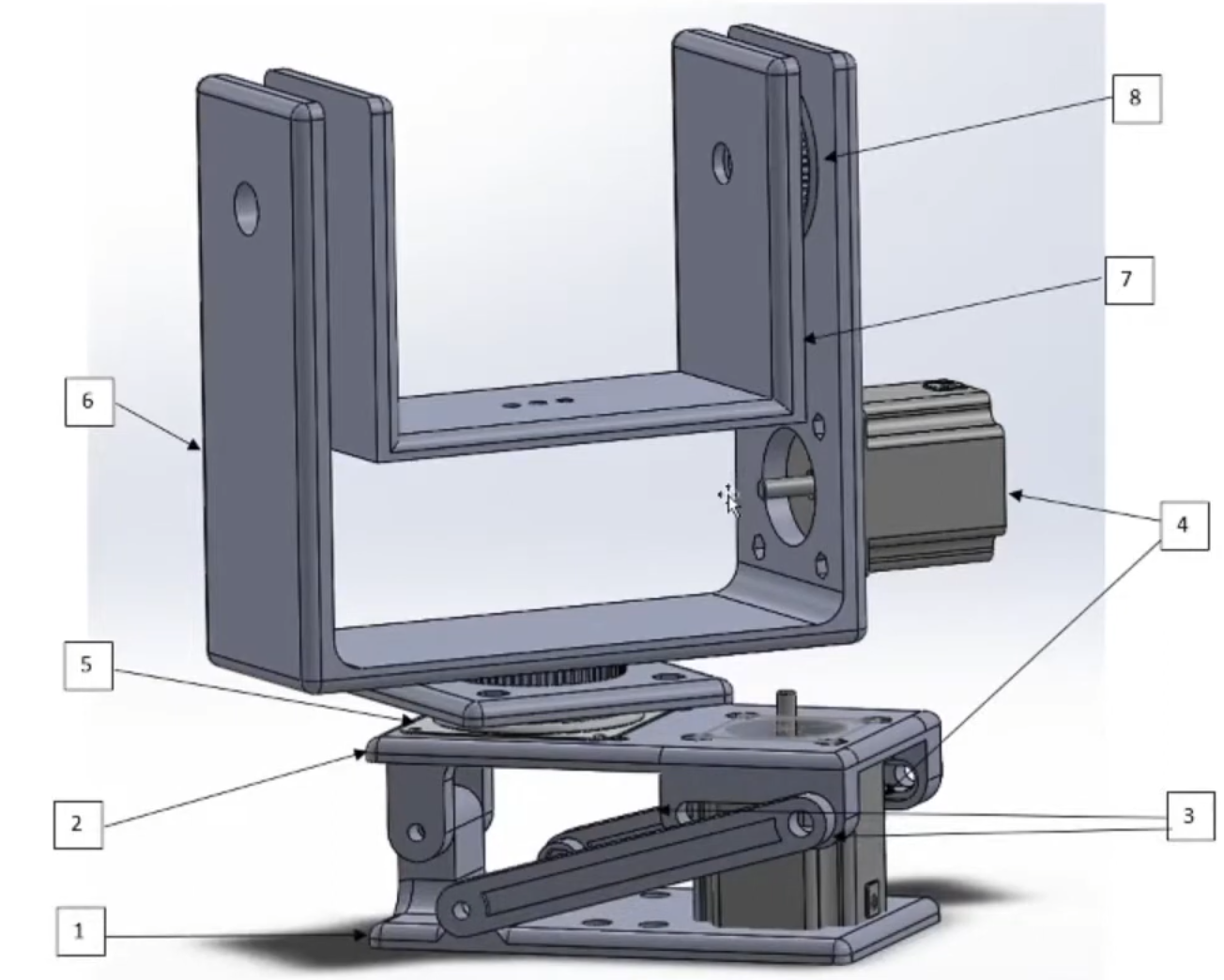
Create and refine a mechanical assembly, then explore how a motor and linkages can produce movement.
Programming & automation
Learn to code through games.
Make a farm run itself. Give a robot instructions. Solve a puzzle with logic. Engineered Fun uses video game challenges to help students explore programming, automation, and problem-solving with instructor guidance.
Python-like code · Farm automation
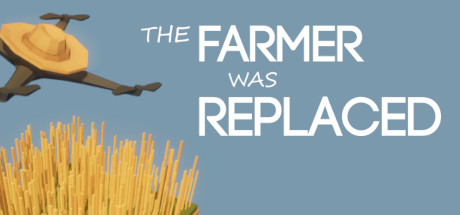
The Farmer Was Replaced
Program a drone to plant, tend, and harvest crops. Start with a small task, then improve your code as the farm grows.
Loops & conditions
Functions
Efficiency
Inside a guided challenge
Challenge: Automate a row of crops, then reuse your instructions across a larger field. Test the result, find what went wrong, and improve it.
Coding approach: A simplified language similar to Python, with concepts that carry over to other programming projects.
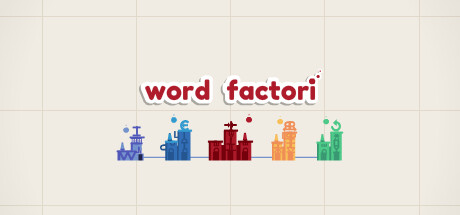
Build automated factory chains that turn the letter “i” into other letters and words. Experiment with bending, rotating, reflecting, and combining shapes.
Logical thinking
Sequences
Optimization
Inside a guided challenge
Challenge: Create a factory chain that makes a target letter, then connect chains to build a short word. Compare different recipes and improve your layout.
Coding approach: Visual factory puzzles develop sequencing, automation, and computational thinking through connected processes rather than typed code.
Game artwork and titles belong to their respective owners. Links lead to the games' official Steam store pages.
Our classroom toolkit
Tools students use to make ideas real.
These reusable kits are selected for Engineered Fun classes. Families do not need to buy them. Students use the kits with instructor guidance to build, test, and improve projects.
Ages 8+ · Electronics
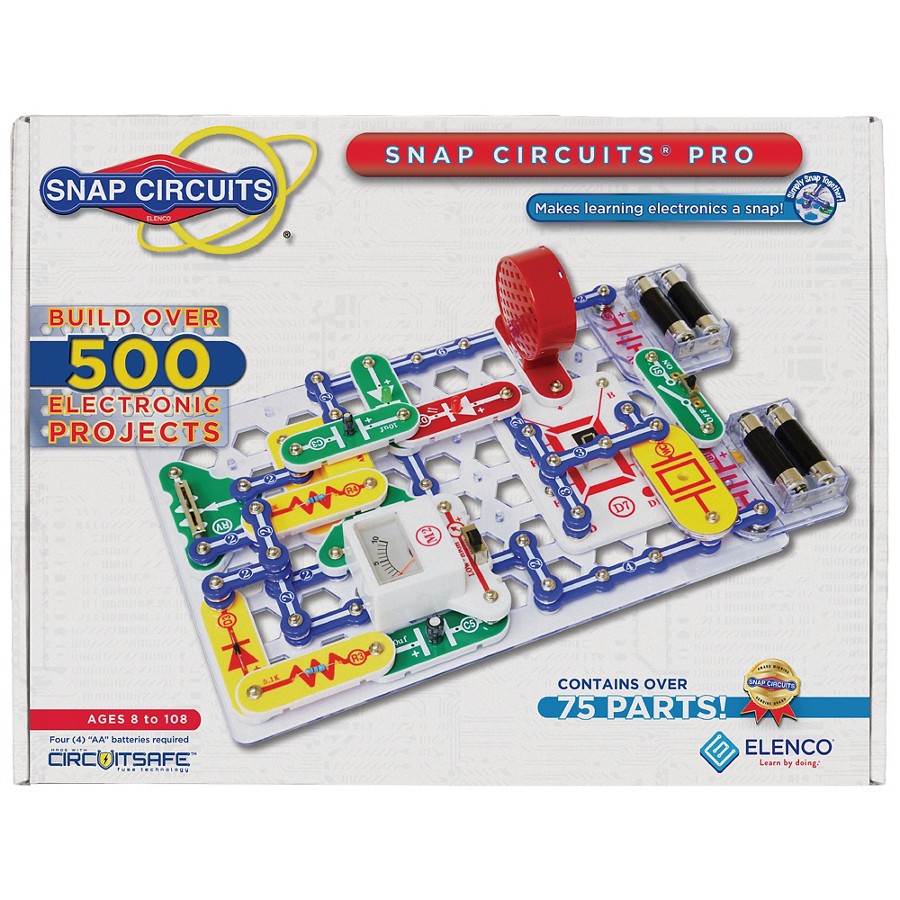
Snap Circuits Pro
How we use this kit
More than 75 color-coded, snap-together parts support over 500 hands-on electronics projects.
In classBuild a circuit, predict what will happen, then troubleshoot it when the behavior changes.
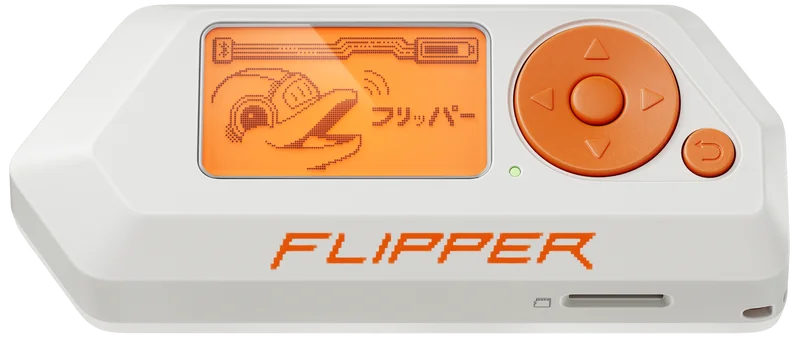
A pocket-sized tool for exploring infrared signals, RFID and NFC tags, and electronics through its GPIO pins.
In classLearn how a remote sends commands, explore classroom NFC tags, and connect simple circuits with instructor guidance. Activities use classroom equipment and tags we own or have permission to test.
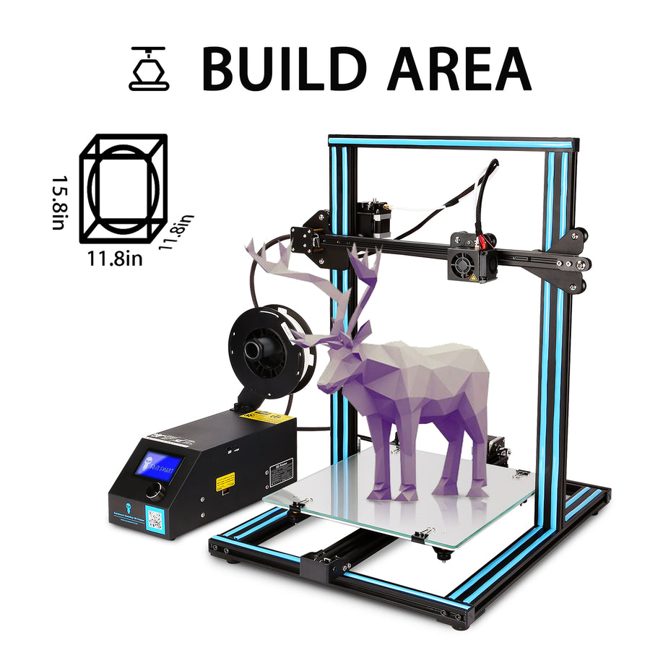
A filament 3D printer for turning CAD designs into physical parts and exploring how design choices affect a finished build.
In classDesign robot brackets, wheels, enclosures, and other small parts in CAD, prepare a PLA print, then test the fit and improve the design. The instructor oversees printing and handles hot parts.
Brand names, images, and links are provided for classroom planning only. Engineered Fun is independent and is not sponsored by or affiliated with these manufacturers. All kits are used with age-appropriate supervision; no paid subscription is required for the core classroom activities.
How engineers solve problems
The Engineering Design Process.
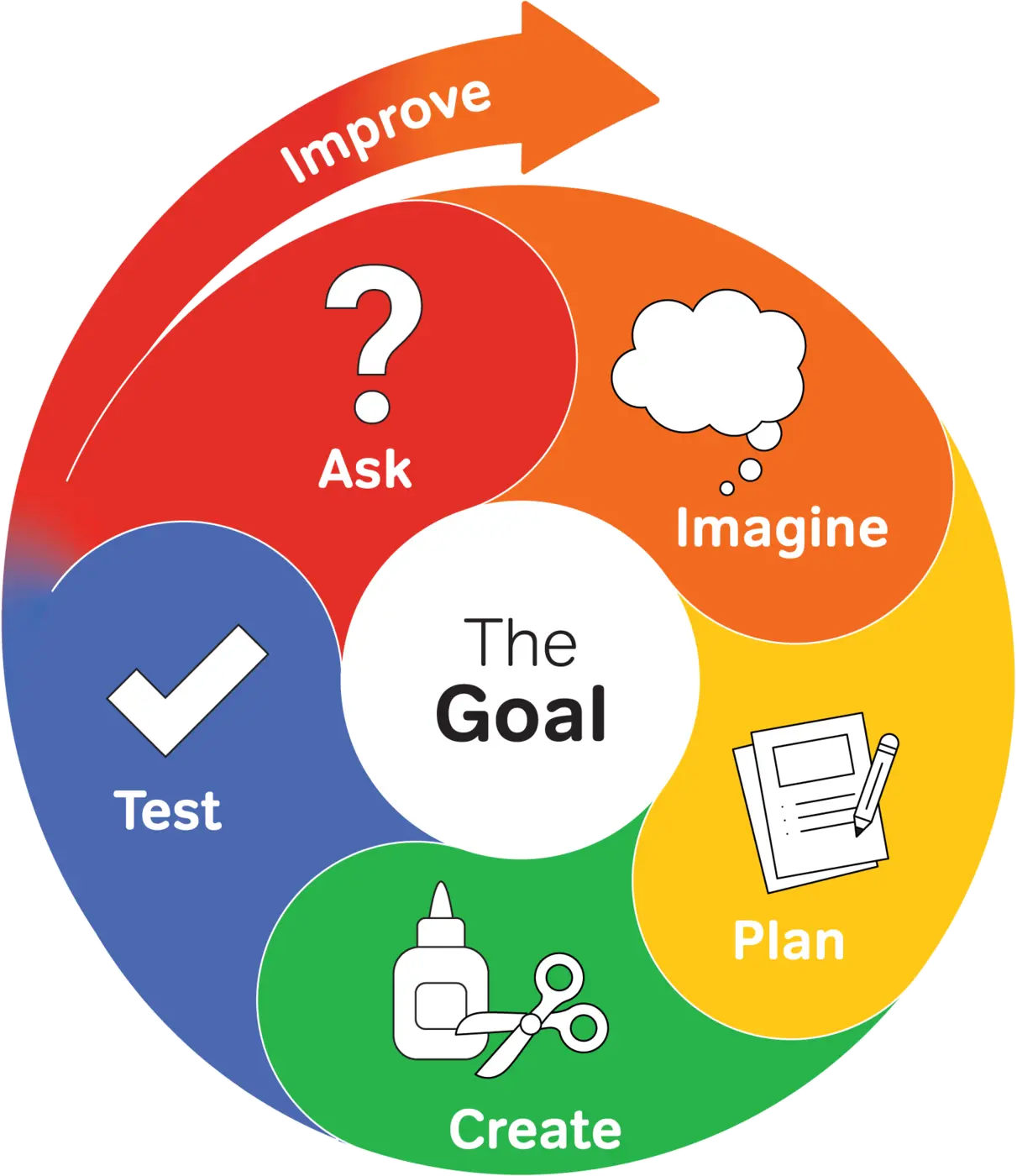
A good first idea rarely becomes the final design. This repeatable process helps students turn questions into tested solutions while building persistence, teamwork, and sound judgment.
The six steps explained
01
Ask
Understand the problem, the goal, and the limits.
02
Imagine
Explore several ideas and learn from others.
03
Plan
Choose an approach, sketch it, and gather materials.
04
Create
Build a working prototype that can be evaluated.
05
Test
Collect evidence, find problems, and compare results with the goal.
06
Improve
Use what was learned to make the design better.
The process is a cycle. Students can return to an earlier step whenever testing reveals a better path.
Why Engineered Fun
Independent by design. Personal by nature.
Engineered Fun is owner-led, so the learning experience can respond to students, families, and local partners without following a corporate playbook.
01
Curriculum that can evolve
Projects and pacing adapt to students’ interests, progress, and new questions.
02
Projects chosen for learning
Reusable classroom kits teach practical skills. No kit purchase or subscription is required.
03
Real engineering perspective
Learn from an active engineer, substitute teacher, and AACC CAD instructor.
04
Flexible for your community
Programs can be shaped for families, schools, homeschool groups, and local communities.
Why we stay independent
Engineered FunOwner-led curriculum • Flexible projects • Local relationships • Direct instructor feedback
Franchise modelMay include corporate curriculum, approved materials, licensing rules, territory requirements, and brand standards.
This is not a criticism of every franchise. It is the reason Engineered Fun stays independent: to keep decisions close to students and families.
Founderand instructor
Meet your instructor
Tam Pham
Tam is the founder and instructor of Engineered Fun. He is an RF and digital electronics test engineer, a substitute teacher, and an adjunct professor of engineering at Anne Arundel Community College.
More about Tam
His professional experience spans defense electronics, semiconductors, automation, and aerospace systems. He holds a Master of Science in Systems Engineering, a Bachelor of Science in Electronic Systems Engineering Technology, and an Associate of Applied Science in Mechatronics.
Tam makes engineering approachable through hands-on projects that help students build, test, and troubleshoot.
Students build technical skills alongside communication, collaboration, social confidence, leadership, problem-solving, and persistence. These skills help them in school, work, and everyday life.
Career guidance
Tam can help students explore career paths that fit their interests, connect those paths to college and training options, and map practical next steps to get there.
Career conversations
Talk to a Real...
Career conversations are arranged on request. Students can suggest professionals they would like to meet and vote on who interests them most.
In-person conversations are preferred, with virtual visits as an option. Students can ask about the work, the tools, the classes, and a typical day on the job.
PhysicistsScientistsElectrical engineersMechanical engineersSystems engineersSoftware engineersElectronics engineersMarine engineersEngineering techniciansAnd more
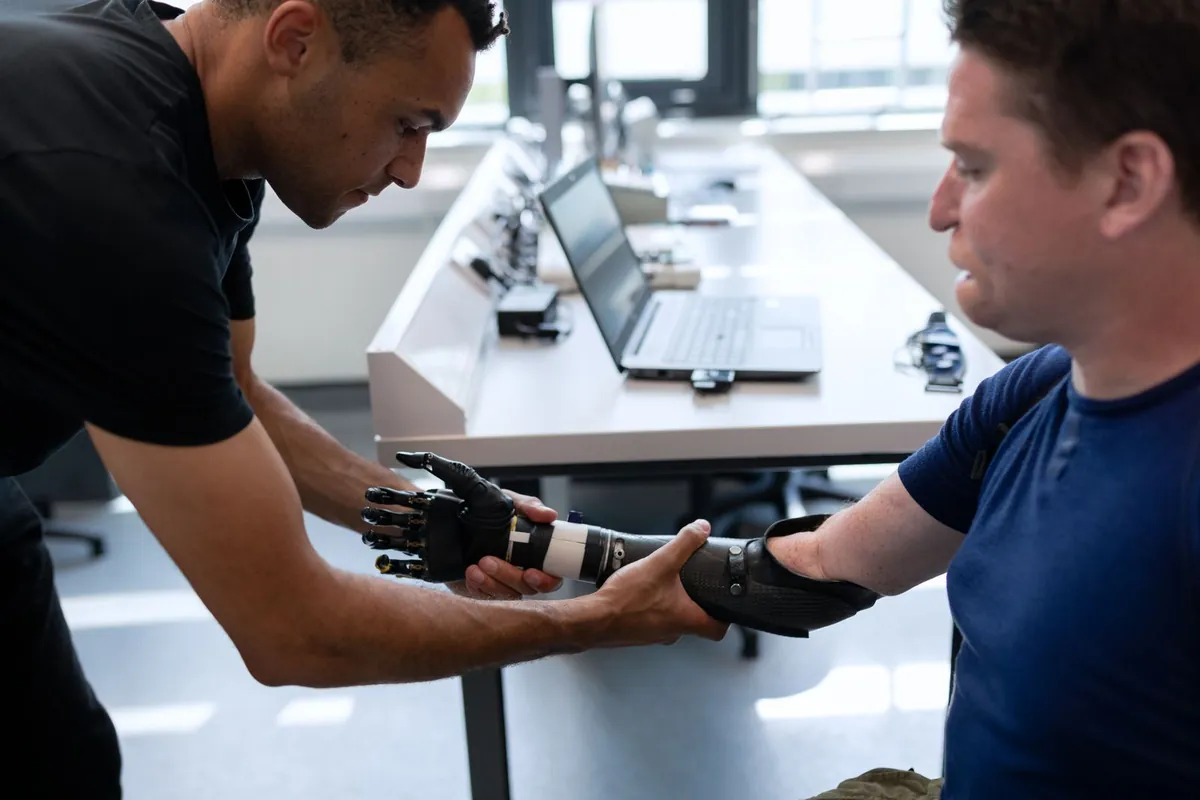
Illustrative stock photo: Vanessa Loring / Pexels. People pictured are not Engineered Fun guests or students.
Why STEM matters
Skills for the world students will enter.
Science, technology, engineering, and math shape automation, artificial intelligence, clean energy, medicine, aerospace, and advanced manufacturing. STEM teaches students to solve unfamiliar problems instead of just memorizing answers. At Engineered Fun, everyday analogies and hands-on exploration make challenging engineering ideas approachable. Some activities use little or no math.
What are mechatronics, electronics, engineering, and STEM?
Big words, familiar ideas. Here’s how they connect to things you see every day.
Mechatronics
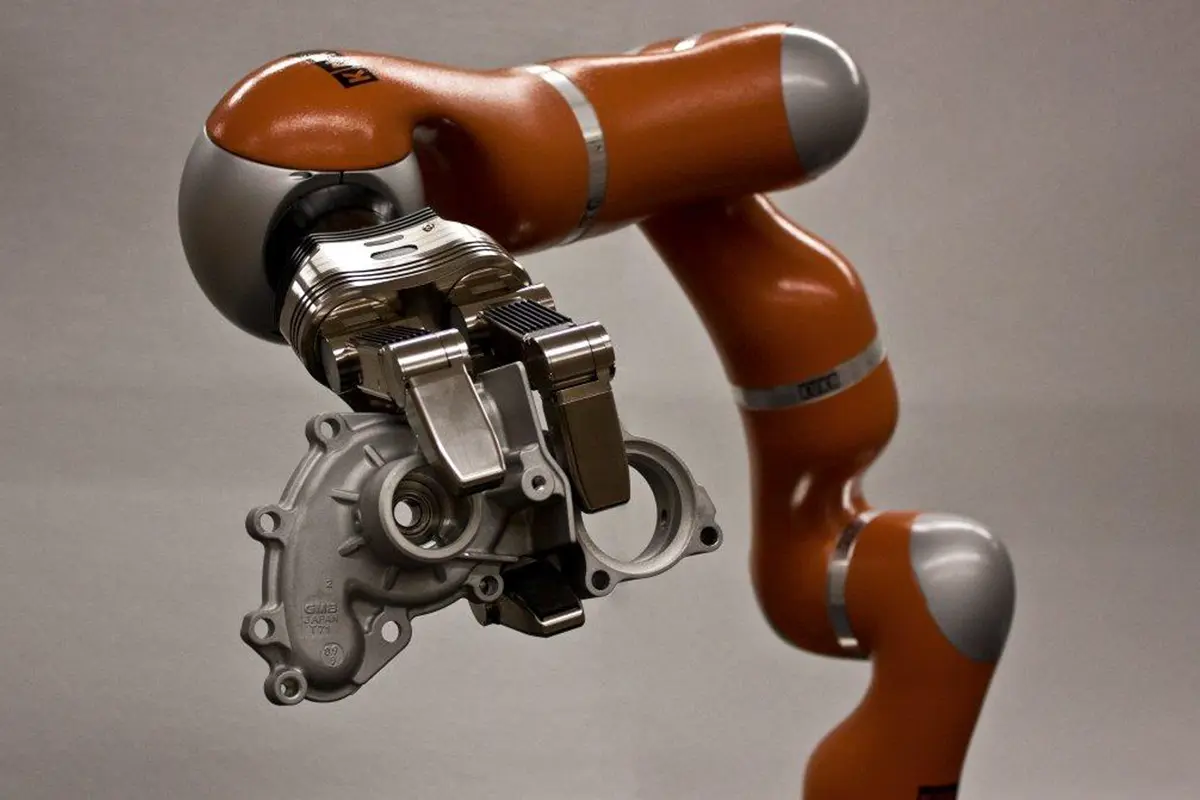
Brings moving parts, electronics, and computer programming together to make machines that sense, move, and respond.
Picture this: An automatic door senses someone approaching. Its controller tells a motor to open the door. The sensor, code, and mechanism work as one system.
Electronics
Uses circuits and components, such as sensors, LEDs, and microchips, to detect information, process signals, and control devices.
Picture this: A night-light senses that a room is getting dark, and its circuit switches on an LED.
Engineering
Uses science, math, and creativity to solve practical problems. Engineers plan, build, test, and improve designs while working within limits such as cost, time, and materials.
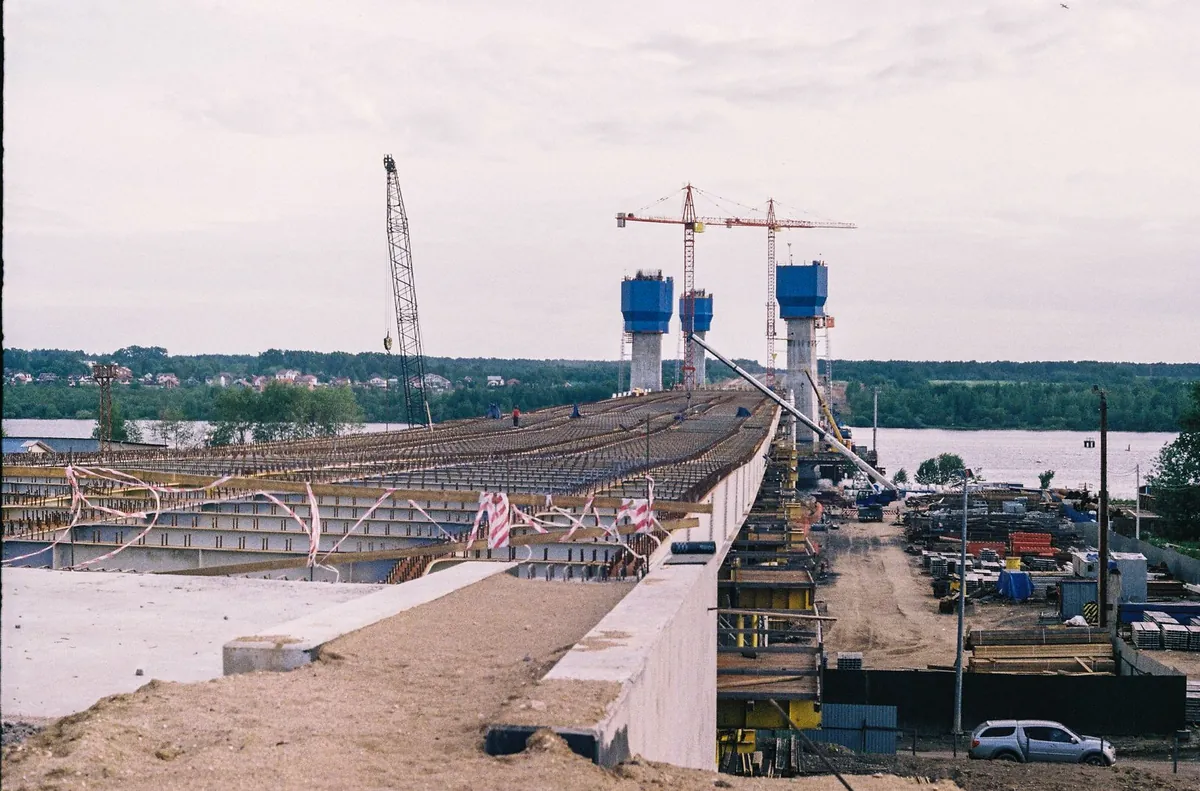
Picture this: Build a model bridge, test how much weight it holds, and change the design to make it stronger without adding more material.
STEM
Stands for Science, Technology, Engineering, and Mathematics. These subjects work together to help us understand how things work and create new solutions.
Picture this: Explore how temperature changes (science), use a sensor (technology), design an automatic fan (engineering), and measure when it turns on (math).
STEM: What is it and why is it important?A quick introduction to how science, technology, engineering, and math connect to the world around us.
7.4%
Projected STEM job growthFrom 2025–2035, compared with 3.2% for non-STEM occupations.
$106,360
Median annual STEM wageMore than twice the 2025 median for non-STEM occupations.
Start early, choose later
Why an early STEM foundation helps
Hands-on experience helps young people discover what they enjoy and build the confidence and preparation to pursue it.
01
Keeps options open
Math, science, coding, and design fundamentals transfer to engineering, computing, healthcare, energy, manufacturing, and many other fields.
02
Builds useful habits
Students practice breaking down problems, testing ideas, explaining decisions, working in teams, and learning from results that do not go as planned.
03
Turns interest into evidence
Completed projects give students a portfolio of real work for advanced classes, clubs, internships, scholarships, and future college applications.
04
Makes hard classes feel possible
Early success with circuits, machines, CAD, and programming helps students see technical subjects as learnable skills, not barriers meant for someone else.
Explore STEM careers
From classroom to career
What new STEM graduates can earn
Actual national average starting base salaries for Class of 2025 bachelor’s degree graduates:
Computer & Information Sciences$91,517
Average starting salary
Math & Statistics$82,231
Average starting salary
Engineering$81,518
Average starting salary
More than one destination
Industries built with STEM
Students can take STEM skills into many fields. These examples show the kinds of problems they might help solve and organizations working in each field.
01 / Flight
Aerospace & space
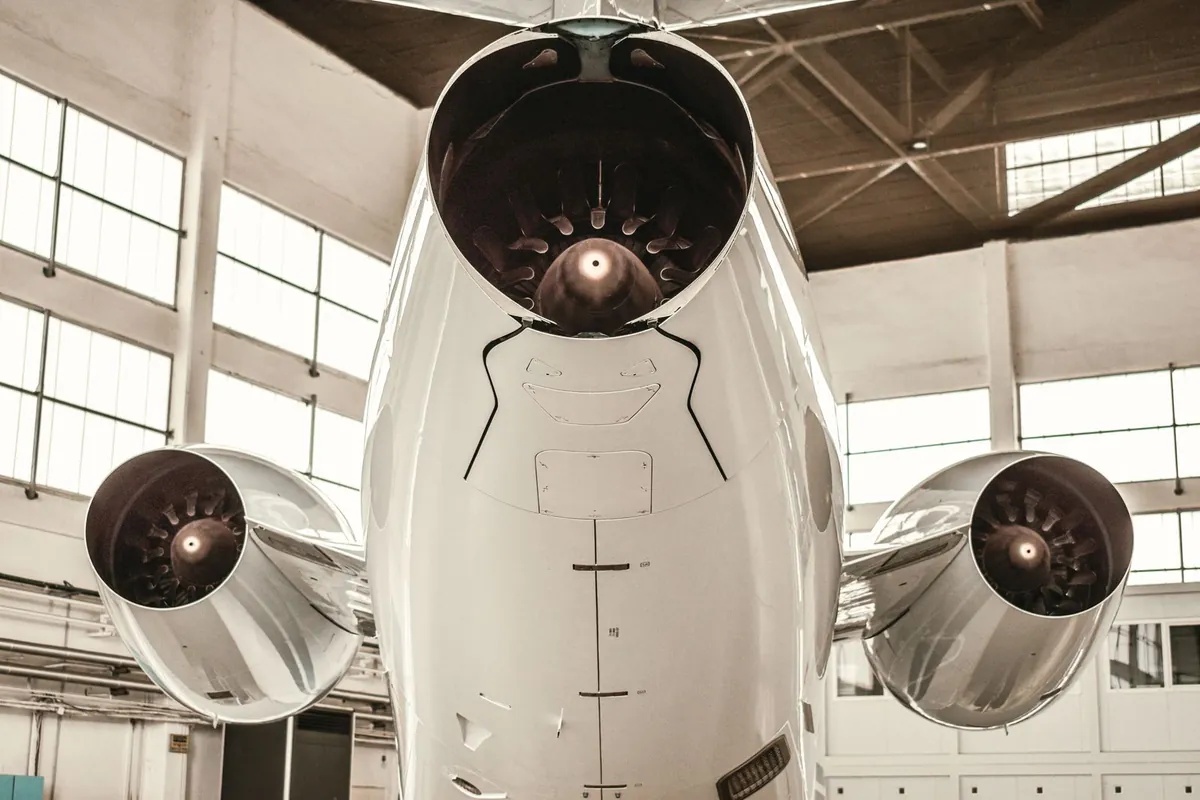
Design aircraft, satellites, sensors, and the systems that support them.
A STEM degree is not a single job title. Each path can lead to work across several industries, and students often combine fields as their interests grow.
Circuits + energy$120,630
Electrical Engineer
Studies electricity, electronics, signals, controls, and power.
Students can work on: power grids, semiconductors, communications, sensors, medical devices, and aerospace electronics.
Understanding the numbers: Starting salaries above are averages for recent bachelor’s degree graduates. Degree-card figures are May 2025 U.S. median wages for the linked occupations and include workers at all experience levels; they are not starting salaries or guarantees. Pay varies by degree, role, location, employer, and experience. Sources: U.S. Bureau of Labor Statistics and National Association of Colleges and Employers.
AACC🎓🦅College pathway
Beyond grade 12
A local next step for curious builders.
Anne Arundel Community College offers hands-on technology programs and engineering transfer options. Engineered Fun can help students build the habits and foundation they will use when they take that next step.
A.A.S. degree or certificate
Mechatronics Engineering Technology
Combines electrical systems, mechanics, computer software, robotics, and automation.
Preparation and program details
Students prepare forHands-on work with industrial equipment, controls, robotics, maintenance, and integrated systems.
Replicates the foundational first two years of an engineering program through math, physics, chemistry, and engineering courses.
Preparation and program details
Students prepare forTransfer to a four-year engineering program and continued study in fields such as electrical, mechanical, civil, aerospace, or computer engineering.
How Engineered Fun helpsStudents practice engineering design, CAD and 3D printing, circuits, microcontrollers, sensors, motors, DMM measurements, documentation, teamwork, and troubleshooting before they reach college labs.
Program names, course plans, admissions requirements, and transfer agreements can change. Students should confirm current details with AACC and their intended transfer school. “AACC” and “Riverhawk” are used here as text references to the college pathway; this original badge and generic bird icon are not official AACC or Riverhawk artwork, logos, or endorsements.
Engineered Fun gear
Wear the curiosity. Make it yours.
T-shirts, hoodies, and stickers are available now for students, families, and supporters. Ask about availability, or get updates as more Engineered Fun gear becomes available.
Available now
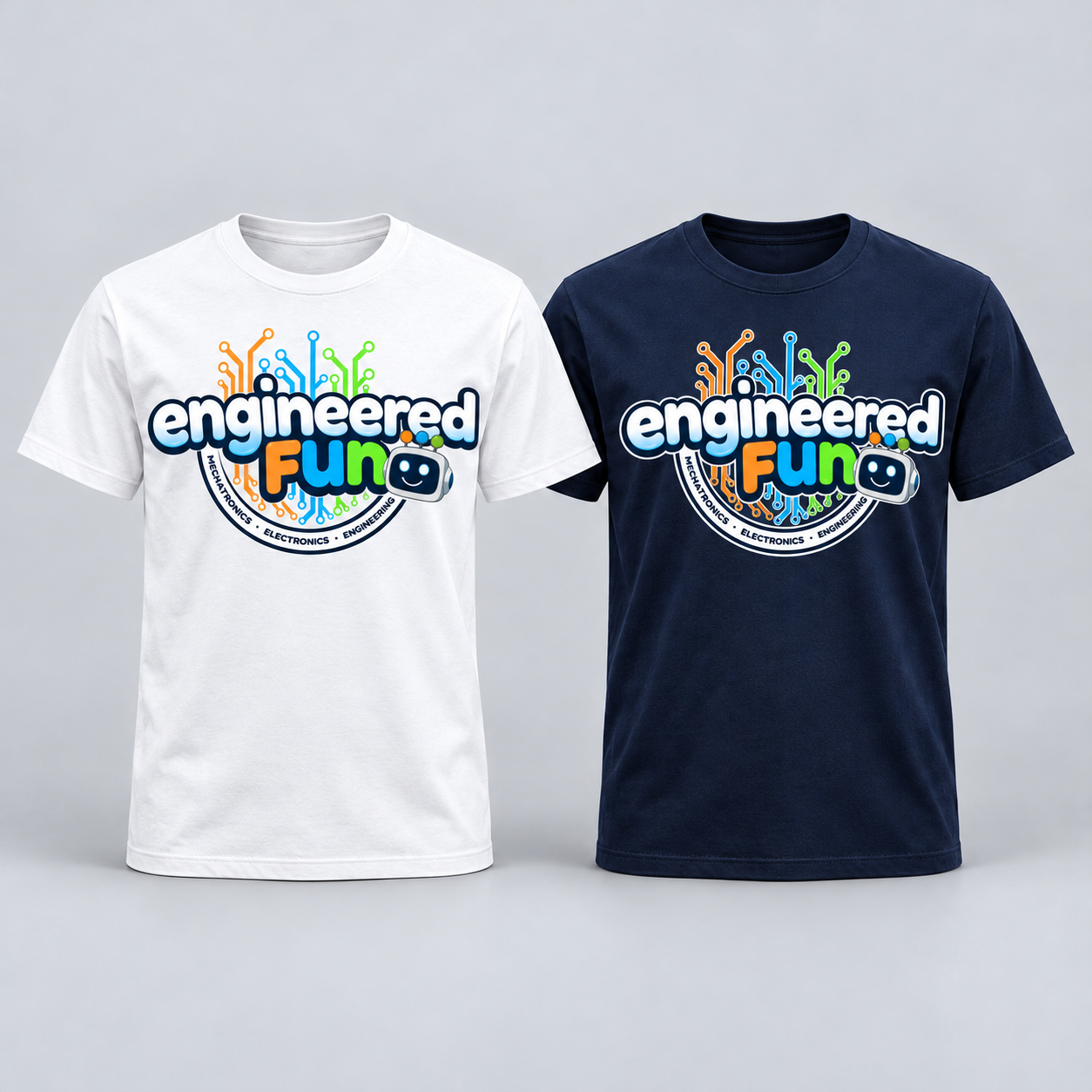
T-shirts
Playful designs built around engineering, robotics, and the Engineered Fun identity.
Available now
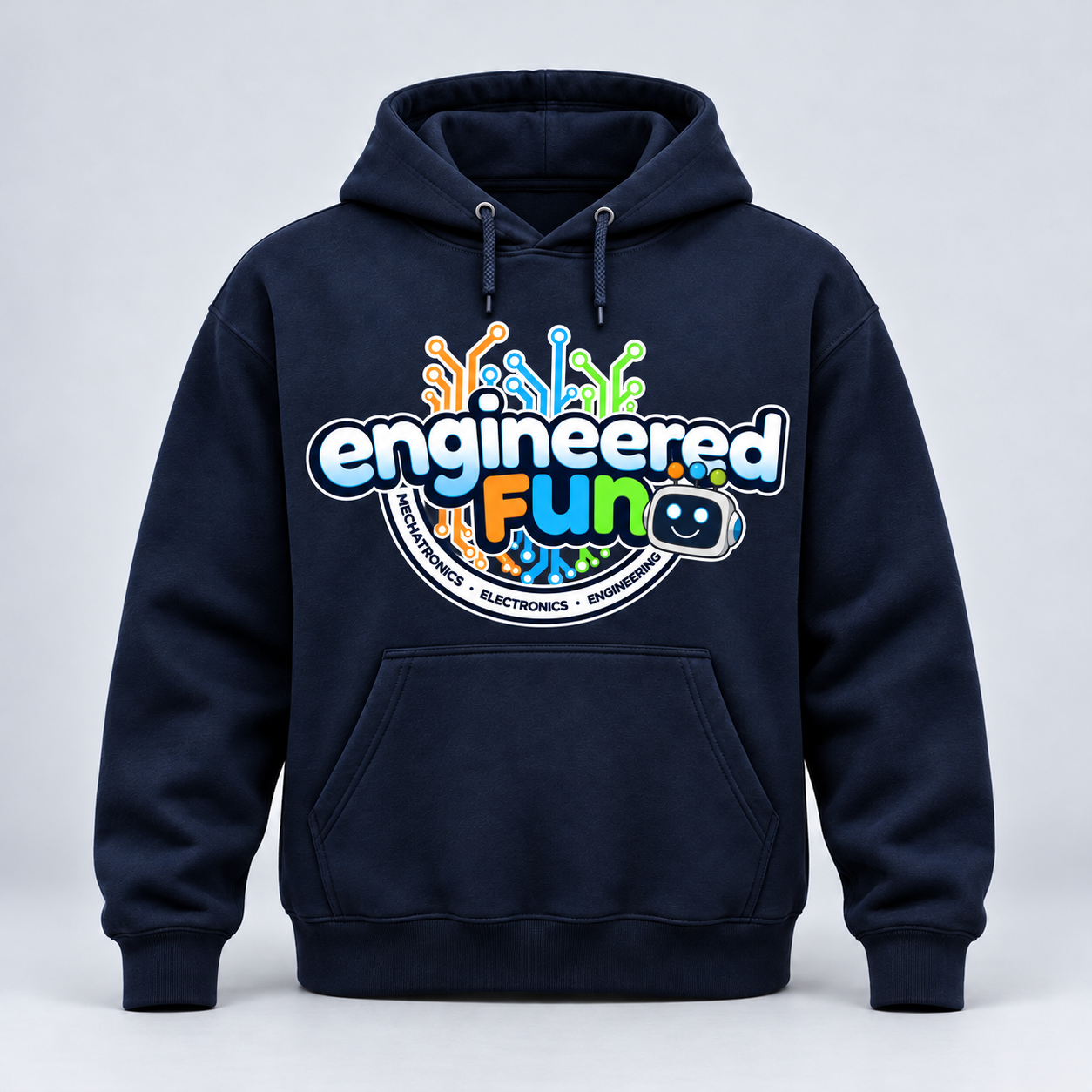
Hoodies
Comfortable gear for classes, workshops, camps, and cold build days.
Available now
Stickers
Die-cut logo stickers for laptops, notebooks, water bottles, and build journals.
Explore upcoming merchandise
Coming soon
Hats
A simple way for students and supporters to show their engineering pride.
Coming soon
Cups & tumblers
Stay fueled while you build, test, and improve your next idea.
Coming soon
Lanyards & more
Simple accessories and future surprises for the Engineered Fun community.
Coming soon
Pens
Capture your next big idea in class or at the workbench.
Coming soon
Enamel pins
A small keepsake for backpacks, jackets, and every project milestone.
Interested in Engineered Fun gear?Ask about T-shirts, hoodies, and stickers, or request updates on upcoming items.
We’re building a local place for curious students to learn by making things. Here’s how you can stay connected as Engineered Fun grows.
For families
Build with us.
Interested in a six-week Weekend Workshop for a student in grades 5–12? Tell us their grade and what they like to make. Dates are still being planned; we’ll share registration details when they’re ready.
We hope to bring in part-time instructors as programs expand. If you enjoy teaching young people and have experience with engineering, electronics, robotics, CAD, or related projects, introduce yourself. Planned starting pay is $23–$28 per hour, including paid preparation, setup, teaching, cleanup, and required training. No instructor positions are open yet.
Find the current details about Engineered Fun workshops, projects, and what to expect. Open a category, then choose a question to read its answer.
About Engineered Fun
What is Engineered Fun?
Engineered Fun offers hands-on STEM learning that helps students explore engineering, mechatronics, electronics, robotics, and coding by making and testing real projects.
Who teaches the workshops?
The initial workshops will be taught by Tam Pham, whose background includes systems engineering, electronics, and mechatronics. As Engineered Fun grows, carefully selected engineering college students will also teach part-time. They’ll be chosen for their subject knowledge and enthusiasm for teaching.
Programs & schedule
When will workshops begin?
Engineered Fun is working toward a possible 2027 start. Specific dates have not been set yet. Send a request through the form below to hear when dates and registration details are available.
How long is a workshop series?
The planned series runs for six weeks, with one two-hour session each week. That gives students 12 hours of hands-on project time.
What happens during a session?
Students will work through hands-on, project-based activities: explore an idea, build something, test how it works, and improve it. The exact activities will depend on the project and group.
Will there be after-school classes, camps, or school programs?
After-School Classes are planned as a three-week series with two weekday sessions each week, 12 hours total. Summer Camps are planned as a one-week day camp, 15 hours total. School Partnerships offer two- or four-week formats at the partner school, 16 hours total. Dates and registration details are still being planned.
Can I request STEM subject tutoring?
Yes. Families can request individual or small-group support in math, science, coding, and engineering fundamentals for students in grades 5–12. Tell us the subject, grade level, and learning goal through the inquiry form so we can discuss a format and schedule.
Is a free introductory session available?
Engineered Fun is planning a free two-hour session for parents and children to try hands-on engineering together. Dates and availability have not been announced. Use the form below to ask for updates.
Students & projects
What ages are the workshops for?
Workshops are designed for students in grades 5–12. Students will be grouped with peers of similar ages and skill sets so activities can meet them at a comfortable level.
Does my child need prior engineering or coding experience?
No advanced experience is needed for students to get started. Activities are designed to make engineering approachable, and projects can be adapted to students’ interests and experience.
What will students build?
Students may build practical circuits with Snap Circuits Pro, assemble and code an ELEGOO robot, or explore Arduino and other engineering projects. The project selection will depend on the program and what students want to learn.
Do projects build on each other from week to week?
Yes. The series is project-based, with each week building on ideas and skills from earlier sessions. Students get time to plan, make, test, and improve their work.
What skills will students practice?
Along with engineering concepts, students practice problem-solving, creativity, communication, teamwork, and persistence as they design, build, test, and refine their projects.
Will engineering be too hard or math-heavy?
Engineering should feel inviting, not intimidating. Big ideas are explained through everyday analogies and hands-on activities, with minimal math. Some projects may use little or no math. Students learn how things work by trying them out.
Can students choose what they want to learn?
Student interests help guide project choices. Tell us what your child is curious about, whether that’s circuits, robots, coding, or mechanisms. Engineered Fun can use that information when planning activities.
Will students have homework between sessions?
No homework is assigned. Students are encouraged to explore topics that interest them on their own time and bring any questions they come up with to the next class.
Will students learn about using AI responsibly?
Yes. Responsible and ethical AI use is part of the learning approach. Students will be encouraged to question AI-generated information, protect personal information, and use their own judgment when working with AI tools.
Can students talk with engineers and other professionals?
Career conversations are arranged on request. Students can suggest professionals they would like to meet and vote on who interests them most. In-person visits are preferred, and virtual conversations are also an option. Scheduling depends on guest availability.
Can students invite friends and work on projects together?
Yes. Students are encouraged to invite friends who share their interest in STEM and ask to join group projects together. Tell us in the inquiry form, and we’ll take requests into account while grouping students by similar ages, skill sets, and project fit.
Cost & locations
How much does the six-week series cost?
The introductory price for the first six-week series is $249 per student. The regular price for later series is $279 per student. Both cover six two-hour sessions and all classroom materials, with no additional costs. Registration and payment details will be shared when dates are announced.
Are payment plans, scholarships, or discounts available?
A payment plan is available. Scholarships and discounts are planned for the future as Engineered Fun grows.
Are there any additional costs?
The listed price is the total cost for the six-week workshop series. There are no extra costs.
Where will workshops take place?
Depending on the program and arrangements, sessions may be held at a local library, the instructor’s home, or a student’s home. The specific location will be confirmed before registration.
Family & attendance
What should students bring? Will they need a computer?
Students must bring their own laptop with Windows OS installed. Computers are not provided. Any other project-specific items will be shared with families in advance.
Do parents or caregivers need to stay during a workshop?
Staying is optional, and parents or caregivers are welcome to stay if they’d like. We especially encourage them to stay for the first class.
How will safety be handled?
Families will receive venue, supervision, and project-specific safety information before registration. Students will get instructions relevant to the tools and materials used in their activities.
How many students will be in each group?
Group size depends on the project, with no more than six students in a group. Students are grouped with peers of similar ages and skill sets.
What if my child misses a session?
Please contact Engineered Fun as soon as possible if your child will miss a session. Making up the session is encouraged; reach out promptly so we can coordinate.
What is the cancellation or refund policy?
Provide at least 72 hours’ notice to receive a full refund.
Can students with different learning needs participate?
Please share your child’s interests and any learning or accessibility needs through the inquiry form. Engineered Fun can discuss the planned activity and venue with you as workshop details are finalized.
Schools & next steps
Can Engineered Fun work with a school, library, or community group?
Programs can be shaped for schools, libraries, camps, and community groups. School partnerships take place after school at the partner school. Use the inquiry form to share your group’s age range, interests, size, and preferred location.
How can I get updates or ask about a program?
Use the inquiry form below to request workshop updates or ask a question. Since dates are not set yet, the form is the best way to share your child’s grade, interests, and preferred program.
Start here
What will they engineer next?
Tell us what sparks their interest, such as design, machines, or circuits. Ask about workshop plans, STEM subject tutoring, a program for your group, or future instructor opportunities.
Serving Anne Arundel County, Maryland and nearby areas. Tell us your preferred location when you reach out.
Designed for grades 5–12Beginner-friendly • Project-based • Team-centered